Editor’s Note
In the third quarter of 2025, 2Firsts interviewed U.S.-based vape brand Glas, focusing on the application of its age-verification technology and regulatory pathway, and completed this report. At the time, Glas was widely viewed within the industry as one of the most likely candidates to become among the first to receive a Marketing Granted Order (MGO) under the FDA’s PMTA framework for a flavored ENDS product incorporating age-gating technology. The article was originally scheduled for publication upon the issuance of an FDA Marketing Granted Order (MGO).
In September 2025, the FDA launched a pilot program aimed at improving the efficiency of PMTA reviews for nicotine pouch products, which was widely interpreted as a signal of accelerated approval pathways for compliant products. On December 9, 2025, the FDA granted MGOs to six on! Plus nicotine pouch products.
On December 21, a document circulated on social media indicating that six Glas ENDS products (one device and five pods) had received MGOs. However, the information was not formally published on the FDA’s website. Based on 2Firsts’ investigation and multi-source verification, the document appeared highly credible and was reportedly withdrawn shortly after publication for reasons that remain unclear. The incident further reinforced market expectations that Glas could become one of the first companies to obtain authorization for an age-gated flavored ENDS product.
On February 10, 2026, the FDA convened a roundtable discussion with small ENDS manufactures to address challenges in the PMTA process and explore potential support measures. A representative from Glas attended and spoke at the event.
As of March 2026, 2Firsts assesses that the FDA will continue to more substantively advance the application of age-verification technologies and the compliance pathway for ENDS products. Against this backdrop, we are publishing the full interview to provide the industry with a deeper understanding of the potential impact of age-gating technologies on product design, market structure, and regulatory development.
Key Points
- FDA Authorization Signal: FDA’s recent authorization of menthol Juul products has renewed expectations that a flavored ENDS product could be approved next.
- Age-Gated Technology: Glas developed G2, a flavored ENDS submitted through the PMTA pathway, featuring smartphone-based age verification, proximity restrictions and anti-counterfeit protections.
- Harm Reduction Evidence:Company-backed switching data show heavy smokers using flavored pods experienced greater reductions in cigarette dependence and exhaled carbon monoxide levels.
- Manufacturing Readiness: If authorized, Glas says it can scale rapidly, with automated U.S. manufacturing capacity capable of supplying 30,000–50,000 stores.
2Firsts, March 1, 2026
The U.S. Food and Drug Administration’s authorization of five Juul products in July 2025 has been heralded by some as a potential turning point for the American e-cigarette market. Not only did the agency’s order reverse the former market leader’s fortunes following earlier FDA denials for Juul Labs products, but it also reiterated the FDA’s willingness to permit menthol-flavored electronic nicotine delivery systems (ENDS) following the first marketing granted orders for non-tobacco flavored e-cigarette products (made by NJOY) in June 2024.
The latest developments, along with the business-friendly attitude of the new administration in Washinton DC, have raised hopes in some quarters that more product authorizations may be forthcoming, including for flavored ENDS. As of mid-August, the FDA had authorized only a handful of ENDS out of millions of applications. None of the products allowed for sale contain flavors, which tobacco harm reduction advocates consider key in helping smokers transition from deadly combustible cigarettes to less-risky ENDS.
Serving Adults While Protecting Youth
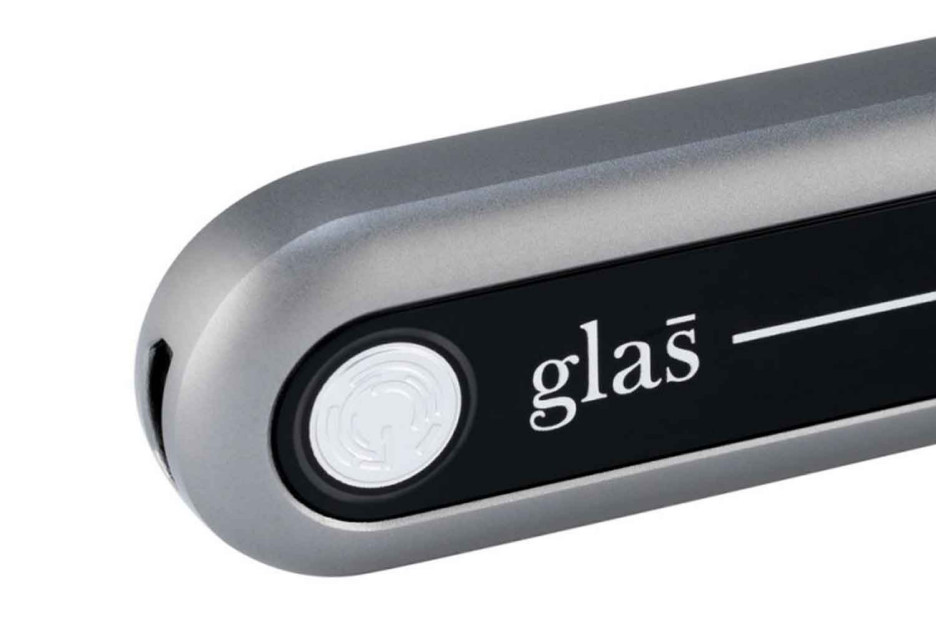
One company that has taken heart from the recent authorizations is Glas Inc. of Los Angeles. The firm has developed G2, an age-gated, flavored vape, which it claims can effectively move adult smokers down the continuum of risk while discouraging youth access and use through technology. Having filed its premarket tobacco product application in July 2021, the company believes G2 is next in line for a marketing granted order. Glas founder and CEO Sean Greenbaum says he expects marketing authorization “within the next months.”

Greenbaum bases his confidence not only on the timeline but also on feedback Glas received from the regulator. Early in the process, the FDA designated G2 a “product with merit”—a recognition that it brought meaningful innovation to the category, according to Greenbaum. “That designation was later made public in an FDA Office of Science memorandum, and it’s why our application was elevated to the very top of the review queue,” he says.
Age-Gating and Anti-Counterfeit Protections
Technology is a differentiator, according to Glass. “We pioneered advanced age-gating and anti-counterfeit protections years before anyone else,” Greenbaum says. “Now we’re seeing other major brands—BAT, NJOY, and Juul—begin submitting similar age-gated products, but those efforts came two to three years after ours. Once on the market, we believe G²’s proprietary systems will still be unmatched, giving us a clear competitive advantage in both regulatory review and consumer trust.”
Glas devices connect to a smartphone that requires ID age verification and restricts use to within close proximity of the age-verified registered user’s phone for a limited duration. Meanwhile, micro-chip authentication safeguards against counterfeit pods.
“Out of the box, the device is inactive,” explains Greenbaum. “The user downloads a mobile app or accesses a web mobile application and creates an account.” Next, the user uploads the front and back of their driver’s license and takes a three-dimensional selfie through their mobile phone’s camera. The system uses that information to verify the user’s age and identity, and issues an encrypted ID. The vaping device can then be used as long as it remains within proximity of the authorized mobile phone.
While the process sounds cumbersome, Greenbaum says it takes less than two minutes. “Our age-verification technology is critical to keeping our products out of the hands of minors—but we also know that if it’s too slow or frustrating, adult smokers might never switch or may turn to the illicit alternatives that have flooded the market,” he says. “That’s why we’ve focused on building a product that’s safe, secure and easy to use for adults.” In trials, neither underage users nor third-party cybersecurity experts were able to bypass the age-verification process and counterfeit pod protections, according to Glas.
G2’s potential contribution to tobacco harm reduction too is a powerful argument for authorization, says Greenbaum. “In our 2025 switching study, all groups saw reductions in cigarette dependence and average exhaled carbon monoxide (ECO) levels, but heavy smokers using Glas menthol or flavored pods benefited the most,” he says. “They showed more consistent, month-over-month declines in ECO levels and sustained reductions in dependence compared to other groups.”
A Legal Alternative
If the FDA authorizes a flavored ENDS, it will present a major shift for the U.S. vape market indeed. In 2020, the U.S. banned all flavored cartridge-based vapes to reduce e-cigarettes’ underage appeal, allowing only tobacco and menthol flavored products. Soon, the market was flooded with unauthorized disposable flavored vapes, many imported from China.
The availability of an FDA-authorized flavored product would not only give vapers a legal alternative, but it would also signal to companies that flavored products can be authorized when they’re paired with strong science and youth protections, according to Greenbaum.
“Since 2021, the FDA has received over 27 million PMTA applications, rejected or refused to accept the vast majority, and left many others in limbo,” he says. “Meanwhile, rule-breakers keep selling and profiting, undercutting compliance and putting public health at risk.” According to Greenbaum, authorizing a flavored product wouldn’t just give adult smokers a regulated, lower-risk alternative, but it would also help the FDA clear the market of bad actors, protect kids and reward companies that follow the rules instead of those that break them.
Moving Quickly
Should FDA authorization come through, Glas is prepared to move quickly. Since its founding in 2018, the firm has raised “well over eight figures” in equity capital, backed by a diverse group of investors led by two global family offices, Greenbaum says.
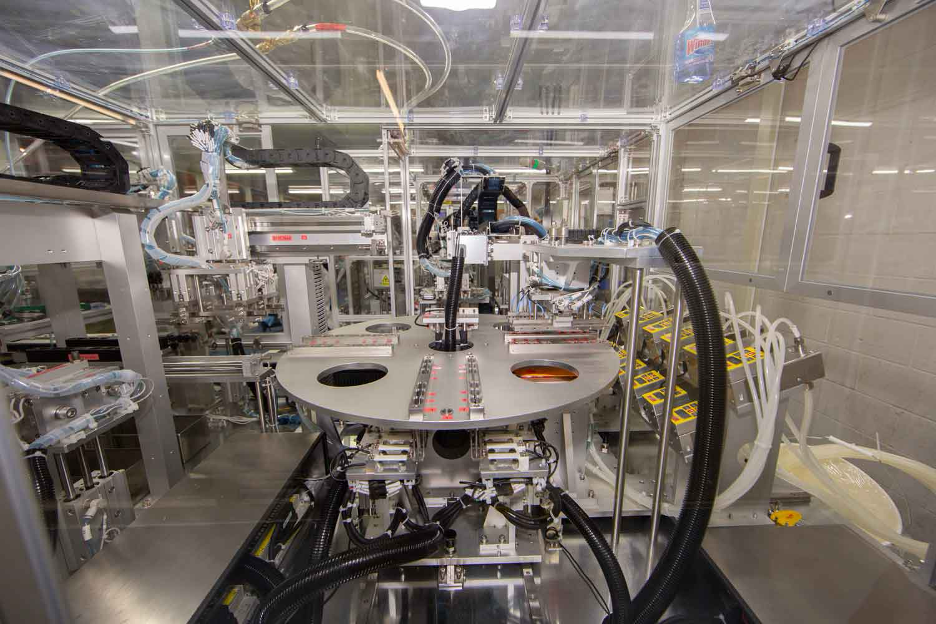
According to him, the company’s FDA-inspected, GMP and ISO8-certified manufacturing facility features a fully automated filling and packing line and can scale rapidly. “Glas can service 30,000-50,000 stores from existing capacity and expand with three to five months lead time for new line production and activation,” he says.
While Greenbaum won’t divulge whether Glas would be open to strategic acquisition, post-PTMA, he is clearly ready to get into the action. “Our focus right now is squarely on getting our tech-enabled products to market and scaling quickly,” Greenbaum says.
“Glas has built a reputation as a premium brand and a true innovator, but regulatory delays have kept us on the sidelines. With FDA authorization in hand, we’re ready to step onto the field and deliver U.S.-made, compliant products to a market that’s desperate for regulated options.”

Cover image:Located in Inglewood, California, Glas’ automated pod filling line fills each pod with U.S.-manufactured e-liquids and encrypts it with a unique certificate. | Photo courtesy of Glas Inc.
Related articles: