Anvisa Plans Visit to BAT and AstraZeneca Facilities

Jan.17.2025
Anvisa Plans Visit to BAT and AstraZeneca Facilities
Anvisa to inspect BAT and AstraZeneca facilities amid e-cigarette debate, without disclosing exact agenda or visit schedule.

According to a report from Jota on January 15th, the Brazilian National Health Surveillance Agency (Anvisa) plans to allocate approximately 70,000 reais (about $10,000) to dispatch two directors and two staff members to visit the production facilities of British American Tobacco (BAT) and pharmaceutical company AstraZeneca next week. The visits are expected to take place between January 28th and 31st. The mission was approved last week, but specific objectives have not yet been determined, and the visit times for each facility have not been disclosed.


The visit took place at a time when the pressure was mounting for the introduction of e-cigarettes in the country. This issue is currently being discussed in Congress and has previously been debated within Anvisa. In April 2024, the board of Anvisa decided to maintain the ban on e-cigarettes based on the principle of prevention. They believed that these devices should only be produced and sold if safety evidence is provided, but as of now, there is no research to support this.


The task has raised concerns among internal Anvisa employees, who state that there are currently no discussions related to tobacco taking place. JOTA interviewed Anvisa's board members, who stated that this type of visit is a routine practice and does not require a specific reason. Even if there are no specific discussions or regulatory agenda items, inspections of regulated industry production sites will still take place. In response to inquiries from the public, Anvisa did not provide specific details about the itinerary of the visit, only stating in a release that there are no plans to reintroduce e-cigarette-related topics to Anvisa's regulatory agenda at this time.


We welcome news tips, article submissions, interview requests, or comments on this piece.

Please contact us at info@2firsts.com, or reach out to Alan Zhao, CEO of 2Firsts, on LinkedIn


Notice

1.  This article is intended solely for professional research purposes related to industry, technology, and policy. Any references to brands or products are made purely for objective description and do not constitute any form of endorsement, recommendation, or promotion by 2Firsts.

2.  The use of nicotine-containing products — including, but not limited to, cigarettes, e-cigarettes, nicotine pouchand heated tobacco products — carries significant health risks. Users are responsible for complying with all applicable laws and regulations in their respective jurisdictions.

3.  This article is not intended to serve as the basis for any investment decisions or financial advice. 2Firsts assumes no direct or indirect liability for any inaccuracies or errors in the content.

4.  Access to this article is strictly prohibited for individuals below the legal age in their jurisdiction.


Copyright


This article is either an original work created by 2Firsts or a reproduction from third-party sources with proper attribution. All copyrights and usage rights belong to 2Firsts or the original content provider. Unauthorized reproduction, distribution, or any other form of unauthorized use by any individual or organization is strictly prohibited. Violators will be held legally accountable.

For copyright-related inquiries, please contact: info@2firsts.com


AI Assistance Disclaimer


This article may have been enhanced using AI tools to improve translation and editorial efficiency. However, due to technical limitations, inaccuracies may occur. Readers are encouraged to refer to the cited sources for the most accurate information.

We welcome any corrections or feedback. Please contact us at: info@2firsts.com

2Firsts Hosts China Market Forum at InterTabac as Global Industry Attention to China’s Tobacco Sector Deepens
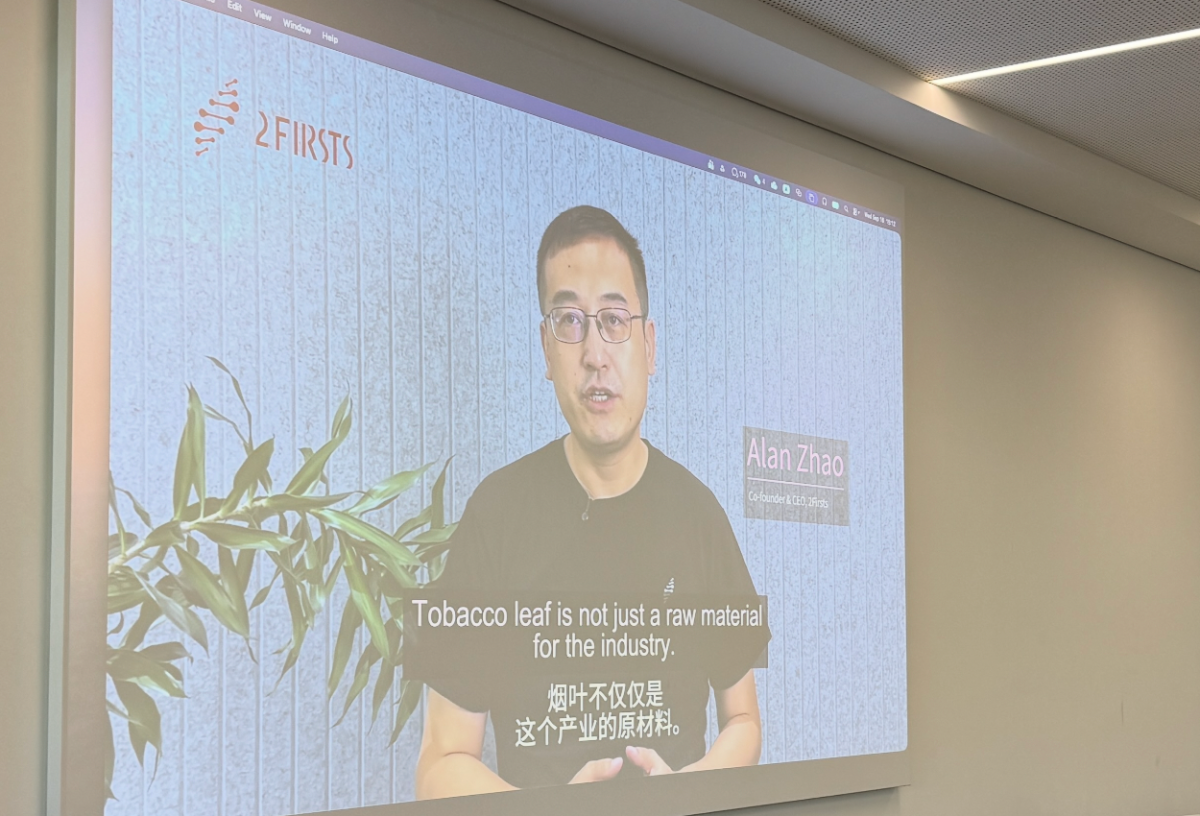
On September 16, 2Firsts hosted a China-focused industry forum during InterTabac in Dortmund, bringing together more than 30 participants from North America, Europe, India, South Korea and other markets. The session covered traditional tobacco, next-generation products, exports, technology, regulation and supply chains, while examining how China’s tobacco sector operates, where its transformation may be heading, and why its growing role matters increasingly to companies across the global tobacco and nicotine industry.
Sep.21
EU Tobacco Tax Reform Targets November Push as Sweden Holds Nicotine-Pouch Minimum at €20 per Kilogram
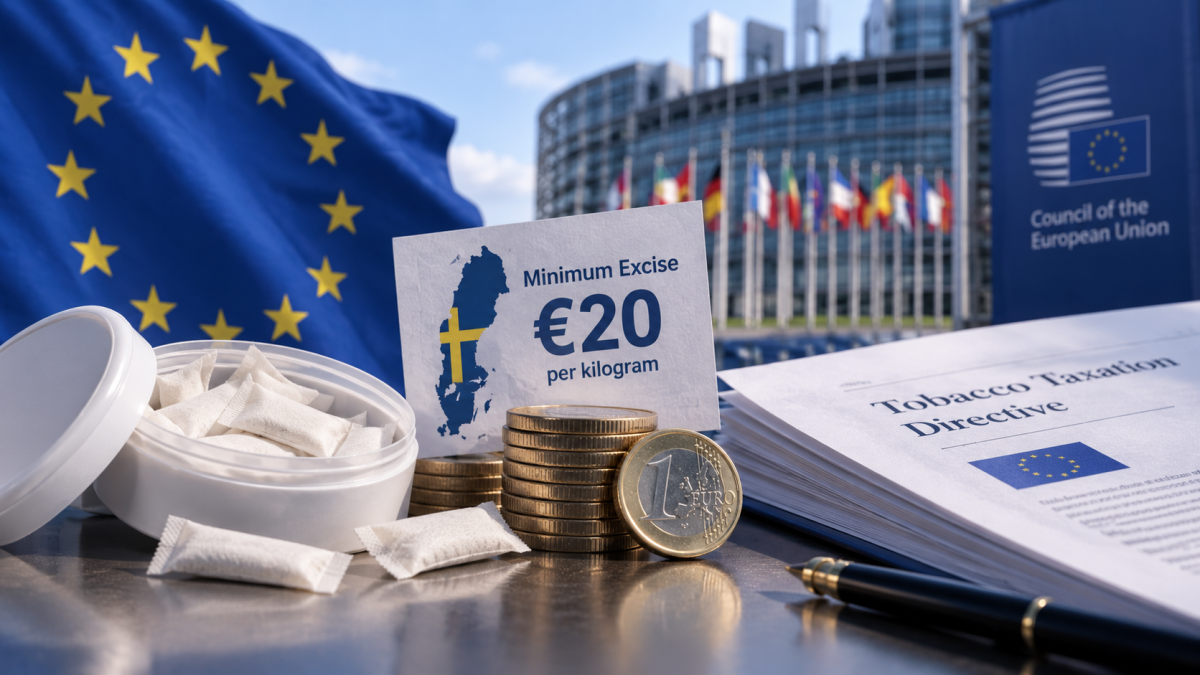
The Irish presidency of the Council of the European Union is using bilateral talks to push the bloc’s Tobacco Taxation Directive toward a political agreement in November. According to Law360, citing an EU official, Sweden is unwilling to accept a minimum excise threshold above €20 per kilogram for nicotine pouches. Council negotiations have already lowered the European Commission’s original proposal, but a May 2026 presidency compromise still set the minimum at 10% of the tax-inclusive retail price or €30 per kilogram in 2028-29, with higher levels later.
Market
Sep.17 by 2Firsts Perspectives
South Korea Vape Strategies Diverge as BAT Reconsiders Exit and PMI Takes VEEV to About 14,000 Stores
BAT Rothmans says it previously considered exiting South Korea's vaping market because of competitive pressure from unregulated products, but is now reassessing conditions following changes to the country's nicotine regulatory framework. Vuse and other BAT vaping products remain available through existing distribution channels. The statement followed a South Korean media report that interpreted BAT's broader withdrawal from selected Vapour markets as a full exit from South Korea. Meanwhile, Philip Morris International launched VEEV inPRIME in the country in June and began expanding distribution to around 14,000 convenience stores and other retail channels in July. The contrasting moves highlight differing investment strategies as South Korea's regulated vaping market evolves.
Aug.14
JAMA Issues First U.S. Clinical Guidance on Vaping for Smoking Cessation, Urging Complete Switch From Cigarettes
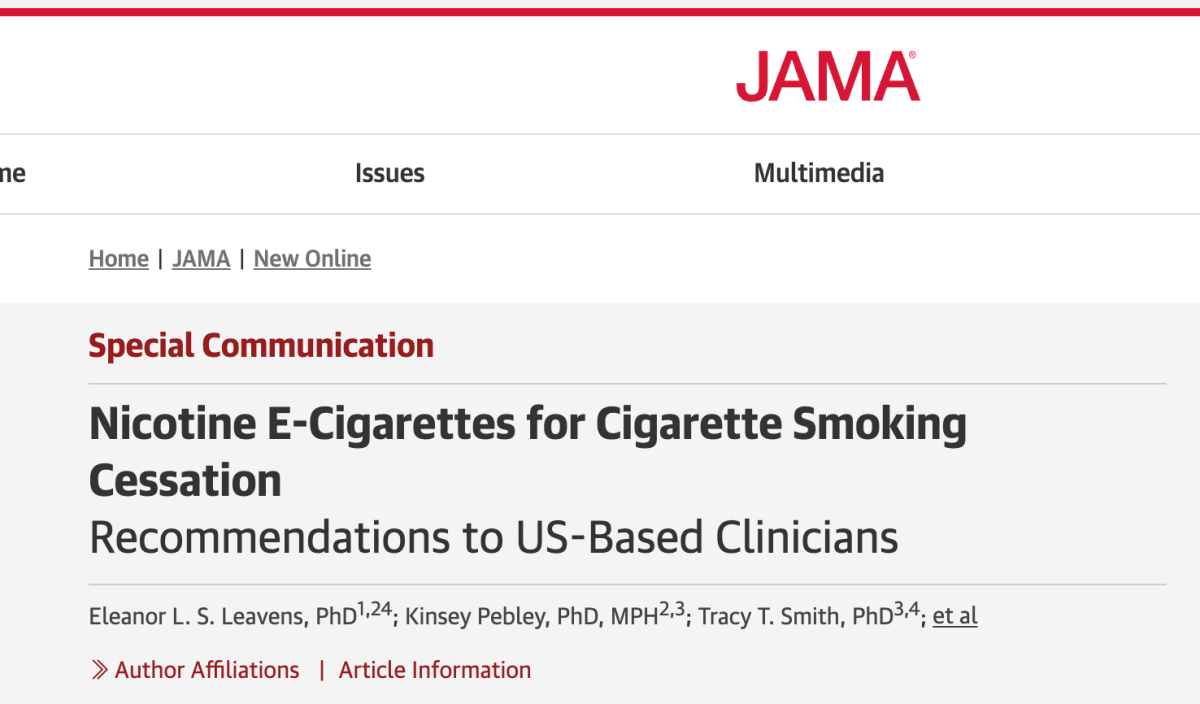
JAMA has published a Special Communication offering systematic recommendations for U.S.-based clinicians on the use of nicotine e-cigarettes in adult smoking cessation. Developed by the Harm Reduction Workgroup of the Society for Research on Nicotine and Tobacco’s Treatment Research Network, the paper recommends including e-cigarettes alongside FDA-approved cessation medications in risk-benefit discussions. It cites high-certainty evidence that nicotine e-cigarettes achieve higher quit rates than nicotine replacement therapy and evidence suggesting efficacy comparable to highly effective medications such as varenicline and cytisine. For adults who choose vaping to quit, the authors recommend FDA-authorized products, sufficient nicotine delivery and a rapid, complete transition away from cigarettes rather than prolonged dual use.
Aug.13
Smoke-Free Business Hits 42% of Q2 Net Revenue as PMI’s First TNFD Report Covers Single-Use Electronics, Critical Raw Materials and IQOS Repairs
Philip Morris International has published its first report aligned with the Taskforce on Nature-related Financial Disclosures, bringing its electronics supply chain and the use and end-of-life stages of smoke-free devices and consumables into its nature-related assessment. PMI said its smoke-free business accounted for about 42% of total net revenues in the second quarter of 2026. The report says non-circular electronic products, particularly single-use items, can increase consumption of limited natural resources and also details an IQOS repair pilot. A 2040 circularity scenario tests assumptions including a 50% reduction in product waste-related costs, 10% raw-material savings and a 25% substitution rate for refurbished products versus new products.
Sep.23
Australian Coalition Taskforce Calls for 80% Tobacco Tax Cut to Combat Illicit Market
According to SGST on August 26, 2026, Australia’s Coalition Illegal Tobacco Taskforce released a report recommending an up to 80% cut in tobacco excise to reduce the appeal of the illicit tobacco market. The report claimed organised crime groups now control about 80% of Australia’s tobacco market and argued that high excise rates have widened the price gap between legal and illegal products. The recommendation remains a policy proposal and has not been adopted by the Australian government, which said its focus remains on enforcement, compliance and additional resources.
Aug.27