Key Takeaways
- Bangladesh is preparing to amend its anti-tobacco ordinance and remove the ban on the production and sale of e-cigarettes.
- The provision banning visible display of tobacco products at points of sale would also be removed.
- The changes reportedly follow recommendations from a parliamentary special committee reviewing 133 ordinances.
- The Health Ministry is drafting the revision and plans to send it to the Legislative and Parliamentary Affairs Division.
- Anti-tobacco advocates said e-cigarette use is rising sharply, especially among youths, and urged the government to keep the ban.
2Firsts, March 31, 2026
Bangladesh is preparing to amend its anti-tobacco ordinance by withdrawing the ban on the production and sale of e-cigarettes, a move that has raised public health concerns.
The government plans to remove both the vape ban and the tobacco display restriction
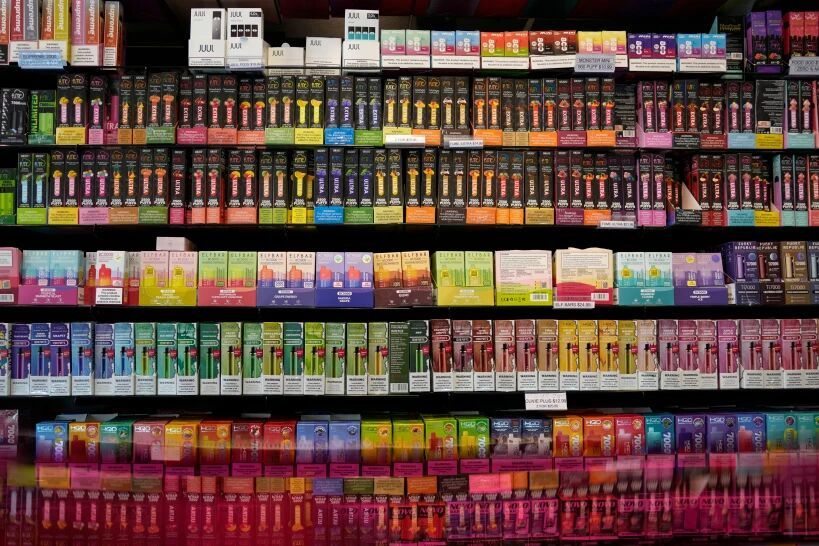
In addition to the e-cigarette provisions, the clause prohibiting the display of tobacco products at points of sale is also set to be removed.
The ordinance was approved by the interim government last year and introduced stricter provisions to the Smoking and Tobacco Products Usage (Control) Act. Sources said the changes are being made following recommendations from a parliamentary special committee that reviewed 133 ordinances issued during the interim government period.
Following those recommendations, the Health Ministry is preparing a revised draft that omits the relevant provisions and will soon send it to the Legislative and Parliamentary Affairs Division.
Anti-tobacco groups say e-cigarette use is rising and want the ban maintained
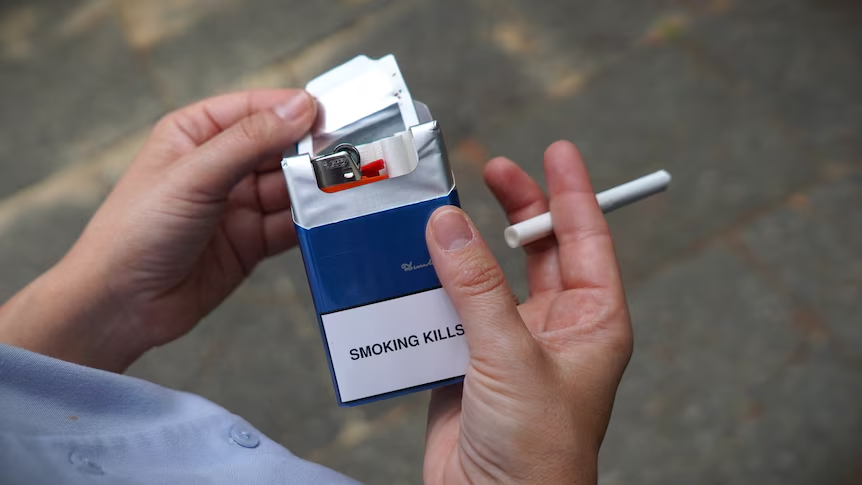
Anti-tobacco campaigners said the government should reconsider the move in order to protect public health, especially the health of youths and teenagers, and described the decision as very unfortunate.
Ataur Rahman, advocacy manager in Bangladesh for Campaign for Tobacco-Free Kids, said recent surveys show that the number of e-cigarette users is increasing sharply, particularly among young people.
He said around 30 countries have banned e-cigarettes to protect youths and argued that Bangladesh should keep the current ban in place.
He also cited a recent survey that found 88% of points of sale display cigarettes at children’s eye level, while 66% place tobacco products next to candy and snacks to attract them. On that basis, he said the ban on displaying tobacco products should not be repealed.
The current ordinance had broadly banned e-cigarette activities and set penalties
Health Secretary Md Quamruzzaman Chowdhury said that five ordinances related to the ministry had been submitted to the parliamentary special committee and that the ministry would comply with whatever recommendations the committee provides.
The report also noted that after growing demands from anti-tobacco groups, the interim government in January last year banned the import of e-cigarettes and other electronic nicotine delivery systems to protect public health. Later, on December 23, the ordinance was approved, expanding the definition of tobacco products and introducing several new provisions to control use, while also banning electronic nicotine delivery systems and emerging tobacco products.
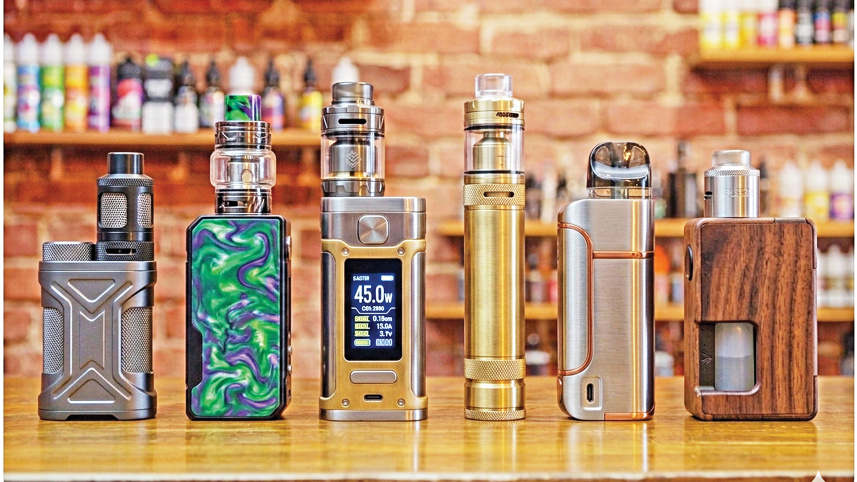
Section 6 (Ga) states that no person may produce, import, export, store, advertise, promote, endorse, market, distribute, buy, sell, or transport electronic nicotine delivery systems, their components or parts, including e-cigarettes, vapes, vaping devices, vaporisers, e-liquids and similar items, as well as heated tobacco products and emerging tobacco products, nor allow anyone else to do so.
Violators may face up to three months’ imprisonment, a fine of up to Tk 200,000 (approximately USD 1,640, based on 1 BDT ≈ 0.0082 USD), or both. Repeat offenders may face progressively doubled penalties. If the offender is a company, the relevant goods may be seized, and the owner, manager or responsible person may face up to six months’ imprisonment, a fine of up to Tk 500,000 (approximately USD 4,100, based on 1 BDT ≈ 0.0082 USD), or both. For repeated offences, the company’s licence for producing and selling tobacco and tobacco products may be revoked.
Anyone using such products may also face a fine of up to Tk 5,000 (approximately USD 41, based on 1 BDT ≈ 0.0082 USD).
Section 5 (Ka) of the ordinance also states that at points of sale, all tobacco products and packaging must be kept out of sight except when sold directly to a customer, and this section would be removed under the proposed amendment.
Image Source:The Daily Star.
We welcome news tips, article submissions, interview requests, or comments on this piece.
Please contact us at info@2firsts.com, or reach out to Alan Zhao, CEO of 2Firsts, on LinkedIn
Notice
1. This article is intended solely for professional research purposes related to industry, technology, and policy. Any references to brands or products are made purely for objective description and do not constitute any form of endorsement, recommendation, or promotion by 2Firsts.
2. The use of nicotine-containing products — including, but not limited to, cigarettes, e-cigarettes, nicotine pouchand heated tobacco products — carries significant health risks. Users are responsible for complying with all applicable laws and regulations in their respective jurisdictions.
3. This article is not intended to serve as the basis for any investment decisions or financial advice. 2Firsts assumes no direct or indirect liability for any inaccuracies or errors in the content.
4. Access to this article is strictly prohibited for individuals below the legal age in their jurisdiction.
Copyright
This article is either an original work created by 2Firsts or a reproduction from third-party sources with proper attribution. All copyrights and usage rights belong to 2Firsts or the original content provider. Unauthorized reproduction, distribution, or any other form of unauthorized use by any individual or organization is strictly prohibited. Violators will be held legally accountable.
For copyright-related inquiries, please contact: info@2firsts.com
AI Assistance Disclaimer
This article may have been enhanced using AI tools to improve translation and editorial efficiency. However, due to technical limitations, inaccuracies may occur. Readers are encouraged to refer to the cited sources for the most accurate information.
We welcome any corrections or feedback. Please contact us at: info@2firsts.com