Key Points:
1.On World E-Cigarette Day and World No Tobacco Day, BAT Kenya calls for collaboration to accelerate the creation of a smoke-free world.
2.Including e-cigarettes, heated products, and nicotine pouches, smoke-free products are being adopted in multiple countries to reduce smoking rates.
3.Long-term data from countries like Sweden proves that tobacco harm reduction is effective, with the country having the lowest smoking rate in the EU.
4.British American Tobacco (BAT) Kenya is introducing smokeless products into the market, demonstrating their commitment to adapting to market changes, while also focusing on transparent regulatory cooperation.
According to Business Today on May 30th, British American Tobacco (BAT) Kenya called for accelerated efforts to build a smoke-free world through collaboration on World E-Cigarette Day and World No Tobacco Day. In the past, reducing the harm of smoking has mainly relied on tobacco control measures; now, adults who are unwilling to quit smoking can choose smoke-free products such as e-cigarettes, heated products, and nicotine pouches, which contain only minimal amounts of toxic substances found in cigarette smoke.
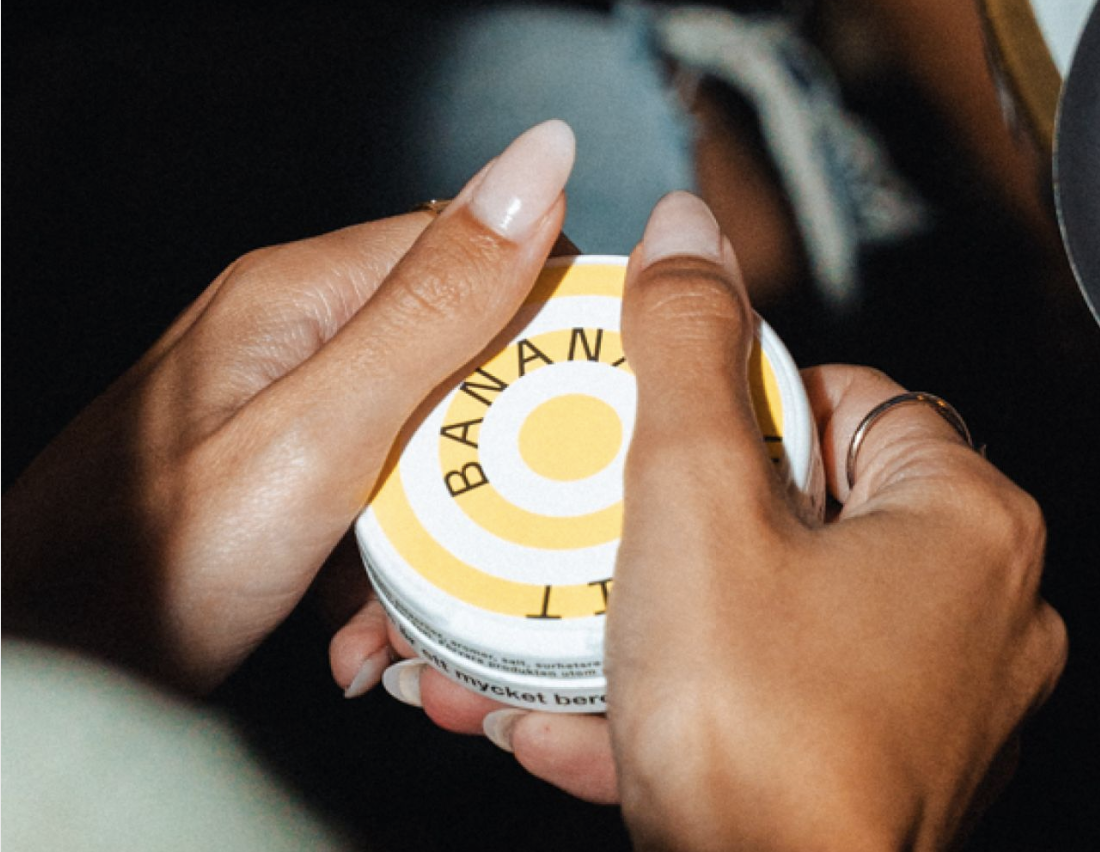
Countries such as Sweden, New Zealand, and the United Kingdom have successfully reduced smoking rates by adopting smoke-free products. In Sweden, data from the past 30 years shows that the harms of tobacco have been effectively reduced, leading to many residents choosing to switch from smoking to using snus and other smoke-free products. These products are classified as lower-risk, have lower taxes, and are more affordable.
Although the per capita tobacco consumption in Sweden is similar to the EU average, with a smoking rate of only 5.3%, it is the lowest in the EU. BAT Kenya Managing Director Crispin Achola stated that the company is introducing smoke-free products in the Kenyan market, reflecting its commitment to catering to the preferences of adult smokers while also striving to help smokers make smarter choices.
He emphasized that tobacco control remains important, and addressing this major social issue requires open dialogue, shared scientific research, and collaboration. BAT aims to ensure high product standards through transparent cooperation, while also preventing youth access and curbing illegal trade. Concerningly, around 37% of cigarettes in Kenya are from illegal sources, and this situation should not be repeated with smoke-free products.
He believes that the evidence supporting methods to reduce the harm of tobacco is very substantial, and adopting this method will help Kenya accelerate towards a smoke-free status.
We welcome news tips, article submissions, interview requests, or comments on this piece.
Please contact us at info@2firsts.com, or reach out to Alan Zhao, CEO of 2Firsts, on LinkedIn
Notice
1. This article is intended solely for professional research purposes related to industry, technology, and policy. Any references to brands or products are made purely for objective description and do not constitute any form of endorsement, recommendation, or promotion by 2Firsts.
2. The use of nicotine-containing products — including, but not limited to, cigarettes, e-cigarettes, nicotine pouchand heated tobacco products — carries significant health risks. Users are responsible for complying with all applicable laws and regulations in their respective jurisdictions.
3. This article is not intended to serve as the basis for any investment decisions or financial advice. 2Firsts assumes no direct or indirect liability for any inaccuracies or errors in the content.
4. Access to this article is strictly prohibited for individuals below the legal age in their jurisdiction.
Copyright
This article is either an original work created by 2Firsts or a reproduction from third-party sources with proper attribution. All copyrights and usage rights belong to 2Firsts or the original content provider. Unauthorized reproduction, distribution, or any other form of unauthorized use by any individual or organization is strictly prohibited. Violators will be held legally accountable.
For copyright-related inquiries, please contact: info@2firsts.com
AI Assistance Disclaimer
This article may have been enhanced using AI tools to improve translation and editorial efficiency. However, due to technical limitations, inaccuracies may occur. Readers are encouraged to refer to the cited sources for the most accurate information.
We welcome any corrections or feedback. Please contact us at: info@2firsts.com