Key Points
- Fiserv, BP, Marathon and Valero warned U.S. stores not to sell illegal vapes.
- Notices said a single violation could bring mid-six-figure fines or loss of card-processing services.
- BP said Mastercard had begun issuing compliance notices tied to illegal vape transactions.
- CardConnect warned merchants not to sell vapes lacking FDA authorization.
- U.S. illegal-vape enforcement pressure is extending into payment networks and gas-station retail.
2Firsts
July 7, 2026
According to Reuters via CNA, payments platform Fiserv and service station operators including BP, Marathon Petroleum and Valero have warned U.S. partners and gas-station convenience-store owners not to sell illegal vapes, saying violations could bring heavy fines, breach brand agreements and threaten access to card-processing services.
Service Station Operators Issue Illegal Vape Warnings
A notice seen by Reuters showed that BP told gas-station operators Mastercard had begun issuing compliance-violation notices to merchants across the industry for processing sales transactions involving illegal electronic nicotine delivery system products.
BP’s notice also said selling illegal vapes violated a store’s agreement with BP. For convenience stores operating under major fuel brands, that means illegal vape sales are not only a tobacco regulatory issue, but may also create contractual compliance risk under brand or operator agreements.
Marathon Petroleum and Valero issued similar notices. The notices warned that Mastercard or similar firms could impose mid-six-figure fines for a single violation or revoke card-processing services. Valero’s notice was dated June 17.
Vapes have been a high-frequency product category for many gas-station convenience stores. But as unauthorized disposable vapes and other illegal products continue to reach physical retail channels, fuel brands, payment networks and acquiring institutions are facing greater compliance pressure.
Payment Networks Become a New Enforcement Lever
The significance of the development lies not only in the store warnings, but in the role of payment networks and payment processors as pressure points in the illegal vape crackdown.
CardConnect, a payment technology provider and subsidiary of Fiserv, issued a notice to partners saying vape sales must comply with all relevant laws or risk “corrective action.” The notice also said CardConnect would warn all merchants using its services not to sell vapes that lack FDA authorization.
For convenience-store operators, payment processing can be as important as product supply. Many gas stations and convenience stores depend heavily on card transactions, contactless payments and mobile wallets. If a payment network or acquirer restricts service, a store may face an immediate operational problem rather than a regulatory process that unfolds over months.
This changes the pressure chain around illegal vape enforcement. Retailers previously focused mainly on inspections or actions by FDA, state regulators or local enforcement agencies. Now payment networks, acquirers, fuel brands and service station operators can also impose constraints through contracts, payment rules and merchant-service terms.
U.S. Crackdown Extends Across Commercial Infrastructure
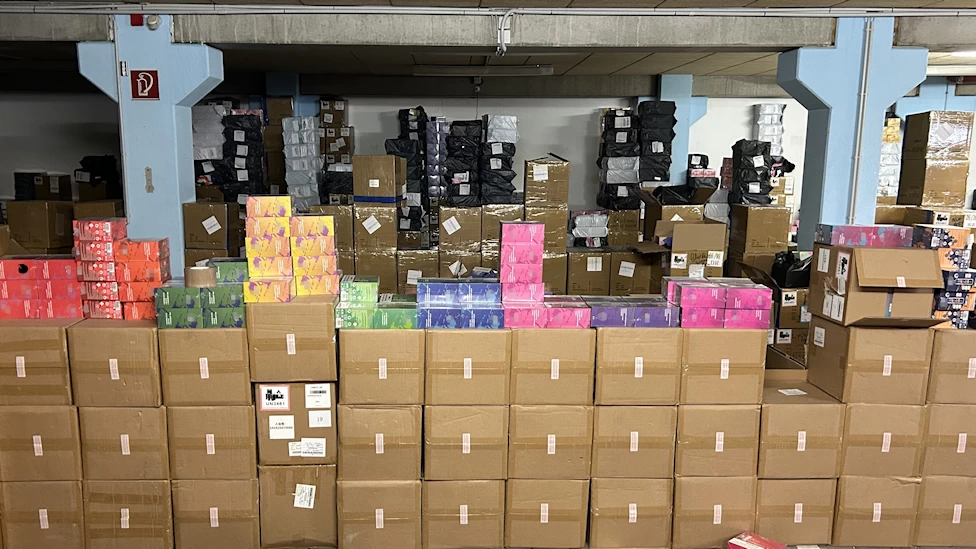
Reuters reported that a coalition of state and city law-enforcement officials in the U.S. is pressuring shippers, e-commerce platforms and payment networks to crack down on illegal vapes. Some estimates put the illegal vape market at $9 billion or more in annual sales.
The effort is backed by attorneys general from states including California, Illinois and Arizona, as well as authorities from New York City, the District of Columbia and Puerto Rico. The pressure has recently helped secure a Shopify ban on vapes. Mastercard has also warned partners that it would investigate if they enabled illegal vape transactions on its network.
The U.S. vape market has long faced a structural gap between the small number of authorized products and the large volume of unauthorized products in circulation. Reuters reported that FDA has authorized only 45 vaping products for legal marketing, while unauthorized brands are sold illegally nationwide, both online and through physical retail locations including convenience stores and bodegas.
Against this background, the involvement of payment networks and service station operators shows that illegal vape enforcement is expanding from product review and regulatory action into transaction infrastructure, commercial contracts and retail-channel access.
Retailers Face Higher Compliance Pressure
For gas-station convenience stores and independent retailers, the new risks fall into four areas.
First, inventory review pressure will rise. Stores need to confirm whether the vape products they sell have FDA authorization, rather than relying only on supplier claims, packaging language or wholesaler assurances.
Second, staff training requirements will increase. Cashiers and store owners need to understand which products may carry authorization risk, how to respond to supplier pitches and how to handle checks from payment processors or fuel brands.
Third, payment and brand-agreement risks are increasing. Even before a regulator takes enforcement action, stores may face fines, service restrictions or operating-risk consequences under payment-network notices or brand-contract terms.
Fourth, small operators may be hit hardest. Large convenience-store chains usually have legal, procurement and compliance teams, while independent gas-station stores may lack the ability to verify product authorization status in real time. Losing payment-processing access would have a direct and immediate impact on operations.
For authorized brands and compliant distributors, the trend could create opportunities. If payment networks and fuel brands tighten product-list management, retail channels may become more likely to retain products with clear authorization status, reliable sourcing and complete documentation.
Industry Impact and Next Steps
From an industry perspective, the development sends three signals.
First, U.S. illegal-vape enforcement is expanding into commercial infrastructure. Payment networks, acquirers, e-commerce platforms, shippers and service station operators are becoming part of the enforcement pressure chain.
Second, retailers will face more direct responsibility for checking product authorization. For gas-station convenience stores, selling unauthorized vapes is no longer only a potential administrative enforcement risk; it may also affect payment services and brand relationships.
Third, payment compliance could reshape physical vape channels. If card networks and acquirers continue tightening rules, the circulation of illegal vapes through convenience stores, gas stations and small retail outlets may be reduced.
Key issues to watch include whether Mastercard, Fiserv and other payment processors issue more uniform merchant rules, whether BP, Marathon and Valero require stores to remove specific products, and how FDA authorization lists are used by retailers and payment companies in practice.
Overall, this is not a new FDA product authorization decision. It is a shift in how illegal vape sales are being controlled in the United States. The risk of selling illegal vapes is expanding from regulatory fines to more immediate commercial consequences, including payment disruption, brand-contract violations and possible loss of retail-channel access.
Follow 2Firsts for the latest updates on global tobacco harm reduction, nicotine products and regulatory developments.
Cover Image source: Reuters