Key points:
1.Tobacco heating products have reduced harmful substances by 95%, but remain controversial, with the European Respiratory Society raising questions about this.
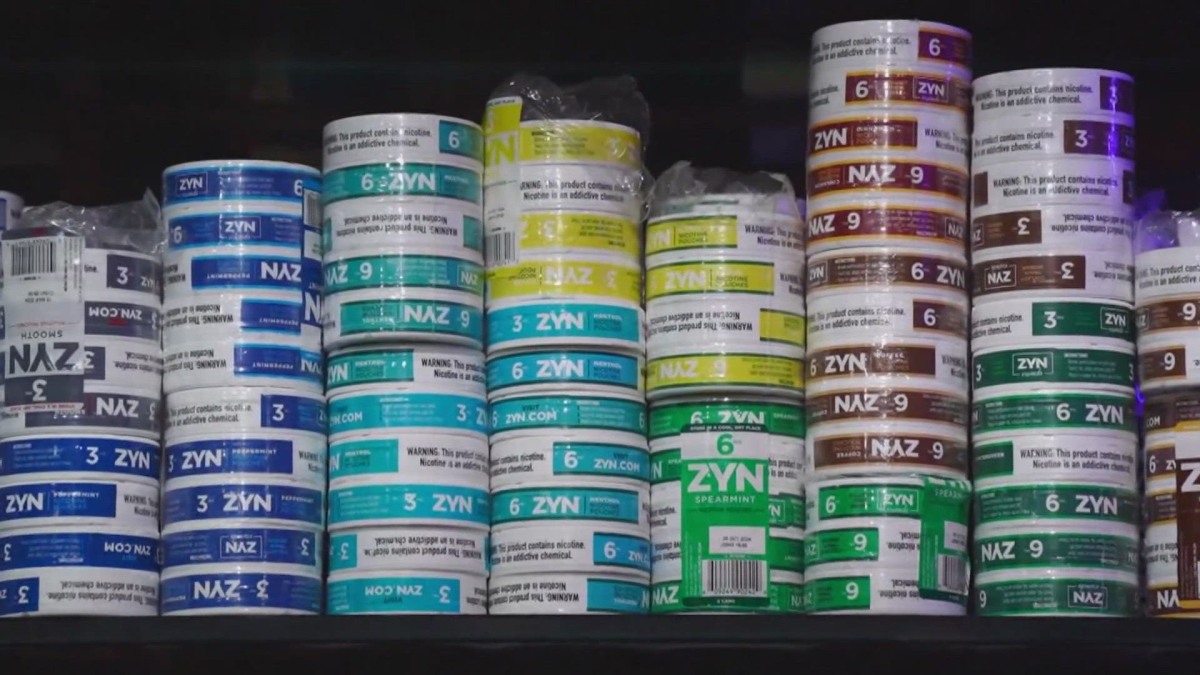
2.The United States FDA has approved the sale of IQOS and Zyn, following rigorous scientific review, while Brazil still prohibits such products.
3.The PMICEO is calling on Brazil to reexamine the regulation of heated tobacco products in order to help improve public health.
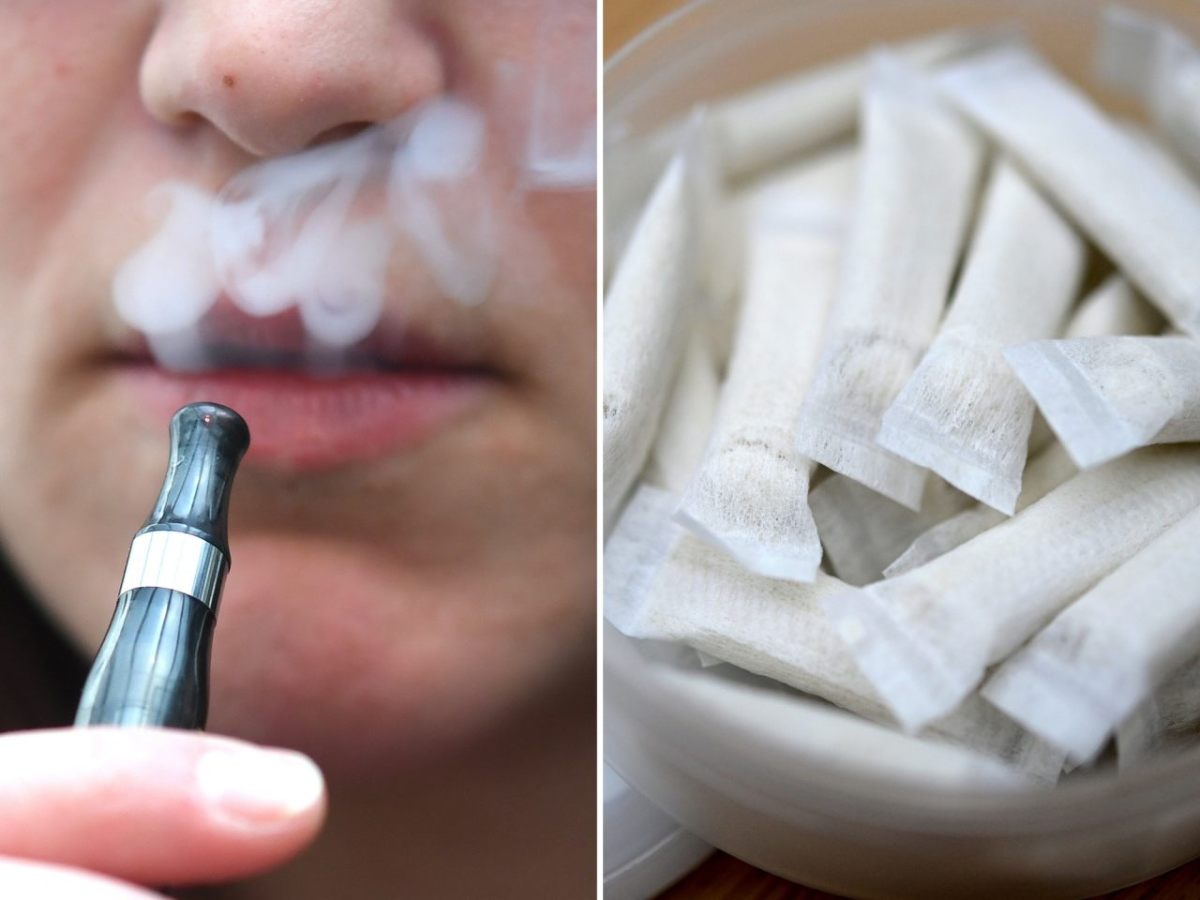
4.The illegal e-cigarette market in Brazil is rampant, with a lack of regulation posing threats to the health and public safety of users.
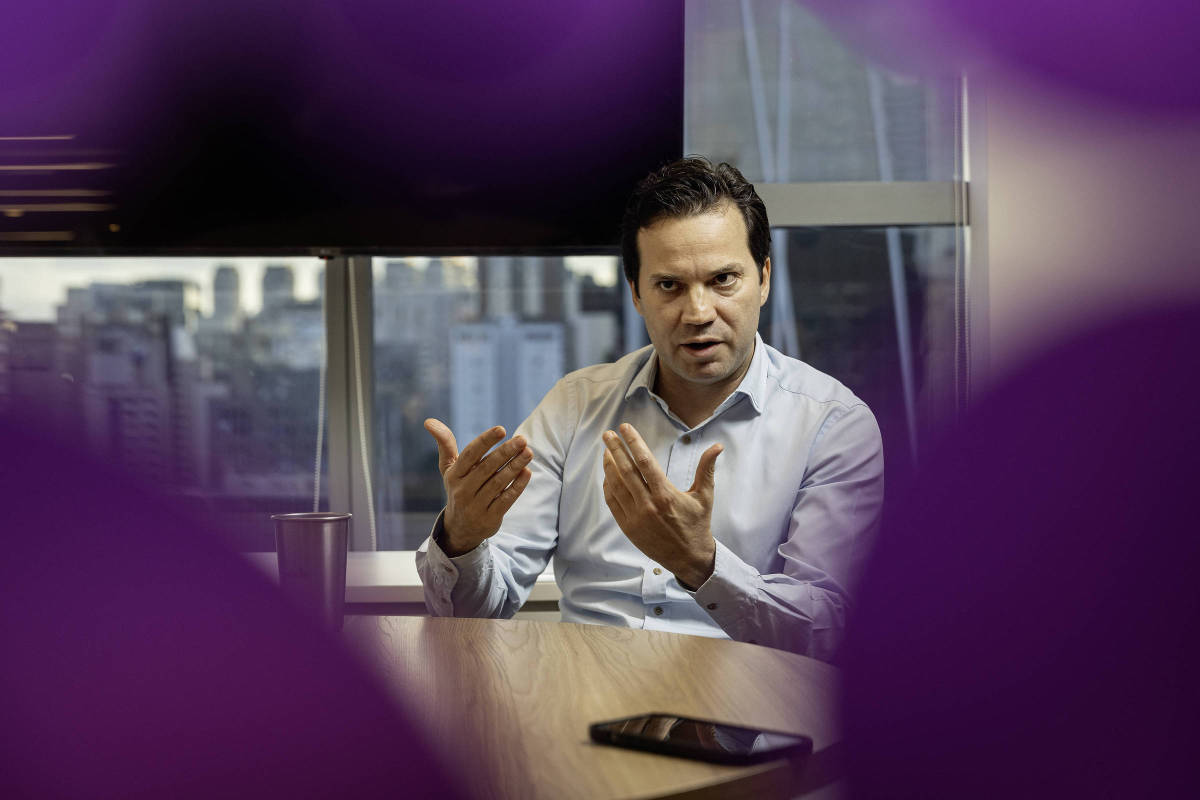
According to a report by Brazilian media outlet Folha, Branko Sevarlic, CEO of Philip Morris International's Brazil branch, stated that the regulation of e-cigarettes and heated tobacco products is a public health issue related to harm reduction. He pointed out that the main difference between heated tobacco products and traditional cigarettes is the elimination of the combustion process, reducing harmful substances by 95%.
While research funded by Philip Morris International (PMI) supports this viewpoint, the Tobacco Control Committee of the European Respiratory Society has raised objections, stating that heated tobacco products still release harmful chemical substances. In 2019, the US FDA approved the sale of IQOS in the US, believing it to be beneficial for public health. However, Brazil's regulatory agency ANVISA decided last year to continue prohibiting the sale of these products on the market.
Sevarlic believes that if Brazil were to introduce smoke-free products such as IQOS and Zyn, it would greatly improve public health. He noted that PMI is working to reduce global cigarette sales and embrace a smoke-free future. However, Brazil has banned e-cigarettes since 2009, preventing them from promoting smoke-free products in that market.
Sevarlic emphasized that tobacco users in Brazil are only exposed to the most harmful products, while nicotine pouch product Zyn has been approved and encouraged for use by the FDA in the United States. He hopes that Brazil can learn from this experience to strengthen their policy reflections on banning e-cigarettes.
We welcome news tips, article submissions, interview requests, or comments on this piece.
Please contact us at info@2firsts.com, or reach out to Alan Zhao, CEO of 2Firsts, on LinkedIn
Notice
1. This article is intended solely for professional research purposes related to industry, technology, and policy. Any references to brands or products are made purely for objective description and do not constitute any form of endorsement, recommendation, or promotion by 2Firsts.
2. The use of nicotine-containing products — including, but not limited to, cigarettes, e-cigarettes, nicotine pouchand heated tobacco products — carries significant health risks. Users are responsible for complying with all applicable laws and regulations in their respective jurisdictions.
3. This article is not intended to serve as the basis for any investment decisions or financial advice. 2Firsts assumes no direct or indirect liability for any inaccuracies or errors in the content.
4. Access to this article is strictly prohibited for individuals below the legal age in their jurisdiction.
Copyright
This article is either an original work created by 2Firsts or a reproduction from third-party sources with proper attribution. All copyrights and usage rights belong to 2Firsts or the original content provider. Unauthorized reproduction, distribution, or any other form of unauthorized use by any individual or organization is strictly prohibited. Violators will be held legally accountable.
For copyright-related inquiries, please contact: info@2firsts.com
AI Assistance Disclaimer
This article may have been enhanced using AI tools to improve translation and editorial efficiency. However, due to technical limitations, inaccuracies may occur. Readers are encouraged to refer to the cited sources for the most accurate information.
We welcome any corrections or feedback. Please contact us at: info@2firsts.com