Key Points
- China disclosed its first reported criminal case involving “zero-nicotine” counterfeit vapes prosecuted under counterfeit goods laws.
- Products were marketed as “medical nebulizers,” “zero-nicotine” and “additive-free” products.
- Beijing tobacco authorities and police uncovered a cross-province illegal production and distribution network.
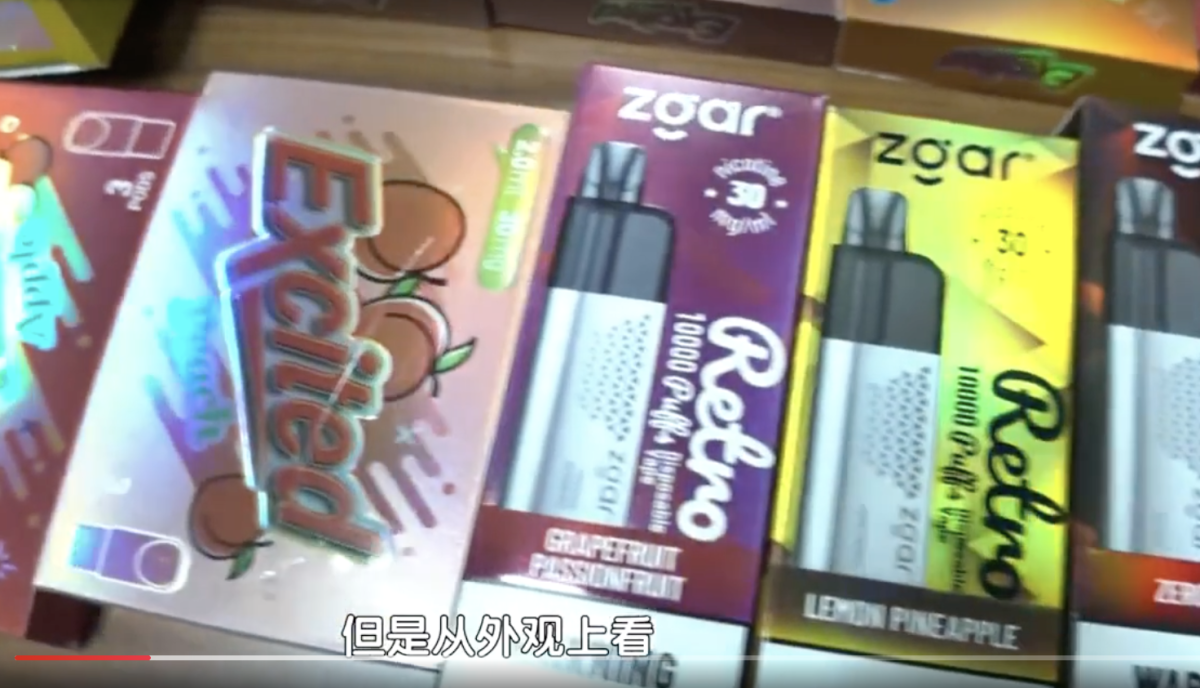
- Authorities seized 347,000 counterfeit vape pods and 53,700 devices.
- Nineteen people were criminally detained, nine arrested and two sentenced.
2Firsts
August 4, 2026
According to Beijing Daily’s “Legal Affairs in Progress” program on August 3, 2026, Beijing tobacco authorities, police and related departments disclosed a criminal case involving vape products disguised as “medical nebulizers” and “zero-nicotine” products.
Authorities determined that the products involved were counterfeit vapes and pursued criminal charges for producing and selling counterfeit goods.
The report described the case as China’s first judicial case involving the production and sale of “zero-nicotine” counterfeit vapes prosecuted under counterfeit goods laws.
The investigation uncovered a cross-province supply chain involving manufacturing, branded packaging and regional distribution.
Products Marketed as “Medical Nebulizers” and “Zero-Nicotine” Items
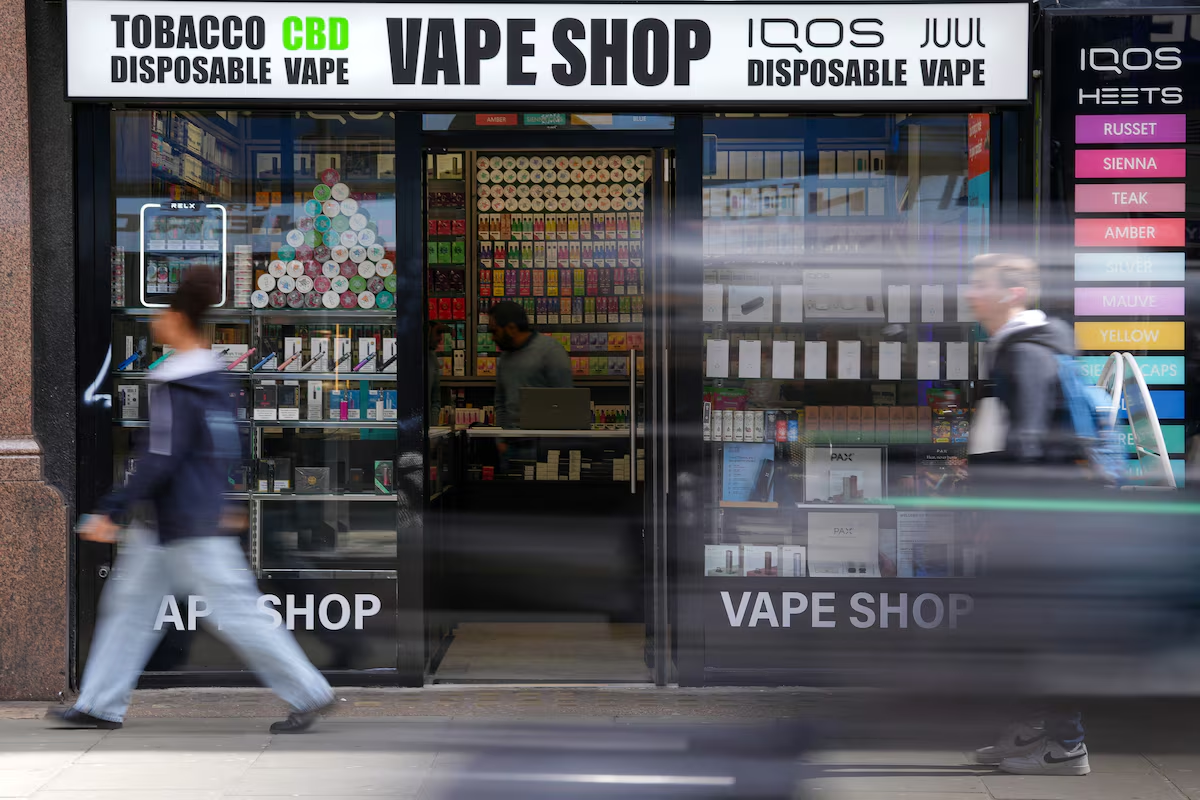
In late November 2024, the Shunyi District Tobacco Monopoly Bureau in Beijing received a public report alleging that a store in a shopping mall was selling vape products to minors.
Investigators found that the store sold multiple aerosol products, while product packaging and displays did not use the term “vape” or “electronic cigarette.”
Instead, products were promoted as:
- “zero-nicotine” products;
- “additive-free” products;
- “medical heating nebulizers.”
The store also provided certain medical device and food-related qualifications, while its business registration did not include electronic cigarette-related activities.
According to the report, investigators examined whether aerosol products marketed under medical or food-related names could avoid vape regulation because they did not contain nicotine or used different product descriptions.
The report said that vape classification depends on product function and structure rather than nicotine content alone.
The products involved in the case were classified by authorities as counterfeit vapes.
Beijing Authorities Trace Cross-Province Illegal Supply Chain
After identifying the retail outlet, investigators traced the source of the products.
The investigation found that the operators were connected to a broader distribution network.
The supply chain reportedly involved:
- contract manufacturing in Guangxi;
- branded packaging in Guangdong;
- regional distribution in Beijing;
- concealed retail sales.
Authorities said the products were distributed through disguised names and packaging intended to avoid consumer and regulatory recognition.
In January 2025, Shunyi District Tobacco Monopoly Bureau, police and market supervision authorities conducted enforcement operations against the related locations.
Between May and June 2025, multiple departments carried out three rounds of cross-province operations.
Seizure of 347,000 Pods and Criminal Prosecution
According to the report, authorities seized:
Item | Quantity |
Counterfeit vape pods | 347,000 |
Vape devices | 53,700 |
Physical goods value | 22.13 million yuan |
Case progress:
Status | Number |
Criminally detained | 19 people |
Arrested | 9 people |
Sentenced | 2 people |
The report said the case dismantled a counterfeit vape production and distribution chain involving manufacturing outside Beijing, branded packaging and regional sales.
China’s Regulatory Approach Focuses on Product Characteristics
The case highlights China’s approach to evaluating vape products based on actual characteristics rather than product names alone.
The products involved were marketed using descriptions including:
- “medical nebulizers”;
- “zero-nicotine”;
- “herbal” products.
However, according to the report, authorities considered product functions, structures and sales activities when determining regulatory classification.
For the vape industry, the case indicates that product classification may depend not only on marketing descriptions or nicotine content, but also on actual product features and intended use.
Follow 2Firsts for the latest updates on global tobacco and nicotine regulation, industry developments and market trends.
Cover Image source: Beijing Daily
Disclaimer
This article is provided solely for professional research, industry discussion, and informational purposes. Any references to brands, companies, products, technologies, or policies are made for factual reporting and analytical purposes only, and do not constitute endorsement, recommendation, promotion, or advertising by 2Firsts.
Nicotine-containing products, including but not limited to cigarettes, e-cigarettes, heated tobacco products, and nicotine pouches, carry significant health risks. Readers are responsible for complying with all applicable laws and regulations in their respective jurisdictions, including age restrictions and access limitations.
The information contained in this article should not be regarded as investment, legal, medical, regulatory, or commercial advice. While 2Firsts strives to ensure the accuracy and reliability of its content, it does not assume liability for any direct or indirect loss arising from errors, omissions, inaccuracies, or reliance on the information contained herein.
This article is not intended for individuals below the legal age for accessing tobacco or nicotine-related information in their jurisdiction.
Copyright Notice
This article is either original content produced by 2Firsts or content reproduced, translated, summarized, or adapted from third-party sources with attribution where applicable. The intellectual property rights of the original content remain with 2Firsts or the respective original rights holders.
No individual or organization may copy, reproduce, distribute, republish, modify, translate, or otherwise use this content without prior authorization. Any unauthorized use may result in legal action.
For copyright-related inquiries, corrections, or removal requests, please contact: info@2firsts.com.
AI-Assisted Translation and Editing Notice
Portions of this article may have been translated, edited, or reviewed with the assistance of artificial intelligence tools to improve efficiency and readability. Due to the limitations of AI-assisted translation and editing, discrepancies, omissions, or inaccuracies may exist when compared with the original source.
Where applicable, readers are advised to refer to the original source for the most complete and accurate information. If you identify any errors or believe that any content infringes upon your rights, please contact us at info@2firsts.com, and we will review and address the matter promptly.