Key Points
1. PMI Identifies 39 Material Topics
PMI’s 2025 Sustainability Materiality Report outlines 27 material impacts, 9 risks, and 3 opportunities, based on a double materiality framework aligned with the EU CSRD.
2. Communication Barriers Recognized as Strategic Risk
Public misunderstanding and regulatory restrictions around smoke-free products are formally identified as material risks to tobacco harm reduction (THR) efforts.
3. Illicit Trade and Forced Labor Highlighted
Illicit tobacco trade and forced labor in electronics manufacturing are flagged as material risks and negative impacts, with implications for industry compliance and supply chain governance.
4. Disposable Product Design Under Scrutiny
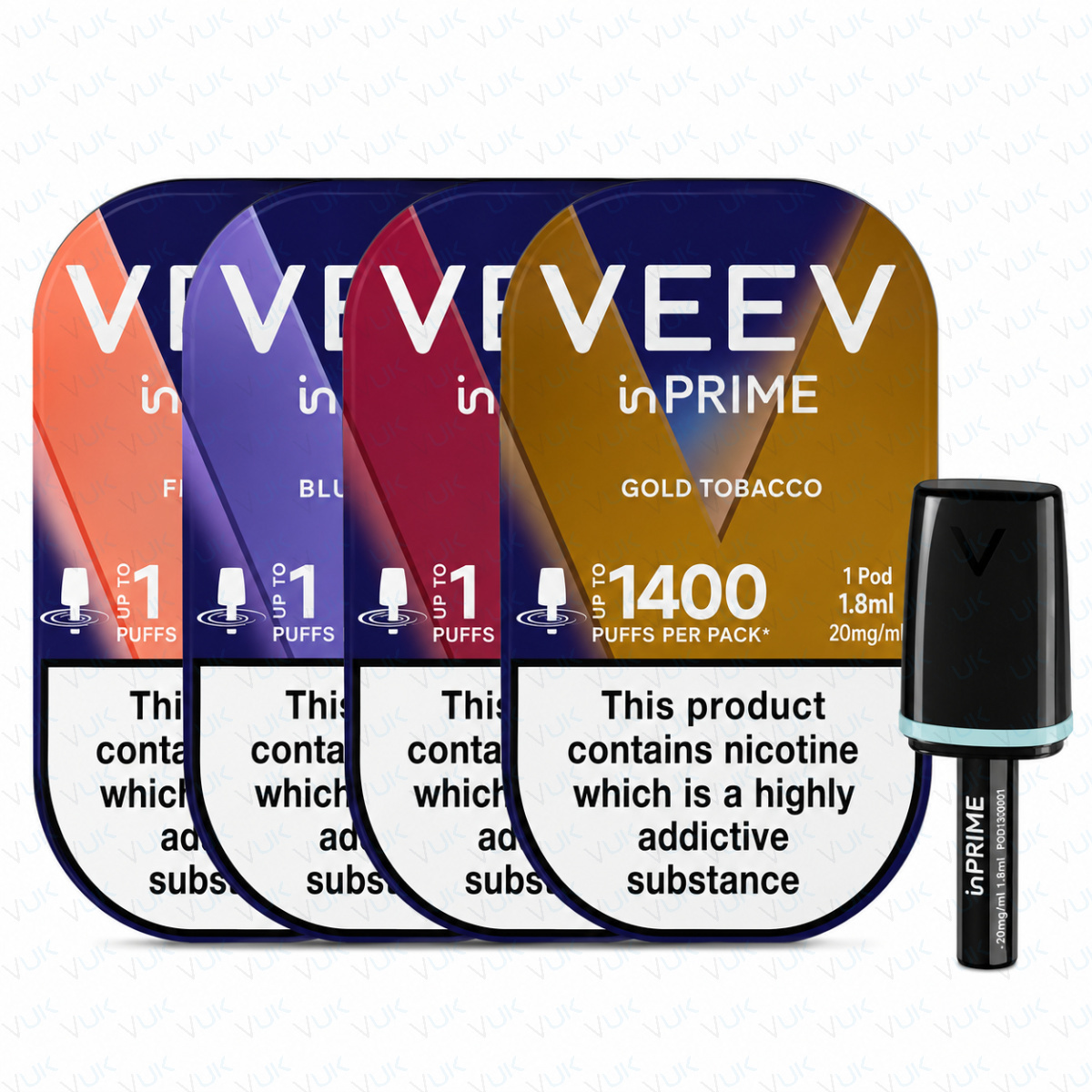
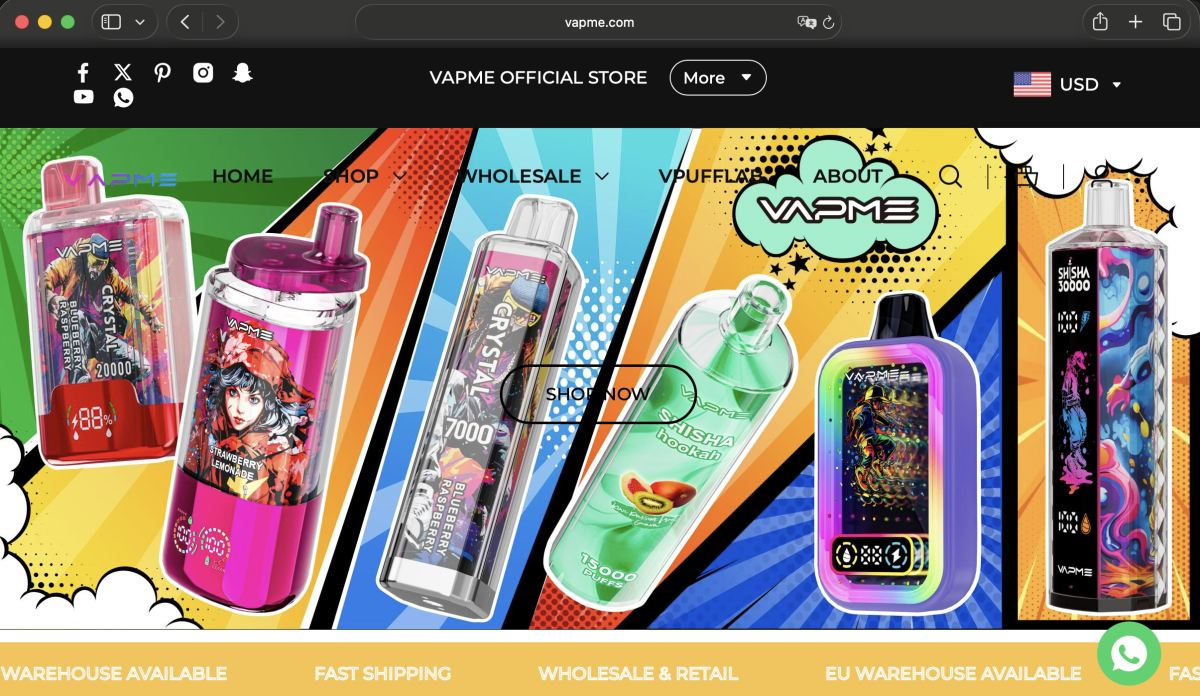
Non-circular, single-use designs are linked to environmental harm. PMI advocates for recyclable formats, reusable components, and plastic-free innovations.
2Firsts, September 15, 2025 — Philip Morris International (PMI) has released its 2025 Sustainability Materiality Report, detailing the results of its double materiality assessment conducted in 2024 and validated in early 2025. The report identifies 39 material Impacts, Risks, and Opportunities (IROs) across PMI’s value chain and stakeholder landscape—serving as a strategic foundation for its sustainability roadmap toward 2030 and beyond.
In addition to fulfilling reporting obligations under the EU’s Corporate Sustainability Reporting Directive (CSRD), the report reinforces PMI’s transformation from a traditional tobacco company into a science-driven organization focused on smoke-free alternatives and health innovation.

1. Double Materiality Assessment: A Strategic Foundation
PMI adopted a double materiality approach:
● Outward materiality: Impacts on people, the environment, and society;
● Inward materiality: Sustainability issues that create financial risks or opportunities for PMI.
Out of over 330 IROs reviewed, PMI classified:
● 27 as material impacts (mostly environmental and public health-related),
● 9 as material risks (including regulatory, market, and supply chain concerns),
● 3 as material opportunities (linked to product innovation and business model evolution)【p.15–16】.
The assessment methodology integrates PMI’s enterprise risk management (ERM) system and underwent independent review by third-party assurance firm LRQA, ensuring rigor and alignment with CSRD expectations.
2. Consumers and End-Users: Communication Gaps as Business Risk
PMI identifies “Consumers and End-Users” as the most material topic category, accounting for the largest number of IROs. Key risks and impacts include【p.16–21】:
● Combustible tobacco remains a major health burden (negative impact);
● Transitioning adult smokers to smoke-free products is a strategic priority (positive impact);
● Communication challenges—including public and regulatory misunderstanding of product risk differentials—are viewed as key risks;
● Lack of scientific literacy or policy nuance may limit tobacco harm reduction (THR) effectiveness;
● Complex product portfolios could lead to consumer confusion, weakening switching efficiency.
These findings elevate science-based communication and risk education as critical to PMI’s smoke-free goals.
3. Illicit Trade Identified as Material Business Risk
PMI includes illicit trade—encompassing counterfeit products, illicit whites, and smuggled goods—as a core business risk. The report cites its potential to cause【p.21】:
● Financial losses,
● Reputational harm,
● Disruption to harm reduction efforts through unregulated product competition.
Although the report does not list specific markets, its classification signals PMI’s recognition of illicit trade as a systemic challenge to legitimate NGP deployment.
4. Disposable Product Design Linked to Environmental Impact
The report flags non-circular design and improper disposal of disposable products as material negative impacts. Concerns include【p.18】:
● Resource depletion,
● Consumer-driven environmental litter (e.g., e-cigarette devices and consumables),
● Limited recyclability and lack of recovery infrastructure.
PMI advocates design innovation toward plastic-free filters, reusable formats, and circular systems, aligning product strategy with emerging regulations.
5. Forced Labor in Electronics Supply Chain
PMI identifies forced labor within its electronics supply chain—including devices and components—as an actual negative impact【p.19】. The report emphasizes:
● Need for transparency in labor practices among suppliers,
● Integration of grievance mechanisms and compliance audits,
● Consistency with PMI’s human rights policies and ethical sourcing criteria.
This finding signals increased scrutiny for ODMs and component suppliers in the vaporization and HTP hardware sectors.
6. Pricing Barriers and Brand Strategy: Risk and Opportunity
PMI distinguishes between:
● Cost barriers that may limit adult smoker access to smoke-free alternatives (potential negative impact), and
● Multi-tier brand strategies that expand affordability and accessibility (material opportunity)【p.21】.
These insights reflect the growing policy relevance of pricing equity in harm reduction initiatives.
7. Six Strategic Priorities Guide PMI’s Sustainability Agenda
The report groups the 39 material IROs into six strategic sustainability categories【p.22–23】:
1. Consumers – health impacts, informed choice, product access
2. Workforce – safety, well-being, equal opportunities
3. Supply Chain Workers – human rights, labor conditions, grievance access
4. Climate – emissions, energy, adaptation
5. Nature – biodiversity, ecosystems, water stewardship
6. Circularity – resource efficiency, product design, recyclability
These themes form the basis for PMI’s programmatic focus, investment priorities, and sustainability KPIs.
8. Localized Implementation: CSRD Compliance in Czech Republic
The report explains how PMI adapted its global SMA results to the specific context of Philip Morris ČR (PMČR), its publicly listed EU subsidiary operating in the Czech Republic and Slovakia【p.15】. This localization:
● Ensures compliance with CSRD disclosure mandates,
● Aligns regional operations with PMI’s group-wide sustainability objectives,
● Reflects PMI’s dual-layer ESG governance model (global + local).
9. Extended Coverage: Independent Assessment for PMI Subsidiary Aspeya
PMI’s report also includes an independent sustainability materiality assessment for Aspeya, its healthcare and wellness subsidiary, detailed on pages 24–25.
Aspeya was created under PMI’s “Beyond Nicotine” strategy and launched in late 2024 after divesting its Vectura Group unit. It consolidates PMI’s acquisitions of Fertin Pharma and others, focusing on:
● Consumer wellness products,
● Prescription therapies,
● Non-nicotine health innovations.
Aspeya’s SMA identified 30 material IROs, including:
● Positive health impacts,
● Climate-related risks,
● Labor well-being,
● Uncertainties in global access and supply chain data,
● Business ethics and whistleblower protection mechanisms.
Although not directly related to PMI’s smoke-free portfolio, Aspeya’s inclusion underscores PMI’s broader ESG commitment across business units.
Conclusion
PMI’s 2025 Sustainability Materiality Report offers unprecedented clarity on ESG risk exposure, compliance alignment, and strategic priorities for the global next-generation nicotine sector. By embedding materiality insights into business governance, PMI signals a deepening integration of sustainability into innovation, operations, and public health strategy.
2Firsts will continue monitoring ESG developments, THR adoption barriers, and market-level risks affecting the global tobacco and nicotine ecosystem.