Key Takeaways
- BAT CEO said a U.S. import block could cut unregulated vape sales by roughly a third; impact unlikely before 2027
- BAT estimates unregulated devices make up about 70% of U.S. e-cigarette sales
- BAT has two active ITC cases seeking to block imports of unregulated devices
- BAT expects a full ITC determination in March, followed by a 60-day presidential review
- CEO said long supply chains and inventories would delay material impact until early next year; he also flagged a possible FDA programme testing a different approach, potentially including flavoured vapes
2Firsts, Feb 13, 2026 –
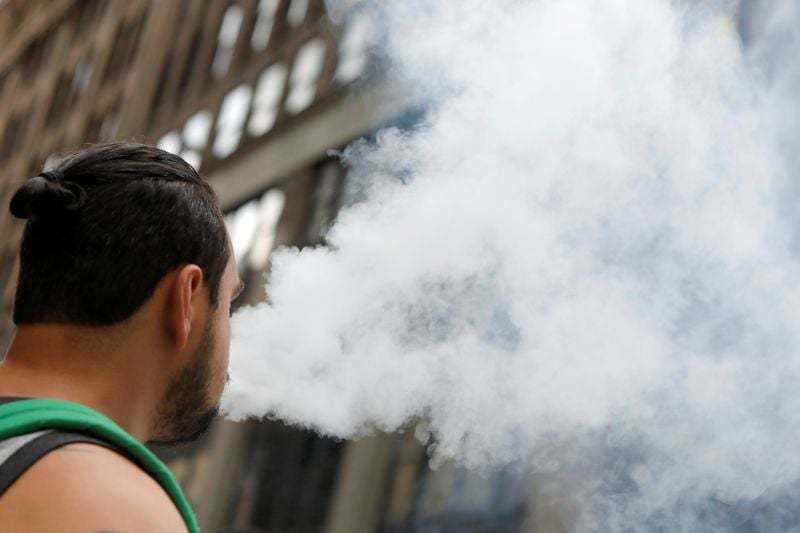
According to Reuters, by Emma Rumney (Emma Rumney), British American Tobacco (BAT) CEO Tadeu Marroco (Tadeu Marroco) said a potential U.S. move to block imports of some disposable vapes could cut the booming market for unregulated e-cigarettes by as much as a third, though any impact is unlikely before 2027.
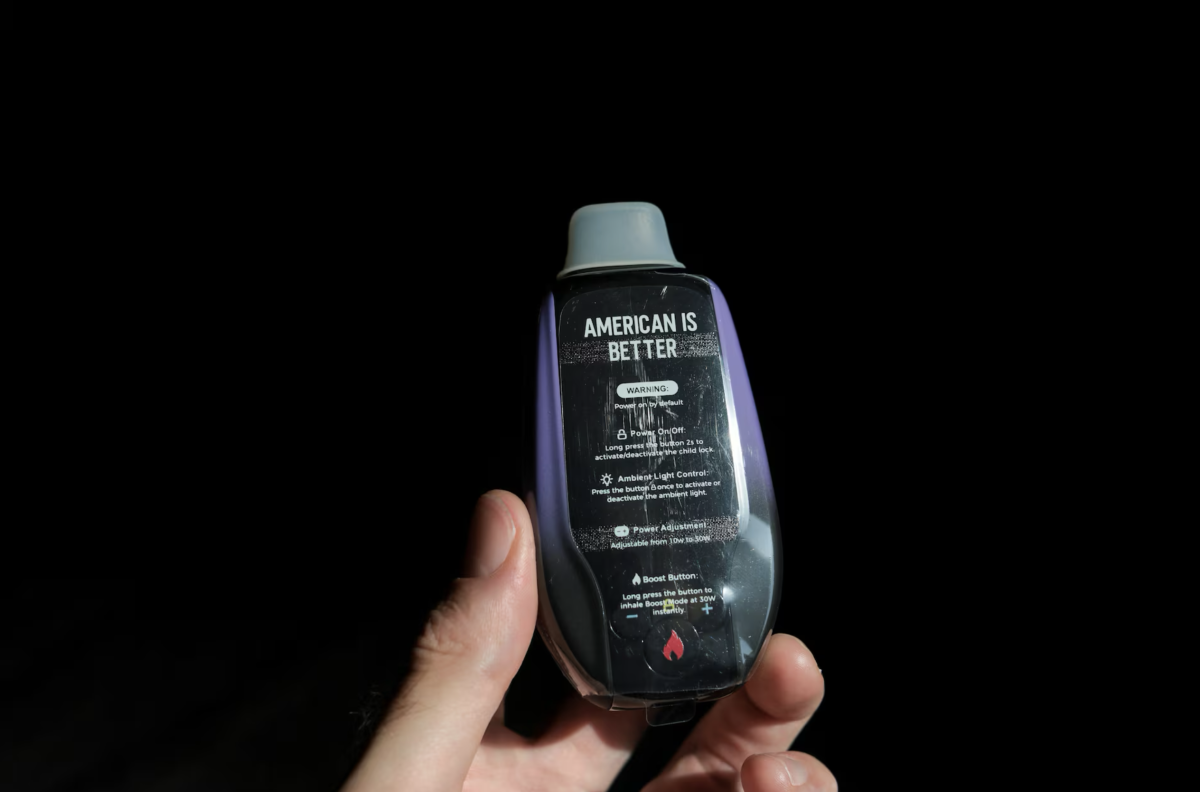
The report said tobacco giants including BAT and U.S. Marlboro-maker Altria (Altria) have spent years fighting a flood of mostly Chinese-made vapes that lack U.S. authorisation for sale but have still come to dominate the world’s largest market for smoking alternatives.
BAT estimates unregulated devices make up about 70% of U.S. e-cigarette sales, hitting both its vape and traditional tobacco businesses, the report said. It added that BAT has two active cases at the U.S. International Trade Commission (ITC), seeking to block imports of unregulated devices.
The report noted that last year an ITC judge ruled in BAT’s favour in a patent dispute and recommended a general exclusion order that would block disposable vapes infringing its patents. BAT said alongside annual results that it expects a full ITC determination in March, followed by a 60-day presidential review.
Marroco told Reuters that such a block could have a meaningful impact on the market, which he defined as a drop to below 50% of industry sales, or by roughly a third, though he said the scale was hard to predict. He also warned that a long U.S. supply chain and large inventories would delay any effect, adding that even with ITC support it would not be until early next year that there would be a material impact.
Marroco also said he would not be surprised if the U.S. Food and Drug Administration (FDA) launched a programme to test a different approach to vapes, potentially including flavoured vapes. The report added that after years of rejecting most applications for new nicotine products, the FDA has looked to speed up or streamline its processes.
We welcome news tips, article submissions, interview requests, or comments on this piece.
Please contact us at info@2firsts.com, or reach out to Alan Zhao, CEO of 2Firsts, on LinkedIn
Notice
1. This article is intended solely for professional research purposes related to industry, technology, and policy. Any references to brands or products are made purely for objective description and do not constitute any form of endorsement, recommendation, or promotion by 2Firsts.
2. The use of nicotine-containing products — including, but not limited to, cigarettes, e-cigarettes, nicotine pouchand heated tobacco products — carries significant health risks. Users are responsible for complying with all applicable laws and regulations in their respective jurisdictions.
3. This article is not intended to serve as the basis for any investment decisions or financial advice. 2Firsts assumes no direct or indirect liability for any inaccuracies or errors in the content.
4. Access to this article is strictly prohibited for individuals below the legal age in their jurisdiction.
Copyright
This article is either an original work created by 2Firsts or a reproduction from third-party sources with proper attribution. All copyrights and usage rights belong to 2Firsts or the original content provider. Unauthorized reproduction, distribution, or any other form of unauthorized use by any individual or organization is strictly prohibited. Violators will be held legally accountable.
For copyright-related inquiries, please contact: info@2firsts.com
AI Assistance Disclaimer
This article may have been enhanced using AI tools to improve translation and editorial efficiency. However, due to technical limitations, inaccuracies may occur. Readers are encouraged to refer to the cited sources for the most accurate information.
We welcome any corrections or feedback. Please contact us at: info@2firsts.com