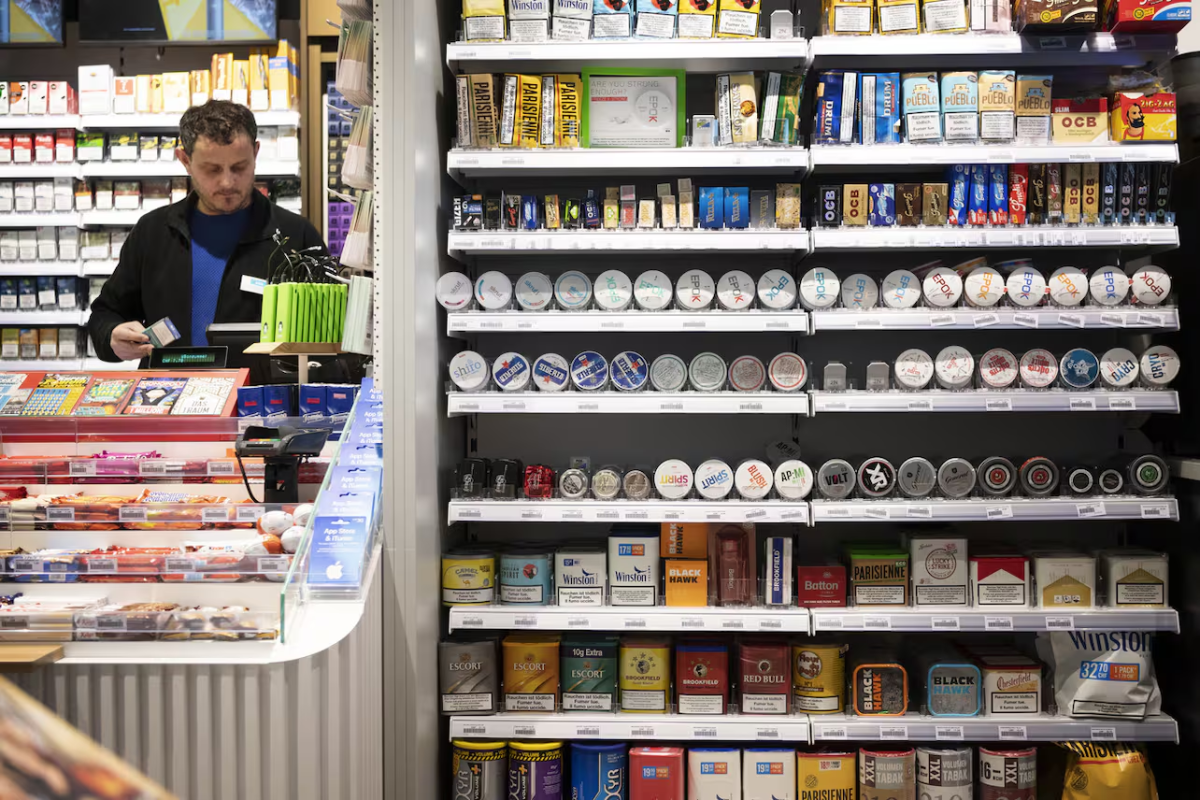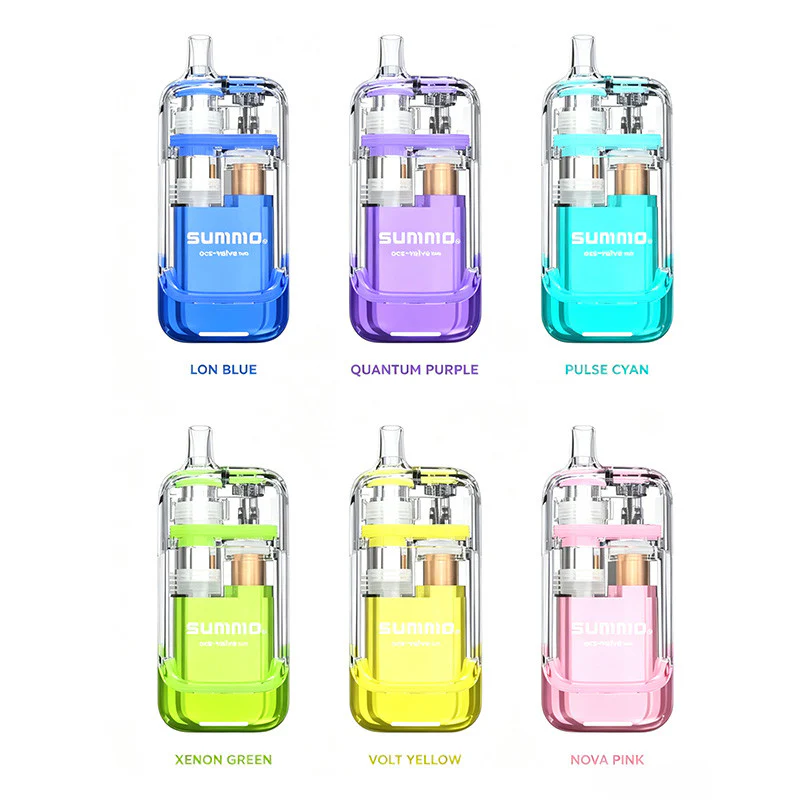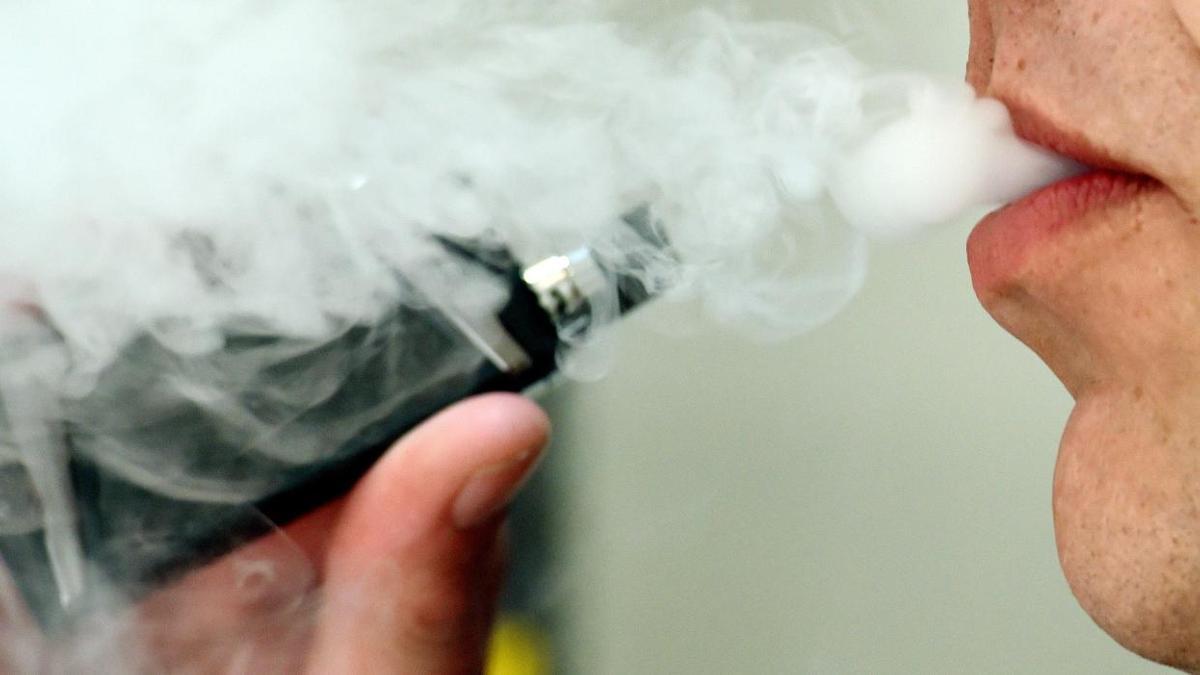
According to Keloland's report on February 6th, a bill aimed at regulating e-cigarette products in South Dakota has been approved by the House Health and Human Services Committee. The bill passed with a 7-5 vote and has now been submitted for consideration by the full house.
House Bill 1069 mandates that e-cigarette product retailers in the state must obtain certification from the manufacturer of the e-cigarette product they are selling or providing. Additionally, individuals must register with the state's Department of Revenue before retailing e-cigarette products. If an individual owns or operates multiple retail locations, each location must be registered separately.
If e-cigarette products that do not meet certification requirements are found in the state, they should be treated as contraband and properly disposed of. Any distributor selling or distributing uncertified e-cigarette products within the state will be convicted of a Class 2 misdemeanor. Republican lawmaker Brian Mulder stated that the bill aims to crack down on illegal products, clean up the e-cigarette industry, and eliminate unauthorized products.
The South Dakota Retailers for Better Alternatives is opposed to the bill. Jordan Mason believes that the legislation proposes unconstitutional restrictions, severely impacts small businesses, and threatens public health.
Kurt Kadlik, vice president of the South Dakota Retailers Association, pointed out that manufacturers in other states have sued the FDA due to the PMTA process. He believes that this regulation will consume the state's limited resources to enforce an FDA regulatory scheme that a court has deemed illegal, ultimately leading to the closure of hundreds of businesses in South Dakota.
Mason stated that if the bill is passed, it will give the major tobacco companies a dominant position in the South Dakota market. He mentioned that out of the 26 million applications in the FDA's PMTA process, only 23 have been approved, and all of these products are owned by the major tobacco companies.
We welcome news tips, article submissions, interview requests, or comments on this piece.
Please contact us at info@2firsts.com, or reach out to Alan Zhao, CEO of 2Firsts, on LinkedIn
Notice
1. This article is intended solely for professional research purposes related to industry, technology, and policy. Any references to brands or products are made purely for objective description and do not constitute any form of endorsement, recommendation, or promotion by 2Firsts.
2. The use of nicotine-containing products — including, but not limited to, cigarettes, e-cigarettes, nicotine pouchand heated tobacco products — carries significant health risks. Users are responsible for complying with all applicable laws and regulations in their respective jurisdictions.
3. This article is not intended to serve as the basis for any investment decisions or financial advice. 2Firsts assumes no direct or indirect liability for any inaccuracies or errors in the content.
4. Access to this article is strictly prohibited for individuals below the legal age in their jurisdiction.
Copyright
This article is either an original work created by 2Firsts or a reproduction from third-party sources with proper attribution. All copyrights and usage rights belong to 2Firsts or the original content provider. Unauthorized reproduction, distribution, or any other form of unauthorized use by any individual or organization is strictly prohibited. Violators will be held legally accountable.
For copyright-related inquiries, please contact: info@2firsts.com
AI Assistance Disclaimer
This article may have been enhanced using AI tools to improve translation and editorial efficiency. However, due to technical limitations, inaccuracies may occur. Readers are encouraged to refer to the cited sources for the most accurate information.
We welcome any corrections or feedback. Please contact us at: info@2firsts.com