Special Statement:
This article is for research purposes only regarding the global atomization industry and does not involve any evaluation of or investment advice in the capital market. This article should not be used as a basis for any investment decisions.
This article is limited to the research of the global atomization industry and does not involve any brand or product recommendations.
On January 29th, UK Prime Minister Rishi Sunak announced plans to prohibit the sale of disposable e-cigarettes in order to prevent children from using them. He further emphasized the government's intention to introduce legislation to prevent the younger generation from purchasing tobacco products.
This marks the first country to announce a ban on the sale of disposable e-cigarettes since the year 2024. As the main source country for disposable e-cigarettes in the UK is China, this ban will disrupt the supply and demand dynamics, sending a chill through the target market and manufacturers in the supply chain.
Smoore Falls Short Once Again
In yet another disappointment, Smoore, the renowned company in the e-cigarette industry, has once again failed to meet expectations.
Just a few days before this announcement, Smoore announced its partnership with the disposable e-cigarette brand XJOYBar to launch a new disposable e-cigarette in the UK. The main selling point of this product is its ability to be used for over 1000 puffs with a 2ml capacity. Although Smoore did not explicitly mention the technology used, it closely aligns with the introduction of the FEELM 2.0 technology.
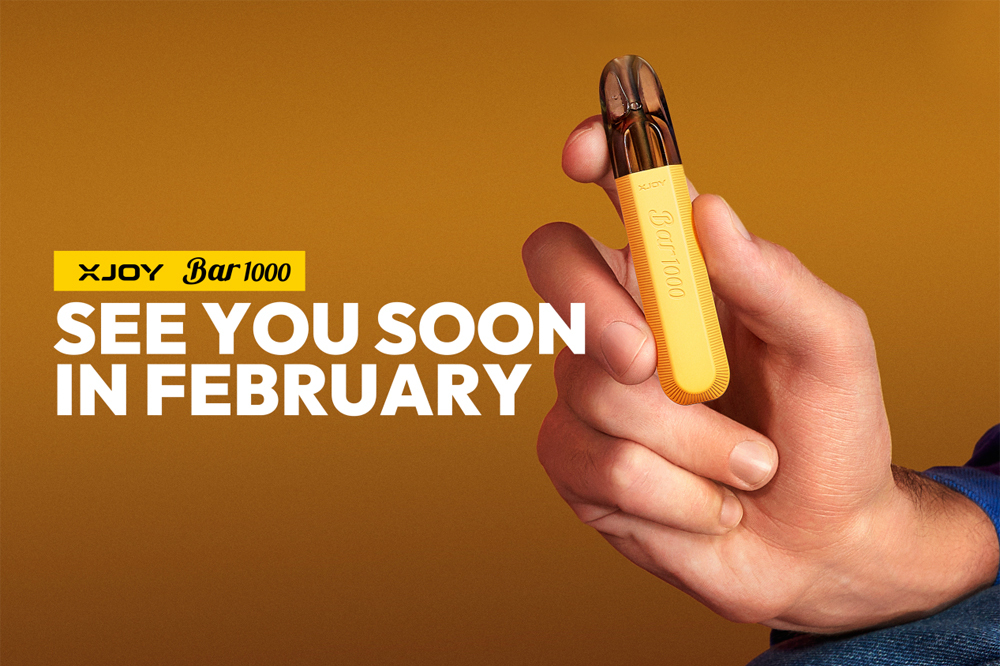
Smoore evidently has high expectations for FEELM 2.0. Looking back at 2023, Smoore announced the iteration of FEELM technology halfway through the year, followed by another announcement at the year-end, with a six-month interval between them.
Disposable e-cigarettes have become a significant source of revenue in recent years. The mid-2023 report on future prospects highlights the company's plans to introduce more differentiated disposable innovative products to overseas markets in the second half of 2023, aiming to further drive revenue growth. However, there are uncertainties surrounding the realization of this vision in 2024.
In the UK market, Smoore is set to undergo a category transition alongside many domestic disposable brands in the near future. With FEELM as its technological solution, Smoore has the potential to transition from disposable e-cigarettes to open or pod-based products. However, there is a possibility that it may face pressure from the brand itself in the short term.
However, the e-cigarette standards in the UK actually originate from the European Union's Tobacco Products Directive (TPD). Within EU countries where a ban on disposable e-cigarettes has not been implemented, there is still significant room for the advancement of FEELM 2.0 technology.
Therefore, the future question is whether EU countries will implement a ban on disposable e-cigarettes or prohibit disposable products in the latest Tobacco Products Directive (TPD). Apart from the known ban on disposable e-cigarettes in France, the stance of EU countries like Germany towards disposable e-cigarettes has not deteriorated completely.
From Smoore's perspective, it appears that after the ban is announced, they will quickly roll out new products or technologies to adapt to the market. With continued financial and technological support, Smoore will only experience a temporary setback.
Can Smoore enjoy its "home court advantage"?
However, as disposable e-cigarettes face a ban in the UK and growth becomes sluggish, Smoore still has refillable and open systems as products to fill the market gap, which may have become its "home field advantage".
Can Smoore Claim "Home Field Advantage"?
Currently, Smoore's business has not seen any significant growth in the short term.
The disposable e-cigarette market has encountered setbacks both domestically and internationally. In the United States, the largest market globally, the presence of disposable e-cigarettes has negatively impacted the sales of refillable counterparts. In the first half of 2023, the company achieved revenue of approximately RMB 2 billion, marking a growth of 27.7% compared to the previous year. However, in mainland China, where non-tobacco flavors are completely banned, the company's revenue dropped by 96.3% to around RMB 62.08 million, accounting for a mere 1.2% of the total revenue.
A few years ago, Smoore introduced an open system brand called VAPORESSO. This year, they showcased two open products at the e-cigarette exhibition in Dubai - VAPORESSOCOSS and VAPORESSOECONANO. According to Smoore, "VAPORESSOCOSS breaks the conventional mold by combining features of open systems, disposables, and pod systems, making it an innovative fourth category in the industry."
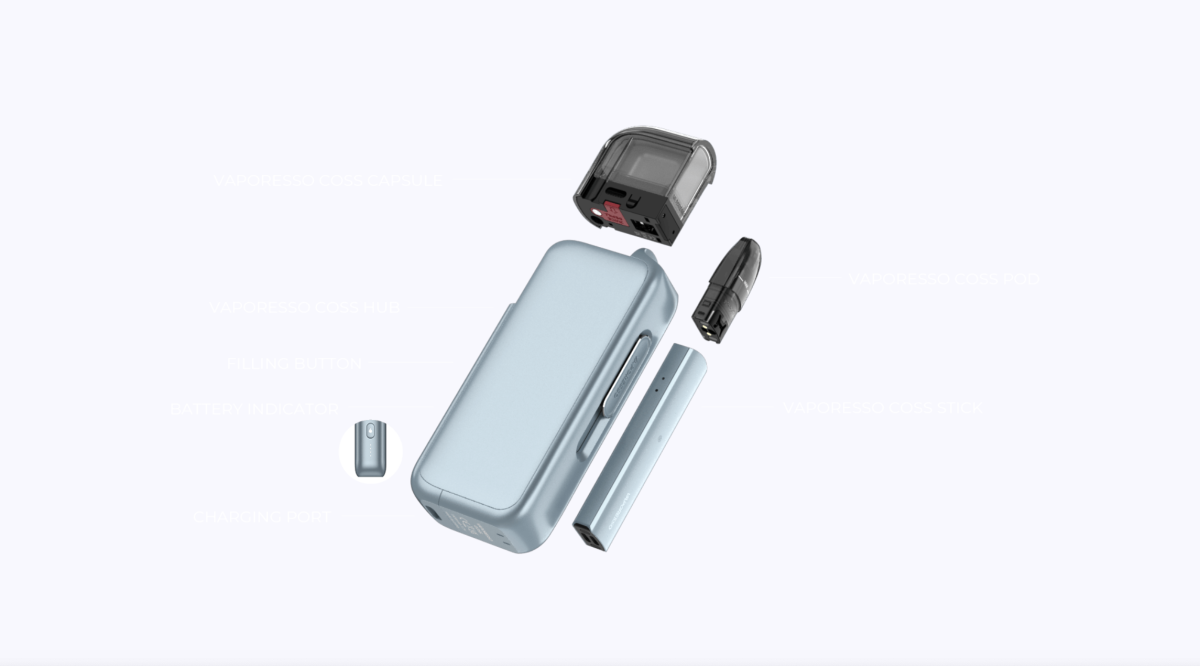
According to Smoore's mid-year report in 2023, its open system catering to retail customers generated a revenue of 640 million yuan, representing a 15.8% increase compared to the same period last year. However, this segment is the smallest in terms of revenue among Smoore's three product categories and did not meet the expected level of growth.
The current situation is that the open audience is small, and the interchangeable products are too tied to existing major customers. Moreover, the market is predominantly facing a "siege" of illegal disposable products. With the loss of the growth engine of disposable products, Smoore's future becomes more uncertain.
Smoore, formerly focusing on pod system products, missed out on the boom of disposable e-cigarettes, only to switch gears and invest in disposable ones when they started showing promise. However, the recent disposable ban in the UK market poses a setback for Smoore's future plans and potential growth.
Click on the image below to read 2FIRSTS's special report.

"UK Disposable E-Cigarette Ban" Series Report
Policy Updates
【1】UK Government Announces Ban on Disposable E-Cigarettes
【2】Original Text of UK Government's Disposable Ban Announcement
Market Dynamics
【1】After UK Disposable Ban: Retailers Clearing Stock, Major Distributors Turning to E-liquids and Open-Systems
【2】UK Announces Disposable E-Cigarette Ban: Smoore and Yinghe Technology Stock Prices Decline
Various Perspectives
【1】Black Market or Opportunity? Insiders' Perspectives on UK Disposable Ban
Business Review
【1】Disposable Ban Impact: Is Smoore's Strategic Layout Empty Again?
We welcome news tips, article submissions, interview requests, or comments on this piece.
Please contact us at info@2firsts.com, or reach out to Alan Zhao, CEO of 2Firsts, on LinkedIn
Notice
1. This article is intended solely for professional research purposes related to industry, technology, and policy. Any references to brands or products are made purely for objective description and do not constitute any form of endorsement, recommendation, or promotion by 2Firsts.
2. The use of nicotine-containing products — including, but not limited to, cigarettes, e-cigarettes, nicotine pouchand heated tobacco products — carries significant health risks. Users are responsible for complying with all applicable laws and regulations in their respective jurisdictions.
3. This article is not intended to serve as the basis for any investment decisions or financial advice. 2Firsts assumes no direct or indirect liability for any inaccuracies or errors in the content.
4. Access to this article is strictly prohibited for individuals below the legal age in their jurisdiction.
Copyright
This article is either an original work created by 2Firsts or a reproduction from third-party sources with proper attribution. All copyrights and usage rights belong to 2Firsts or the original content provider. Unauthorized reproduction, distribution, or any other form of unauthorized use by any individual or organization is strictly prohibited. Violators will be held legally accountable.
For copyright-related inquiries, please contact: info@2firsts.com
AI Assistance Disclaimer
This article may have been enhanced using AI tools to improve translation and editorial efficiency. However, due to technical limitations, inaccuracies may occur. Readers are encouraged to refer to the cited sources for the most accurate information.
We welcome any corrections or feedback. Please contact us at: info@2firsts.com