Key points:
·The e-cigarette industry is urging the Fourth Circuit Court of Appeals to block a sales ban on e-cigarettes in North Carolina.
·The ban was pushed by Reynolds American Inc. and aims to combat e-cigarette products that help people quit smoking.
·The industry argues that the law infringes on federal power and violates the supremacy clause of the U.S. Constitution.
·The court had previously denied the industry's request for an injunction, but the industry is now appealing.
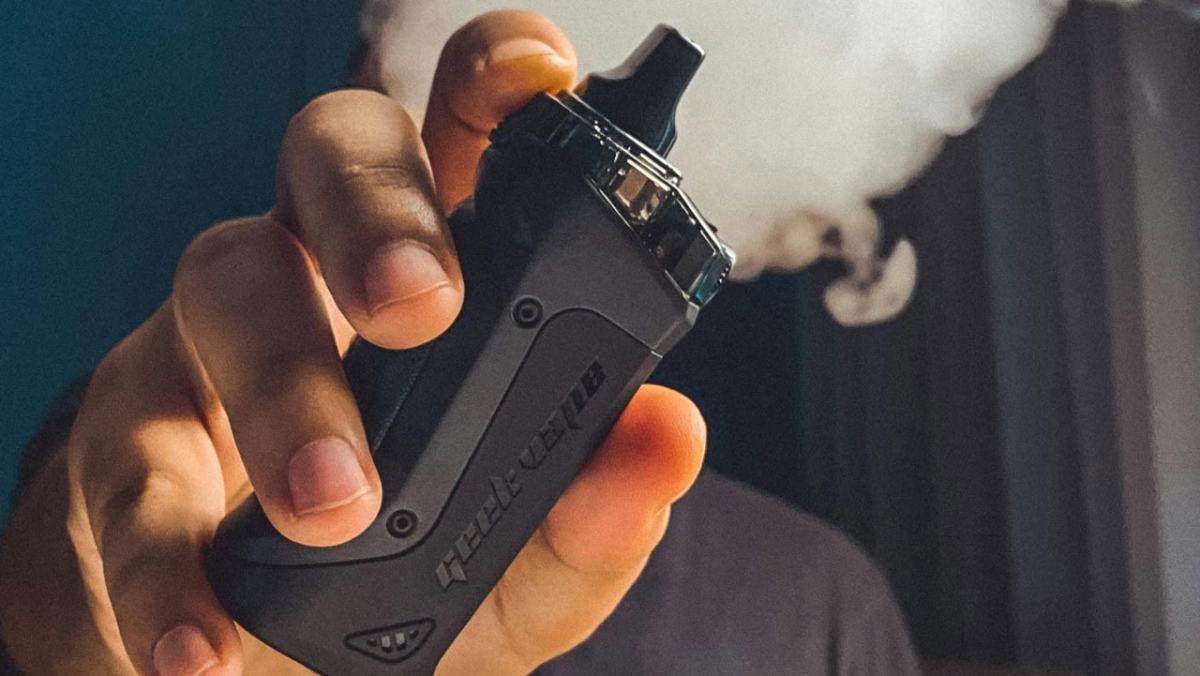
【2Firsts News Flash】According to a report by Law360 on July 14, e-cigarette stakeholders in the United States are urging the Fourth Circuit Court of Appeals to temporarily block North Carolina officials from enforcing a law that could prevent the sale of multiple e-cigarette products in the state. They claim that the law, which they say is supported by tobacco giant Reynolds American Inc., targets products that help people quit smoking.
The American Vaping Association (VTA) and its co-plaintiffs argue that the law (Senate Bill 31 of 2024) gives state tax officials the authority to fine e-cigarette retailers, wholesalers, and manufacturers who do not have authorization from the US Food and Drug Administration (FDA). However, states cannot enforce FDA regulations because it infringes on federal power, violating the supremacy clause of the US Constitution, stakeholders in the e-cigarette industry claim in a filing submitted to the Fourth Circuit Court of Appeals.
The plaintiffs in the e-cigarette industry are asking the court to block the state law from taking effect so they can challenge it in federal court. They believe that their arguments may likely succeed on the merits and that their businesses will suffer if the law goes into effect, so they argue that an injunction is appropriate.
“The plaintiff sells mostly electronic nicotine delivery systems in their professional e-cigarette store that have not yet received FDA market authorization and therefore do not qualify for inclusion in the [North Carolina] directory. Without the sales revenue from these products, the appellant would face the risk of business closure, employee layoffs, and potential bankruptcy.”
Motion was made during the meeting.
The plaintiffs in the e-cigarette industry claim that this law gives the state tax department the power to fine retailers and manufacturers of e-cigarettes who sell products not authorized by the FDA. According to court records, retailers selling these unapproved products could face fines up to $5,000, as well as other penalties such as temporary suspension of their license, complete revocation of their license, and confiscation of products.
We welcome news tips, article submissions, interview requests, or comments on this piece.
Please contact us at info@2firsts.com, or reach out to Alan Zhao, CEO of 2Firsts, on LinkedIn
Notice
1. This article is intended solely for professional research purposes related to industry, technology, and policy. Any references to brands or products are made purely for objective description and do not constitute any form of endorsement, recommendation, or promotion by 2Firsts.
2. The use of nicotine-containing products — including, but not limited to, cigarettes, e-cigarettes, nicotine pouchand heated tobacco products — carries significant health risks. Users are responsible for complying with all applicable laws and regulations in their respective jurisdictions.
3. This article is not intended to serve as the basis for any investment decisions or financial advice. 2Firsts assumes no direct or indirect liability for any inaccuracies or errors in the content.
4. Access to this article is strictly prohibited for individuals below the legal age in their jurisdiction.
Copyright
This article is either an original work created by 2Firsts or a reproduction from third-party sources with proper attribution. All copyrights and usage rights belong to 2Firsts or the original content provider. Unauthorized reproduction, distribution, or any other form of unauthorized use by any individual or organization is strictly prohibited. Violators will be held legally accountable.
For copyright-related inquiries, please contact: info@2firsts.com
AI Assistance Disclaimer
This article may have been enhanced using AI tools to improve translation and editorial efficiency. However, due to technical limitations, inaccuracies may occur. Readers are encouraged to refer to the cited sources for the most accurate information.
We welcome any corrections or feedback. Please contact us at: info@2firsts.com