Key Points:
- FDA awards first-ever National Priority Vouchers — Nine drugs selected for accelerated review, including Cytisinicline for nicotine vaping addiction.
- Review timeline significantly reduced — From the standard 10–12 months to just 1–2 months, boosting regulatory efficiency for innovative therapies.
- Cytisinicline targets vaping addiction — Developed by Achieve Life Sciences, the drug has already received Breakthrough Therapy Designation.
- Potential first treatment for e-cigarette dependence — Could fill a critical gap in therapies addressing nicotine vaping addiction.
- Public health priorities emphasized — The CNPV program focuses on addiction treatment, chronic disease prevention, and strengthening domestic pharmaceutical manufacturing.
October 20, 2025 — 2Firsts, Washington D.C. — The U.S. Food and Drug Administration (FDA) has announced nine drugs selected under its new Commissioner’s National Priority Voucher (CNPV) pilot program, aimed at expediting the review of medicines and biologics that address critical national public health challenges.
According to the FDA, selected products must demonstrate strong potential to meet large unmet medical needs, reduce healthcare system burden, address public health crises, strengthen domestic manufacturing, or improve drug affordability through Most Favored Nation pricing mechanisms.
Among the inaugural recipients is Cytisinicline, a plant-derived compound being developed as a treatment for nicotine vaping addiction, a growing health concern in the United States.
Accelerated Review and Regulatory Focus
The CNPV program shortens the standard drug review timeline from 10–12 months to 1–2 months.
Selected sponsors will receive more frequent communication and regulatory guidance throughout the review process.
FDA scientists, however, retain the authority to extend the review period if an application is incomplete, manufacturing violations are found, or additional evaluation is deemed necessary.
FDA Commissioner Dr. Marty Makary said the initiative reflects the agency’s goal to “modernize the review process and accelerate access to therapies that have a meaningful impact on public health.”
Cytisinicline: A Potential First for Vaping Addiction Treatment
Cytisinicline, developed by Achieve Life Sciences, is a plant-based alkaloid that binds to nicotinic acetylcholine receptors in the brain, helping reduce withdrawal symptoms and the rewarding effects of nicotine.
In July 2025, the FDA granted Cytisinicline Breakthrough Therapy Designation for treating nicotine vaping addiction.
If ultimately approved, it would become the first medication specifically indicated for e-cigarette dependence, addressing a major unmet need in addiction treatment.
Other Drugs Selected
Pergoveris – Infertility treatment
Teplizumab – Type 1 diabetes
DB-OTO – Genetic deafness
Cenegermin-bkbj – Blindness
RMC-6236 – Pancreatic cancer
Bitopertin – Porphyria
Ketamine – Domestic manufacturing of general anesthesia drugs
Augmentin XR – Domestic production of a common antibiotic
The FDA said it plans to announce another group of National Priority Voucher recipients in the coming months.
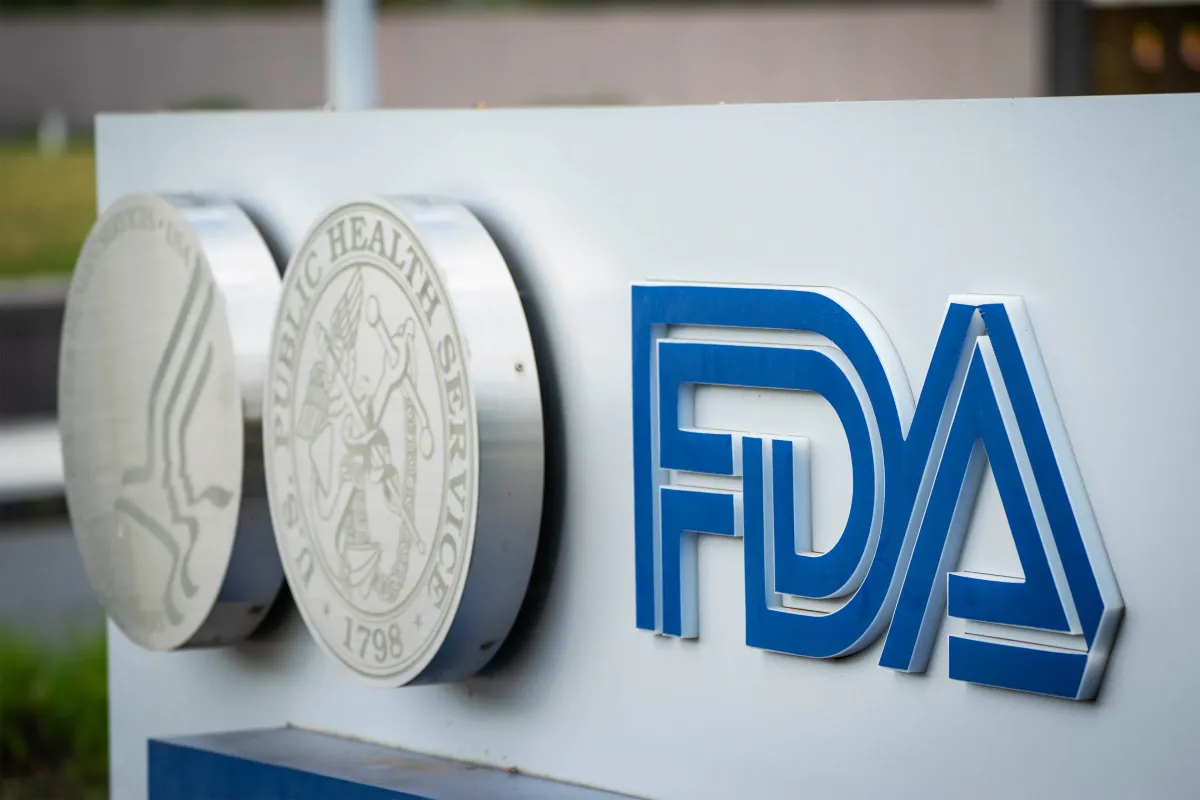
Cover image: KFF Health News
We welcome news tips, article submissions, interview requests, or comments on this piece.
Please contact us at info@2firsts.com, or reach out to Alan Zhao, CEO of 2Firsts, on LinkedIn
Notice
1. This article is intended solely for professional research purposes related to industry, technology, and policy. Any references to brands or products are made purely for objective description and do not constitute any form of endorsement, recommendation, or promotion by 2Firsts.
2. The use of nicotine-containing products — including, but not limited to, cigarettes, e-cigarettes, nicotine pouchand heated tobacco products — carries significant health risks. Users are responsible for complying with all applicable laws and regulations in their respective jurisdictions.
3. This article is not intended to serve as the basis for any investment decisions or financial advice. 2Firsts assumes no direct or indirect liability for any inaccuracies or errors in the content.
4. Access to this article is strictly prohibited for individuals below the legal age in their jurisdiction.
Copyright
This article is either an original work created by 2Firsts or a reproduction from third-party sources with proper attribution. All copyrights and usage rights belong to 2Firsts or the original content provider. Unauthorized reproduction, distribution, or any other form of unauthorized use by any individual or organization is strictly prohibited. Violators will be held legally accountable.
For copyright-related inquiries, please contact: info@2firsts.com
AI Assistance Disclaimer
This article may have been enhanced using AI tools to improve translation and editorial efficiency. However, due to technical limitations, inaccuracies may occur. Readers are encouraged to refer to the cited sources for the most accurate information.
We welcome any corrections or feedback. Please contact us at: info@2firsts.com