Key Point
- FDA Releases New Draft Guidance on Flavored E-Cigarette Review: The document is a draft distributed for comment purposes, aimed at clarifying how the FDA evaluates issues related to youth risk in the PMTA review of flavored e-cigarettes.
- Basic Stance Remains Unchanged: The document reiterates that flavored e-cigarettes generally pose a higher risk to youth than tobacco-flavored products, and applicants must demonstrate not only that they are beneficial to adult smokers, but also offer an added benefit over tobacco-flavored products.
- Explicit Introduction of "Risk-Proportionate Evaluation by Flavor": The FDA stated that different non-tobacco flavors have varying levels of appeal to youth, so the required magnitude of adult benefit to be proven will also vary. The higher the risk, the higher the evidentiary burden.
- Flavor Risks: Fruit and candy/sweet flavors remain high-risk categories and face the highest evidentiary burden; meanwhile, menthol, mint, and certain coffee, tea, and spice flavors are granted a limited space for argumentation.
- Technological Restrictions Cannot Replace Substantive Evidence: Companies can prove the relatively lower appeal of a certain flavor through sensory perception and consumer response studies. However, relying solely on device access restriction (DAR) technologies, such as fingerprint recognition and geofencing, is generally insufficient to offset the youth risk posed by high-risk flavors.
2Firsts, March 10, 2026
On March 9, the U.S. Food and Drug Administration (FDA) issued an industry draft guidance document regarding Premarket Tobacco Product Applications (PMTAs) for flavored electronic cigarettes. It reiterates that fruit flavors, as well as candy, dessert, and other sweet products, pose a "substantial public health risk" to youth. If such products seek marketing authorization, they bear a correspondingly high evidentiary burden.
This draft, titled Flavored Electronic Nicotine Delivery Systems (ENDS) Premarket Applications – Considerations Related to Youth Risk, was published by the FDA's Center for Tobacco Products in March 2026. It is a draft for comment purposes only and is not legally binding. The document states that its purpose is to assist applicants in submitting and refining their ENDS PMTAs more efficiently and reflects the FDA's current thinking on reviews.
According to the document, the FDA's core review standard for e-cigarette products has not changed. Applicants must demonstrate that permitting the marketing of the product is "appropriate for the protection of the public health" (APPH), meaning its potential benefits to adult combustible cigarette users must outweigh the potential risks to non-users, such as youth.
The FDA stated that flavored ENDS pose a higher risk to youth compared to tobacco-flavored products. Therefore, applicants must not only show that the flavored products are beneficial to adults but also prove that they offer an added public health benefit compared to tobacco-flavored products. This approach "remains unchanged" and was affirmed by the U.S. Supreme Court in the FDA v. Wages and White Lion case.
However, this draft further addresses a more specific question: how much of an added adult benefit must different flavored products demonstrate to pass the review? The FDA stated that going forward, it will proportionately weigh the required magnitude of adult benefit based on the level of risk a particular flavor poses for youth initiation and continued use. The document notes that flavors with a higher risk to youth require a correspondingly higher level of proven adult benefit.
Under this framework, fruit flavors, as well as candy, dessert, and other sweet flavors, are still placed in the high-risk category.
The FDA pointed out that these products pose a substantial public health risk to American youth and therefore continue to face a high evidentiary threshold. The document also noted that while the FDA has issued marketing granted orders for tobacco- and menthol-flavored e-cigarette products, it has not identified any flavor product that is "highly appealing to youth" that has submitted sufficient evidence of public health benefit to overcome the risk to youth.
At the same time, the FDA stated that certain flavors may show relatively lower youth appeal. The draft mentions that menthol, mint, and certain "novel flavors" such as spices may pose lower risks of youth initiation and use compared to fruit and sweet products.
The document also noted that flavors like coffee, tea, or spices, if shown to have lower youth appeal, might theoretically meet the review standard even if the added adult benefit they bring compared to tobacco-flavored products is "relatively small."
Regarding potential adult benefits, the FDA maintained cautious wording in the document. The draft states that flavored e-cigarettes may, in certain circumstances, help adult smokers transition away from combustible cigarettes, increase quit attempts, maintain complete switching, or reduce cigarette consumption. However, it also points out that much of the available evidence is subject to methodological limitations, and the FDA will evaluate the "totality of scientific evidence" rather than making conclusions based on a single study or preference survey.
In terms of evidence-gathering methods, the FDA recommends that applicants submit scientifically valid evidence characterizing the relative appeal of their proposed products among youth, young adults, and adults.
The document specifically mentions the use of sensory perception and consumer response studies, including blinded sensory panel assessments, to evaluate the relative appeal of different flavor formulations without requiring actual product use. The FDA also recommends including benchmark flavors such as tobacco, fruit, and candy in these studies for comparison.
The draft also discussed device access restrictions (DAR), such as fingerprint recognition, biometric unlocking, and geofencing.
The FDA stated that while such technologies may be a component of a comprehensive youth prevention strategy, relying on them alone is generally insufficient to mitigate the risks associated with highly youth-appealing flavors.
For high-risk flavors like fruit, candy, and desserts, if an applicant purports to rely solely on DAR to reduce youth risk, they will face an "especially high" evidentiary burden.
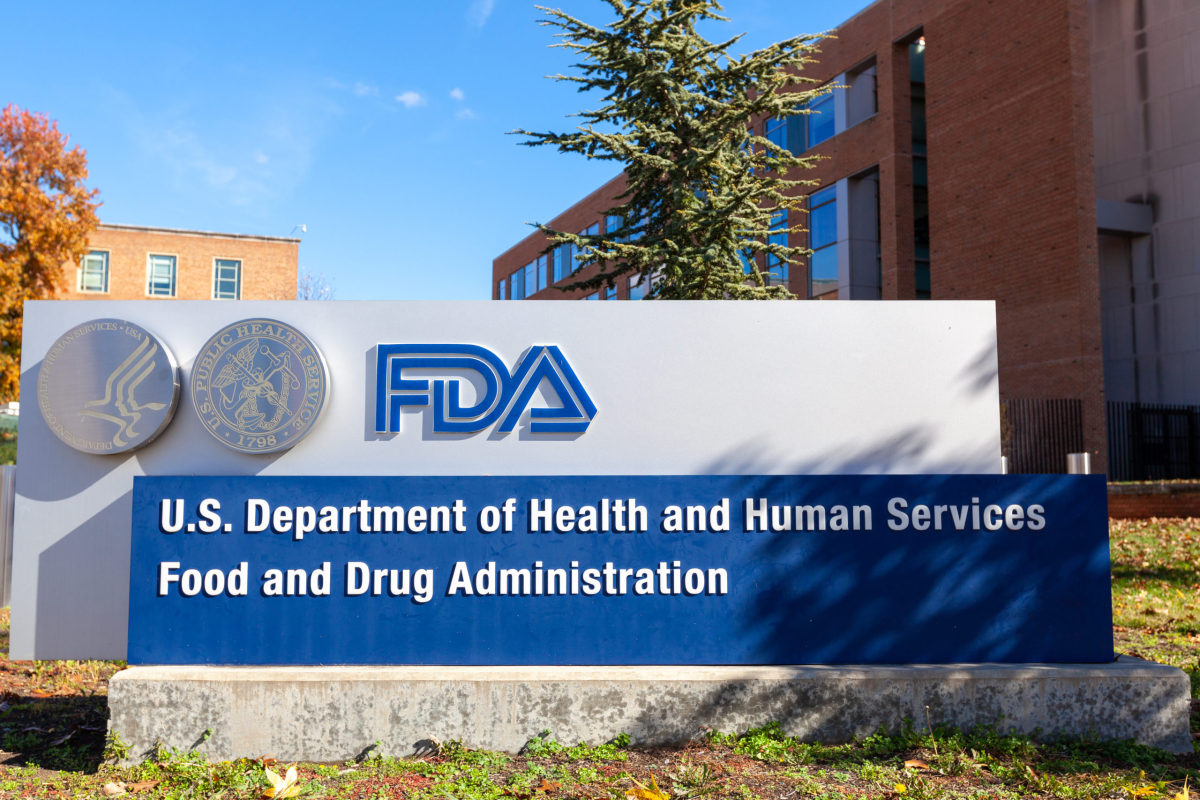
Image source: FDA
Further reading:

We welcome news tips, article submissions, interview requests, or comments on this piece.
Please contact us at info@2firsts.com, or reach out to Alan Zhao, CEO of 2Firsts, on LinkedIn
Notice
1. This article is intended solely for professional research purposes related to industry, technology, and policy. Any references to brands or products are made purely for objective description and do not constitute any form of endorsement, recommendation, or promotion by 2Firsts.
2. The use of nicotine-containing products — including, but not limited to, cigarettes, e-cigarettes, nicotine pouchand heated tobacco products — carries significant health risks. Users are responsible for complying with all applicable laws and regulations in their respective jurisdictions.
3. This article is not intended to serve as the basis for any investment decisions or financial advice. 2Firsts assumes no direct or indirect liability for any inaccuracies or errors in the content.
4. Access to this article is strictly prohibited for individuals below the legal age in their jurisdiction.
Copyright
This article is either an original work created by 2Firsts or a reproduction from third-party sources with proper attribution. All copyrights and usage rights belong to 2Firsts or the original content provider. Unauthorized reproduction, distribution, or any other form of unauthorized use by any individual or organization is strictly prohibited. Violators will be held legally accountable.
For copyright-related inquiries, please contact: info@2firsts.com
AI Assistance Disclaimer
This article may have been enhanced using AI tools to improve translation and editorial efficiency. However, due to technical limitations, inaccuracies may occur. Readers are encouraged to refer to the cited sources for the most accurate information.
We welcome any corrections or feedback. Please contact us at: info@2firsts.com