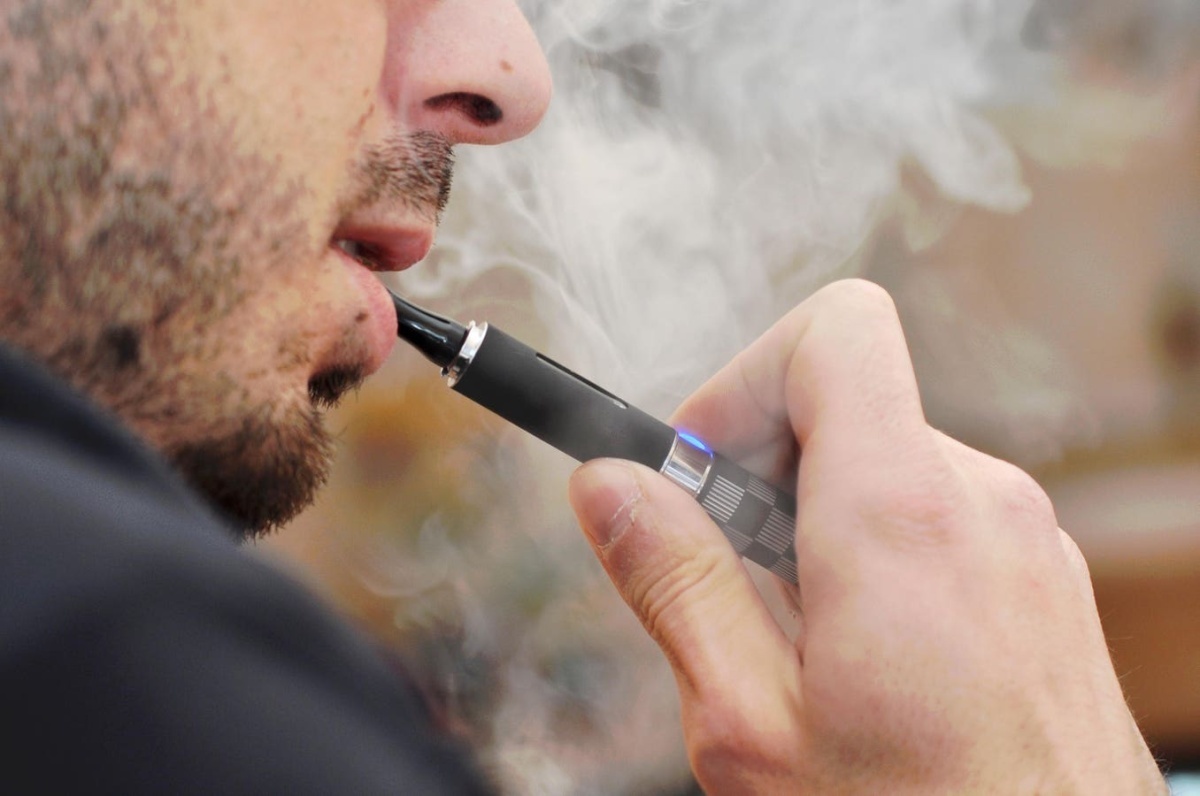
According to the latest report from Forbes, e-cigarettes can help people quit smoking, even more successfully than traditional methods like nicotine patches. Recent experimental results published in an emergency medical journal show that among nearly 1000 smokers waiting in the emergency rooms of six hospitals in the UK, those who were given e-cigarettes were more likely to successfully quit smoking compared to those who only received written guidance for quitting. The success rate of those who received e-cigarettes was 76% higher.
According to a recent study published in the Emergency Medicine Journal, individuals who were provided with free e-cigarettes were more likely to quit smoking compared to those who only received paper promotional materials. The study, which involved nearly 1000 smokers in the emergency rooms of six hospitals in the UK, found that those who received e-cigarettes had a 76% higher likelihood of quitting smoking.
In addition to providing e-cigarette starter kits, researchers also offered smoking cessation advice to participants and guided them to local "quit smoking services." As a control group, some individuals only received written recommendations about local "quit smoking services." The study results showed that six months later, nearly a quarter of those who received e-cigarettes reported that they had quit smoking, which was significantly higher compared to the 13% in the control group.
Research findings further demonstrate that even among individuals who use e-cigarettes but have not quit smoking, they still have a higher likelihood of trying to quit smoking compared to the control group. Their daily cigarette consumption is also lower than when they initially started using e-cigarettes. The final cessation rates for both groups are relatively low, with a cessation rate of 7.2% for those who use e-cigarettes and 4.1% for the control group, as confirmed by carbon monoxide breath tests.
Although e-cigarettes pose certain risks, they are much less harmful compared to smoking tobacco. Caitlin Notley, a research fellow at the University of East Anglia and one of the study's lead authors, stated in a press release, "We know that e-cigarettes are far less harmful than smoking tobacco, and they have been shown to help smokers quit.
Another researcher from the University of East Anglia, Ian Pope, stated: "In 2019, smoking caused nearly 75,000 deaths in the UK, making it the leading cause of preventable deaths and diseases in the country. Switching to e-cigarettes could save thousands of lives." The team believes that if their plan is widely implemented, it could help over 22,000 people successfully quit smoking every year.
In addition to supporting the use of e-cigarettes as a smoking cessation tool, the trial also demonstrated the possibility of conducting interventions in hospital emergency departments. Pop said, "The emergency department provides an opportunity to reach those who may not have the motivation to quit smoking, or may lack the knowledge or resources to access 'quit smoking services'." Most participants in the trial lived in impoverished areas, where more people are unemployed or unable to work due to illness or disability, so this approach could potentially help more disadvantaged communities."
Lion Shahab, co-director of the Tobacco and Alcohol Research Group at University College London, praised the study, describing it as a way to achieve "brief interventions" that can be easily implemented within existing healthcare services to make use of waiting times. The researcher, who was not involved in the trial, stated in a press release that this approach could have a positive impact on reducing health inequalities.
We welcome news tips, article submissions, interview requests, or comments on this piece.
Please contact us at info@2firsts.com, or reach out to Alan Zhao, CEO of 2Firsts, on LinkedIn
Notice
1. This article is intended solely for professional research purposes related to industry, technology, and policy. Any references to brands or products are made purely for objective description and do not constitute any form of endorsement, recommendation, or promotion by 2Firsts.
2. The use of nicotine-containing products — including, but not limited to, cigarettes, e-cigarettes, nicotine pouchand heated tobacco products — carries significant health risks. Users are responsible for complying with all applicable laws and regulations in their respective jurisdictions.
3. This article is not intended to serve as the basis for any investment decisions or financial advice. 2Firsts assumes no direct or indirect liability for any inaccuracies or errors in the content.
4. Access to this article is strictly prohibited for individuals below the legal age in their jurisdiction.
Copyright
This article is either an original work created by 2Firsts or a reproduction from third-party sources with proper attribution. All copyrights and usage rights belong to 2Firsts or the original content provider. Unauthorized reproduction, distribution, or any other form of unauthorized use by any individual or organization is strictly prohibited. Violators will be held legally accountable.
For copyright-related inquiries, please contact: info@2firsts.com
AI Assistance Disclaimer
This article may have been enhanced using AI tools to improve translation and editorial efficiency. However, due to technical limitations, inaccuracies may occur. Readers are encouraged to refer to the cited sources for the most accurate information.
We welcome any corrections or feedback. Please contact us at: info@2firsts.com