Key Points:
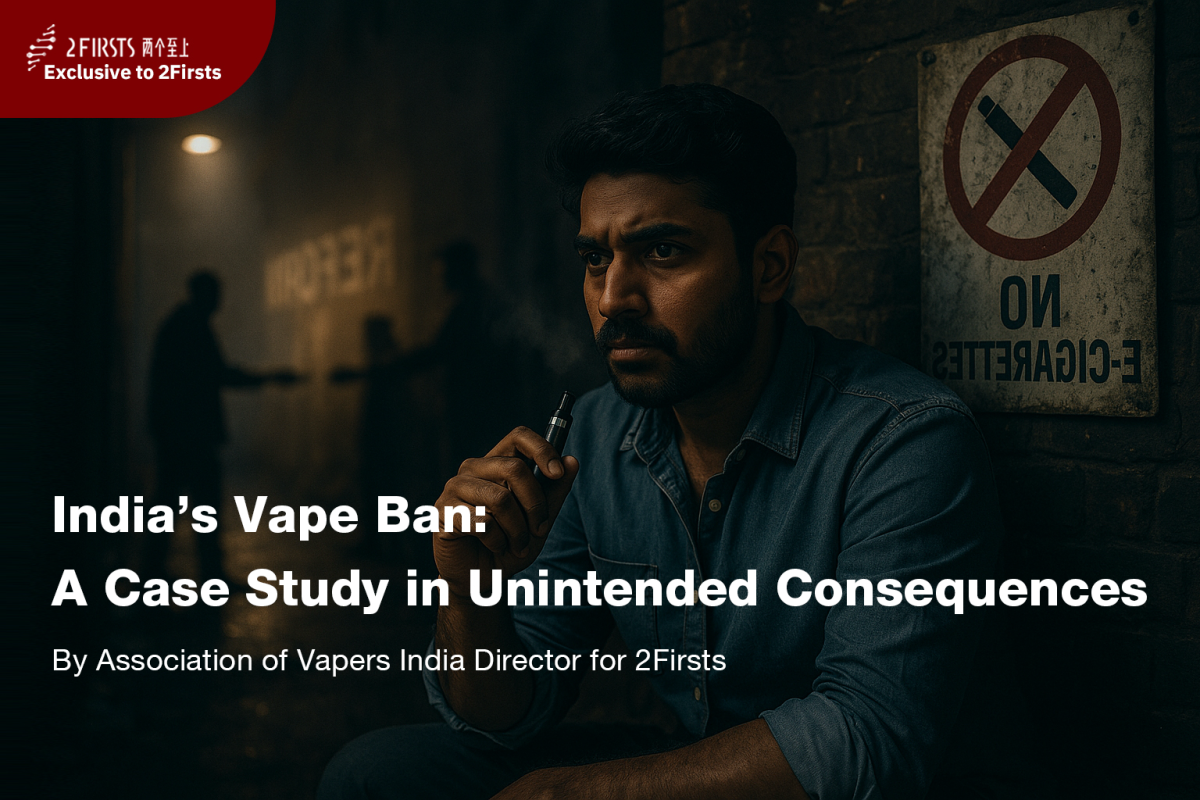
·Ban in Place: Since 2019, India has enforced the Prohibition of Electronic Cigarettes Act (PECA), which bans the manufacture, sale, distribution, import, and advertisement of e-cigarettes nationwide.
·Widespread Online Sales: Hundreds of websites and social media accounts openly sell banned vaping products, with inadequate regulatory oversight.
·Health Warnings from Experts: Medical professionals warn that e-cigarettes cause respiratory symptoms, psychological issues, and cardiovascular risks, with adolescents particularly vulnerable.
·Calls from Advocacy Groups: Organizations like Mothers Against Vaping urge the government to tighten control over digital platforms, ban enticing packaging and flavors, and promote parental education and public awareness campaigns.
·Policy Recommendations: Public health advocates suggest India learn from international experiences by enhancing enforcement, blocking online channels, implementing plain packaging, and advancing youth education.
【2Firsts News Flash】According to a report by Indian Express on July 8, Indian medical experts have expressed deep concern over the growing use of e-cigarettes and related devices among children and adolescents. Supported by the advocacy group Mothers Against Vaping (MAV), the experts warn that electronic nicotine delivery devices are increasingly exacerbating health risks. Although the country introduced a ban in 2019, black market and online sales remain rampant, and weak enforcement has allowed the problem to worsen.
“People generally believe e-cigarettes are safer than smoking, which is completely false. E-cigarettes can immediately cause coughing, shortness of breath, dry throat, and headaches. More worrying, they raise blood pressure, increase heart rate, and can trigger heart disease,” said Dr. KK Handa from Medanta Hospital, New Delhi.
Dr. Handa added that long-term use damages the lungs, contributes to anxiety and depression, and carries physical risks due to possible device explosions.
Dr. Harish Bhatia from MGS Super Specialty Hospital pointed out that these devices harm adolescents’ lungs, reduce their stamina and immunity, and increase susceptibility to infections. He called for urgent intervention, emphasizing that healthy lungs are critical for the future of India’s youth.
Mothers Against Vaping is a group of concerned parents working to curb the rising use of e-cigarettes among young people. The organization urges the Indian government to take stronger action against marketing and distribution of vaping products, especially on digital platforms.
Despite the nationwide ban under PECA, e-cigarette products remain widely available online and in underground markets. Recent investigations reveal hundreds of Indian websites and social media pages openly selling banned vaping products.
The law prohibits manufacture, sale, distribution, import, and advertising of e-cigarettes. First-time offenders face fines up to ₹100,000 (approximately $1,197) and one year imprisonment, while repeat offenders risk fines up to ₹500,000 (about $5,985) and three years imprisonment. Possession can lead to fines up to ₹50,000 (approximately $599) and six months imprisonment.
However, enforcement remains weak. Reports show seizures of e-cigarettes worth over ₹40 million (approximately $479,042) in 2024, yet online sales and advertising continue to thrive with minimal regulatory action.
Though India’s e-cigarette ban is among the strictest worldwide on paper, its poor enforcement undermines effectiveness. Public health advocates stress the need for India to adopt international best practices by aggressively targeting digital sales, banning flavored e-cigarettes, mandating plain packaging, and launching large-scale awareness campaigns to educate youth and families.
We welcome news tips, article submissions, interview requests, or comments on this piece.
Please contact us at info@2firsts.com, or reach out to Alan Zhao, CEO of 2Firsts, on LinkedIn
Notice
1. This article is intended solely for professional research purposes related to industry, technology, and policy. Any references to brands or products are made purely for objective description and do not constitute any form of endorsement, recommendation, or promotion by 2Firsts.
2. The use of nicotine-containing products — including, but not limited to, cigarettes, e-cigarettes, nicotine pouchand heated tobacco products — carries significant health risks. Users are responsible for complying with all applicable laws and regulations in their respective jurisdictions.
3. This article is not intended to serve as the basis for any investment decisions or financial advice. 2Firsts assumes no direct or indirect liability for any inaccuracies or errors in the content.
4. Access to this article is strictly prohibited for individuals below the legal age in their jurisdiction.
Copyright
This article is either an original work created by 2Firsts or a reproduction from third-party sources with proper attribution. All copyrights and usage rights belong to 2Firsts or the original content provider. Unauthorized reproduction, distribution, or any other form of unauthorized use by any individual or organization is strictly prohibited. Violators will be held legally accountable.
For copyright-related inquiries, please contact: info@2firsts.com
AI Assistance Disclaimer
This article may have been enhanced using AI tools to improve translation and editorial efficiency. However, due to technical limitations, inaccuracies may occur. Readers are encouraged to refer to the cited sources for the most accurate information.
We welcome any corrections or feedback. Please contact us at: info@2firsts.com