Indonesian Customs Burns Over 6.6 Million Illegal Cigarettes

Regulations by 2FIRSTS.ai
Dec.28.2023
Indonesian Customs Burns Over 6.6 Million Illegal Cigarettes
Indonesian customs on Badan Island burn over 6.6 million illegal cigarettes worth IDR 540 million ($38,000).

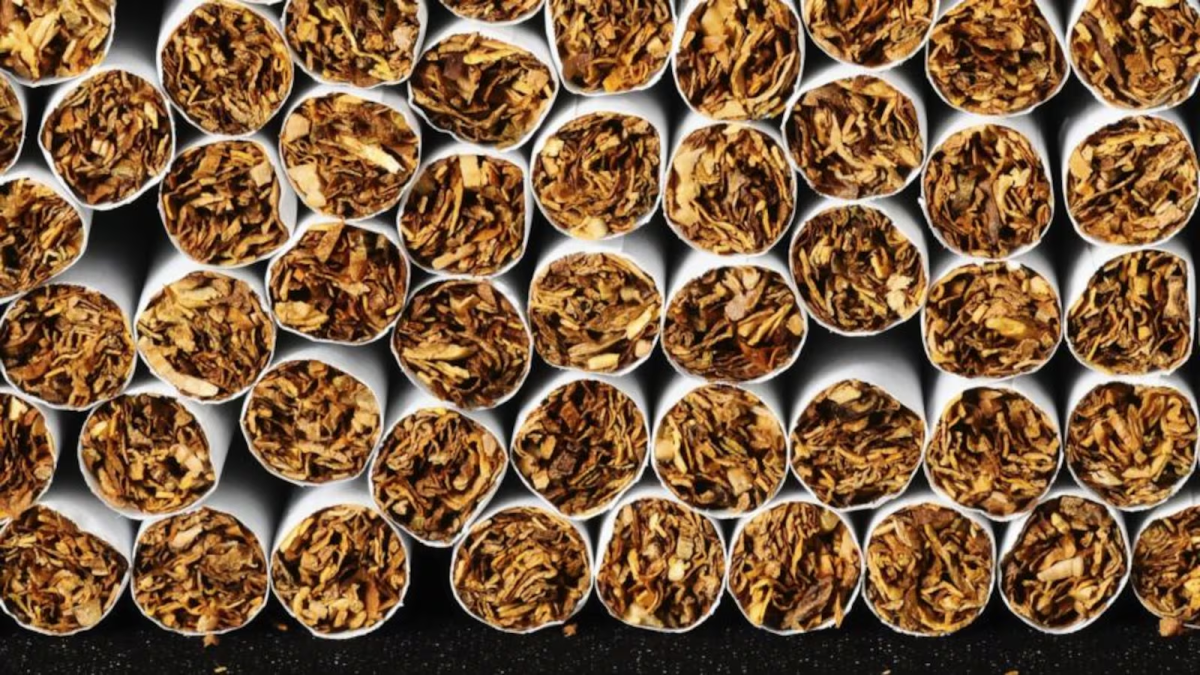
According to a report by Bisnis.com on December 28th, the Batam Island customs in Indonesia have incinerated over 6.6 million illicit cigarettes. The destroyed cigarettes, ranging from 2015 to 2023, were valued at 540 million rupees.


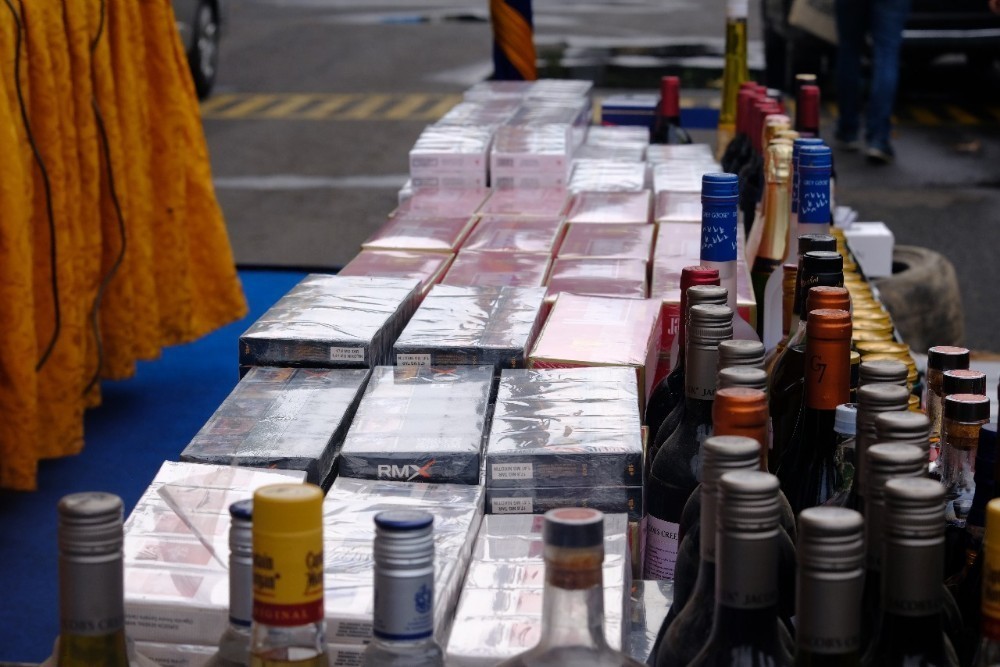
Rizal, the chief of customs on Bintan Island, stated that in addition to illegal cigarettes, other items that were destroyed also included alcoholic beverages, electrical goods, tires, and adult products.


According to Leesa, in addition to over 6.6 million illicit cigarettes and over 6 kilograms of tobacco products, the Batam Island customs also destroyed over 6,000 bottles of alcoholic beverages, nearly 1,000 used tires, over 900 mobile phones and computers, as well as over 400 adult products. The estimated total value of the destroyed items is approximately 7.9 billion rupees.


Lisa emphasised that the destruction of these items is in accordance with regulations. She regards the disposal of this batch of goods as a measure taken by customs to protect the public from the infringement of illegal merchandise.


We welcome news tips, article submissions, interview requests, or comments on this piece.

Please contact us at info@2firsts.com, or reach out to Alan Zhao, CEO of 2Firsts, on LinkedIn


Notice

1.  This article is intended solely for professional research purposes related to industry, technology, and policy. Any references to brands or products are made purely for objective description and do not constitute any form of endorsement, recommendation, or promotion by 2Firsts.

2.  The use of nicotine-containing products — including, but not limited to, cigarettes, e-cigarettes, nicotine pouchand heated tobacco products — carries significant health risks. Users are responsible for complying with all applicable laws and regulations in their respective jurisdictions.

3.  This article is not intended to serve as the basis for any investment decisions or financial advice. 2Firsts assumes no direct or indirect liability for any inaccuracies or errors in the content.

4.  Access to this article is strictly prohibited for individuals below the legal age in their jurisdiction.


Copyright


This article is either an original work created by 2Firsts or a reproduction from third-party sources with proper attribution. All copyrights and usage rights belong to 2Firsts or the original content provider. Unauthorized reproduction, distribution, or any other form of unauthorized use by any individual or organization is strictly prohibited. Violators will be held legally accountable.

For copyright-related inquiries, please contact: info@2firsts.com


AI Assistance Disclaimer


This article may have been enhanced using AI tools to improve translation and editorial efficiency. However, due to technical limitations, inaccuracies may occur. Readers are encouraged to refer to the cited sources for the most accurate information.

We welcome any corrections or feedback. Please contact us at: info@2firsts.com

Rethinking Nicotine Harm Reduction: A Neuroscientist’s Perspective on Scientific Gaps and Future Directions — By Dr. Xin-an Liu
After France’s ANSES report on nicotine products and harm reduction, Dr. Xin-an Liu wrote to 2Firsts reassessing the field’s foundations. She argues the debate reveals gaps in evidence on long-term behavioral substitution, addiction pathways and neurobiological impacts, and calls for longitudinal research, integrated behavioral science and neuroimaging, clearer risk assessment and stronger transparency to ensure policy and next-generation product development rest on solid evidence.
Industry Insight
Feb.24
Bangladesh High Court rule targets vape-ban clause; fines up to about $1,635 cited
Bangladesh’s High Court issued a rule asking why Section 6(G) of the Smoking and Tobacco Products Usage (Control) Act, 2005 — which bans the import, supply and sale of vapes and e-cigarettes — should not be declared unconstitutional and illegal.
Mar.02 by 2FIRSTS.ai
Japan to Raise Heated Tobacco Prices From April; BAT Japan Keeps Prices Unchanged for 38 glo Tobacco Stick Products
Japan will implement price increases centered on heated tobacco products from April 1, 2026, following a tobacco tax hike. BAT Japan has decided to keep current prices unchanged for 38 glo-compatible tobacco stick products across the Velo, neo, Lucky Strike, and Kent lines.
Mar.30 by 2FIRSTS.ai
Australia’s Tasmania Tables New Bill to Strengthen Crackdown on Illicit Tobacco and Vapes
The Tasmanian government has tabled the Public Health Amendment (Prohibited Tobacco and Other Products) Bill 2026 in Parliament, proposing new offences, higher penalties and stronger enforcement powers to crack down on illicit tobacco and vaping products.
Mar.25 by 2FIRSTS.ai
Cyprus Bill to Regulate Nicotine Pouches Expected to Reach House Plenary in Early April
A proposed law to regulate nicotine pouches in Cyprus is expected to reach the House plenary session in early April. The bill, submitted by Diko MP Chrysis Pantelidis, aims to establish a regulatory framework governing the marketing, composition and quality of nicotine pouches currently circulating on the market and to incorporate them into existing smoking control legislation.
Mar.13 by 2FIRSTS.ai
Fifth Circuit Upholds FDA’s 2021 PMTA Rule, Citing Statutory Health-Study Requirements
A Fifth Circuit panel upheld the U.S. Food and Drug Administration’s 2021 final rule requiring companies seeking premarket authorization for new tobacco products to include information on health-risk investigations. In a published opinion, the court found FDA satisfied the Regulatory Flexibility Act’s procedural requirements and reasonably relied on the economic analysis from the 2016 “deeming rule” as a factual basis to certify limited impact on small businesses.
Feb.27 by 2FIRSTS.ai