South Korea Busts Etomidate-Laced E-Cigarette Smuggling Ring; Devices Suspected to Serve as Drug Carriers for 2 Million Users

Jul.09.2025
South Korea Busts Etomidate-Laced E-Cigarette Smuggling Ring; Devices Suspected to Serve as Drug Carriers for 2 Million Users
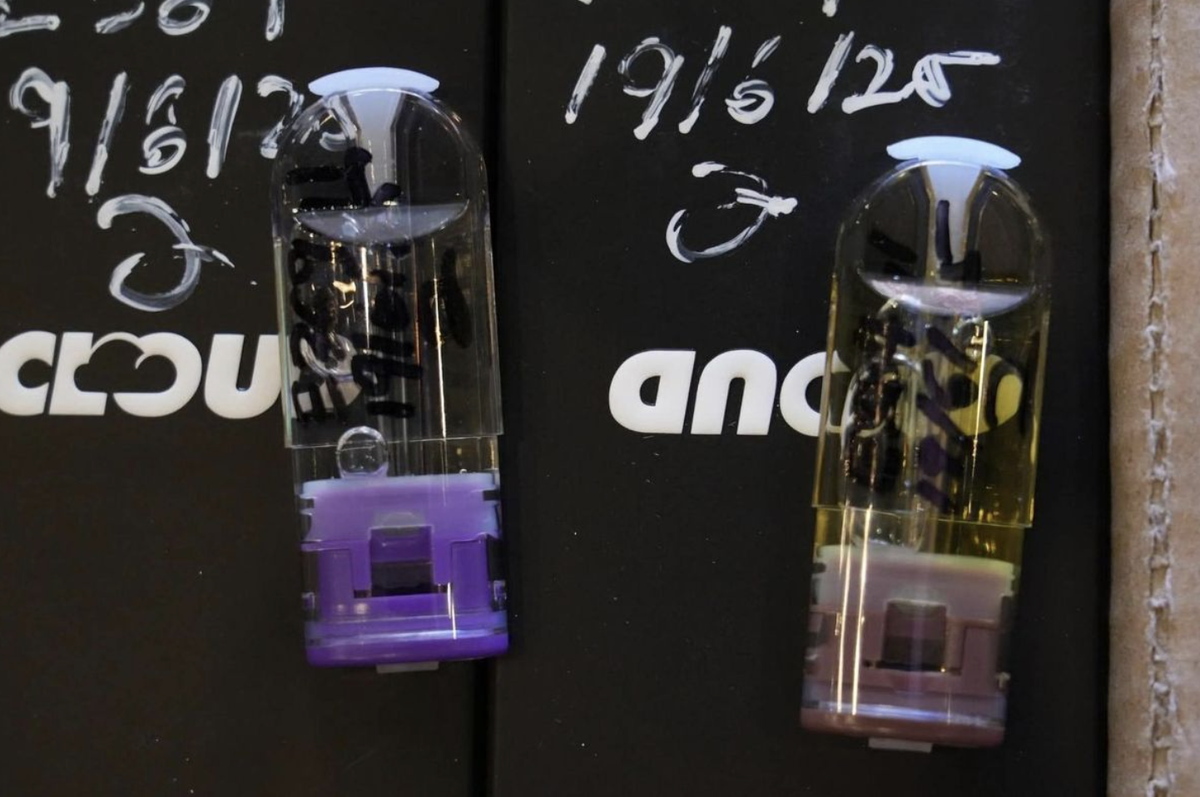
Malaysian authorities and South Korea’s intelligence agency busted an international syndicate smuggling e-cigarettes laced with etomidate and cocaine. The group, led by a 31-year-old Singaporean, planned to traffic 20,000 devices monthly via transit hubs like Malaysia. Large drug hauls and packaging materials were seized, with South Korean intelligence providing key information after monitoring the group since 2023.

Key Points:


·A cooperation between South Korea and Malaysia has led to the bust of an international drug trafficking group smuggling e-cigarettes containing ketamine. 


·A large amount of drugs were seized, and the group planned to smuggle 20,000 related e-cigarettes every month. 


·The ringleader disguised as a South Korean businessman in Seoul, recruiting South Korean students to build a distribution network. 


·South Korean intelligence agencies have been monitoring and providing key information since 2023, leading to the arrest. 


Editor's note: 


In regards to the statement "These four individuals are accused of attempting to smuggle and distribute 20,000 e-cigarettes containing ketamine to South Korea each month through Malaysia and other transit points. The quantity is sufficient for being used by 2 million people at the same time," 2Firsts has determined that the criminal group is suspected of using e-cigarettes as a carrier for drug liquid, rather than directly correlating the complete number of devices to the number of users. In other words, the seized 20,000 e-cigarettes may contain drug liquid that has been repackaged or diluted and distributed to as many as 2 million individuals for use.


【2Firsts News Flash】According to reports from The Korea Times and Yonhap News Agency on July 8th, the National Intelligence Service (NIS) in Seoul, South Korea, in collaboration with Malaysian authorities, has successfully dismantled a drug smuggling operation attempting to bring in 20,000 e-cigarettes containing methamphetamine and cocaine into Korea. Four members of the international drug trafficking group have been arrested, including a 31-year-old Singaporean leader.


These four individuals are accused of attempting to smuggle and distribute 20,000 e-cigarettes containing ethylmethylcathinone to South Korea each month through transit points such as Malaysia. This quantity is enough for 2 million people to use simultaneously.


Propofol is an anesthetic used for sedation and anesthesia. Abuse of illegally mixed propofol can lead to serious health problems, even death.


The Malaysian National Intelligence Agency stated that Malaysian authorities seized 4,958 tubes containing illegal synthetic drugs, enough to supply 500,000 people, as well as thousands of boxes used for packaging.


The intelligence agency identified the leader of an international drug trafficking organization as a suspect for the first time in 2023 while monitoring their activities in the region. Subsequently, the agency dispatched operatives to Malaysia, provided crucial information, and ultimately dismantled his drug cartel.


The leader of the group posed as a South Korean businessman and set up a headhunting company in the Gangnam area of Seoul. The National Intelligence Service stated that he contacted South Korean students studying in Singapore, sold them on the benefits of Methylene, and established a distribution network in that country.


We welcome news tips, article submissions, interview requests, or comments on this piece.

Please contact us at info@2firsts.com, or reach out to Alan Zhao, CEO of 2Firsts, on LinkedIn


Notice

1.  This article is intended solely for professional research purposes related to industry, technology, and policy. Any references to brands or products are made purely for objective description and do not constitute any form of endorsement, recommendation, or promotion by 2Firsts.

2.  The use of nicotine-containing products — including, but not limited to, cigarettes, e-cigarettes, nicotine pouchand heated tobacco products — carries significant health risks. Users are responsible for complying with all applicable laws and regulations in their respective jurisdictions.

3.  This article is not intended to serve as the basis for any investment decisions or financial advice. 2Firsts assumes no direct or indirect liability for any inaccuracies or errors in the content.

4.  Access to this article is strictly prohibited for individuals below the legal age in their jurisdiction.


Copyright


This article is either an original work created by 2Firsts or a reproduction from third-party sources with proper attribution. All copyrights and usage rights belong to 2Firsts or the original content provider. Unauthorized reproduction, distribution, or any other form of unauthorized use by any individual or organization is strictly prohibited. Violators will be held legally accountable.

For copyright-related inquiries, please contact: info@2firsts.com


AI Assistance Disclaimer


This article may have been enhanced using AI tools to improve translation and editorial efficiency. However, due to technical limitations, inaccuracies may occur. Readers are encouraged to refer to the cited sources for the most accurate information.

We welcome any corrections or feedback. Please contact us at: info@2firsts.com

Special Report | Vape bans and tougher rules: the South Caucasus takes different paths
Azerbaijan's sweeping e-cigarette ban has raised concerns over enforcement errors and the emergence of illicit sales, while neighboring Armenia is tightening technical rules and preparing higher excise taxes. Georgia, meanwhile, has resisted calls for broader vape restrictions and introduced preferential taxes for some domestically produced cigarettes. The divergent approaches across the South Caucasus highlight a regional policy dilemma: how to curb nicotine use and protect public health without encouraging black markets or creating unintended economic consequences for businesses and consumers.
Nov.03
EU Tobacco Tax Reform Stalls as Malta Withholds Support Despite Backing From 26 States
EU finance ministers failed to reach agreement on tobacco excise reform at the November 9, 2026 Economic and Financial Affairs Council (ECOFIN) meeting in Brussels. The Irish Council presidency's compromise secured support from 26 of the EU's 27 member states, but Malta withheld consent, preventing the Council from reaching a general approach requiring unanimity. The reform would raise minimum taxes on conventional tobacco and bring e-cigarette liquids, heated tobacco and nicotine pouches into a common EU minimum excise framework. Finland and Estonia accepted further concessions during the meeting, while the presidency proposed separating the inclusion of nicotine pouches in the framework from setting their precise minimum tax rates. Another compromise would allow ten qualifying member states until 2036 to meet certain tobacco excise requirements. Ireland intends to continue negotiations in December.
Regulations
Nov.11
UK HMRC Launches Vape Duty Stamps on October 1, Ushering in Supply-Chain Traceability as Chinese Exporters Face New Compliance Hurdles
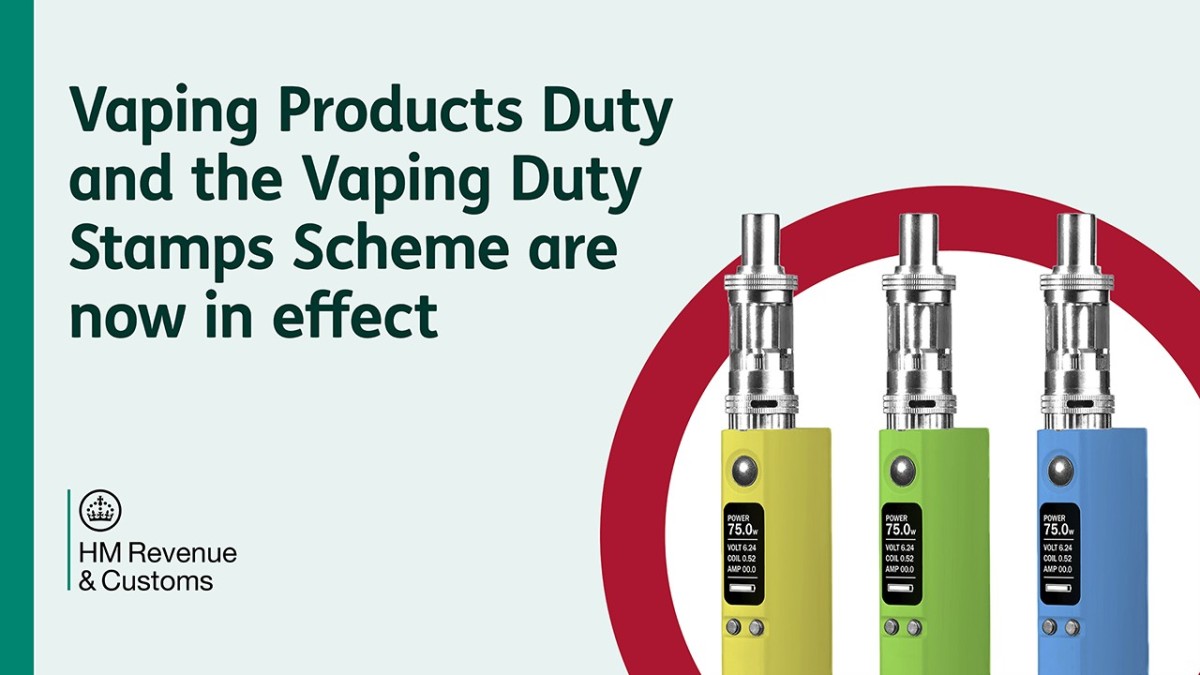
HM Revenue & Customs put the UK's Vaping Products Duty and Vaping Duty Stamps Scheme into effect on October 1. All vaping liquids manufactured in or imported into the UK are now subject to duty at £2.20 per 10ml, regardless of nicotine content. The stamp regime will introduce digital functionality designed to provide traceability throughout the supply chain, with approved manufacturers, importers and warehousekeepers required to report product movements and retailers and consumers eventually able to scan stamps to verify authenticity. China exported $177 million of vape-related products to the UK in August, up 51.4% year over year, increasing the significance of the new compliance regime for China's Shenzhen-centered vape supply chain.
Regulations
Oct.04
Reuters Reveals California Raid on Illegal Vape Factory Involving Geek Bar and Foger, Days After WSJ Reported Importer's $1 Billion Factory Plan and White House Lobbying to Release Detained Vape Imports
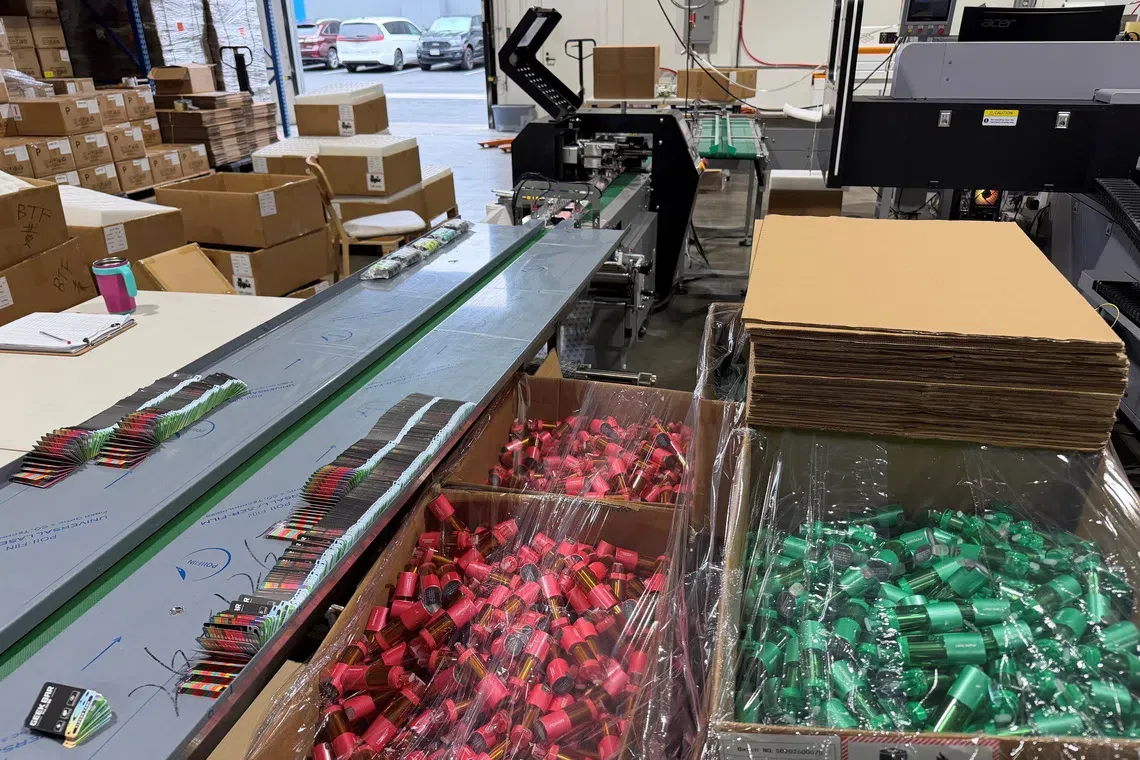
US authorities raided a suspected illegal vape manufacturing facility in Chino, California, on October 30, 2026, discovering production and packaging machinery, unfinished vaping devices and approximately 850,000 vape-related items associated with brands including Geek Bar and Foger, Reuters reported on November 17. A person involved in the investigation said the raid provided concrete evidence of some manufacturing activities involving major Chinese vape labels taking place in the United States. Four days earlier, The Wall Street Journal reported that Hillfield, a US importer of Geek Bar products, had enlisted politically connected advisers to seek the release of detained vape shipments while presenting a $1 billion US manufacturing plan to the White House. No connection between the proposed investment and the raided facility has been established.
Enforcement
Nov.17
Ukraine Raises Excise Stamp Fees for Tobacco, Heated Tobacco and Vape Liquids by 30.5% as Parliament Backs E-Excise Delay to 2027
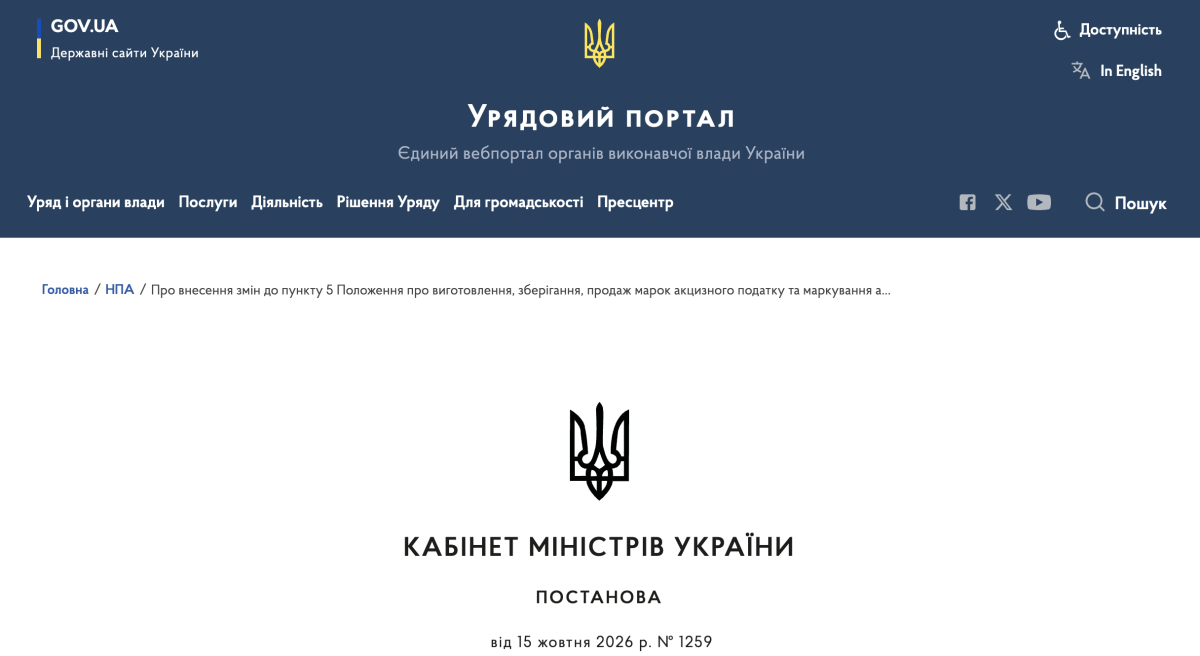
Ukraine's Cabinet of Ministers adopted Resolution No. 1259 on October 15, 2026, increasing excise stamp production fees for tobacco products and e-cigarette liquids by approximately 30.5%, from UAH 0.1643 to UAH 0.2144 per stamp. Fees for alcoholic beverages rose by about 30.2%. Separately, Ukraine's parliament passed Bill No. 15532 on October 13, proposing to postpone the full implementation of electronic excise stamps and traceability for alcohol, tobacco and e-cigarette liquids from November 1, 2026, to July 1, 2027. Parliament cited additional testing, configuration and integration requirements. The bill was sent to the president for signature on October 19.
Regulations
Oct.21
Malaysia's Poisons Board Backs New Vape Nicotine Exemption After Unanimously Opposing 2023 Proposal
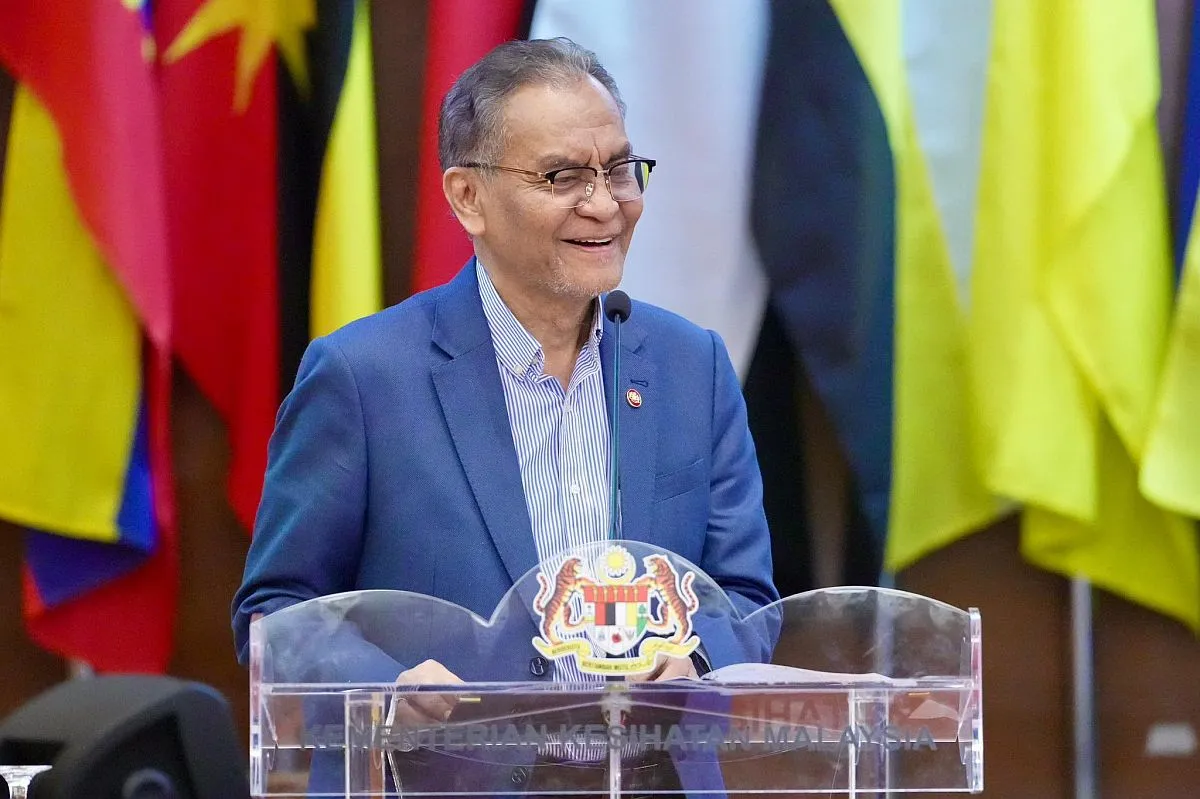
Malaysia's Poisons Board has endorsed Health Minister Dzulkefly Ahmad's proposal to exempt liquid nicotine used in vaping products from the Poisons List, according to a November 2, 2026, report by CodeBlue. The Board unanimously opposed a similar proposal in 2023, but the government proceeded with the exemption. The Kuala Lumpur High Court invalidated the 2023 decision in May 2026, and the government withdrew its appeal in August. No new ministerial order has been published. The development raises questions about the interaction between Malaysia's two regulatory frameworks and the treatment of RM354.51 million in excise duties collected on e-cigarette and vape products between May 2023 and June 11, 2026.
Regulations
Nov.03