Labour MP warns vaping tax hike will hurt working people

Nov.01.2024
Labour MP warns vaping tax hike will hurt working people
Labour MP Mary Glindon warns vaping tax hike in 2026 could discourage smokers from quitting, burdening working families.

Labour MP Mary Glindon has voiced serious concerns about the government’s planned tax increase on vaping liquid, which is set to come into effect in October 2026, during the Budget debate in the Commons.


In Chancellor Rachel Reeves' recent Budget, a new tax of £2.20 per 10ml of vape liquid was announced, alongside a £2.20 rise in tobacco duty per 100 cigarettes. While the government claims this initiative will encourage smokers to switch to vaping, Glindon, the representative for Newcastle upon Tyne East and Wallsend, argues that it could have unintended consequences.


“As chair for the APPG (All-Party Parliamentary Group) on responsible vaping, I have concerns about the announced tax on vaping liquid from 2026,” Glindon said. “This tax will also hurt working people throughout the North East who rely on vaping to keep them off cigarettes.”


“There are still six million smokers who are yet to make the switch to vaping, to now put a tax on vaping will only serve to discourage these smokers to quit,” Glindon said.


The tax, she said, would also make the UK’s vaping tax one of the highest in Europe. “The vaping tax proposed by the Chancellor is unsustainably high, at 22p per millilitre of vape liquid.”  
 

Labour MP warns vaping tax hike will hurt working people
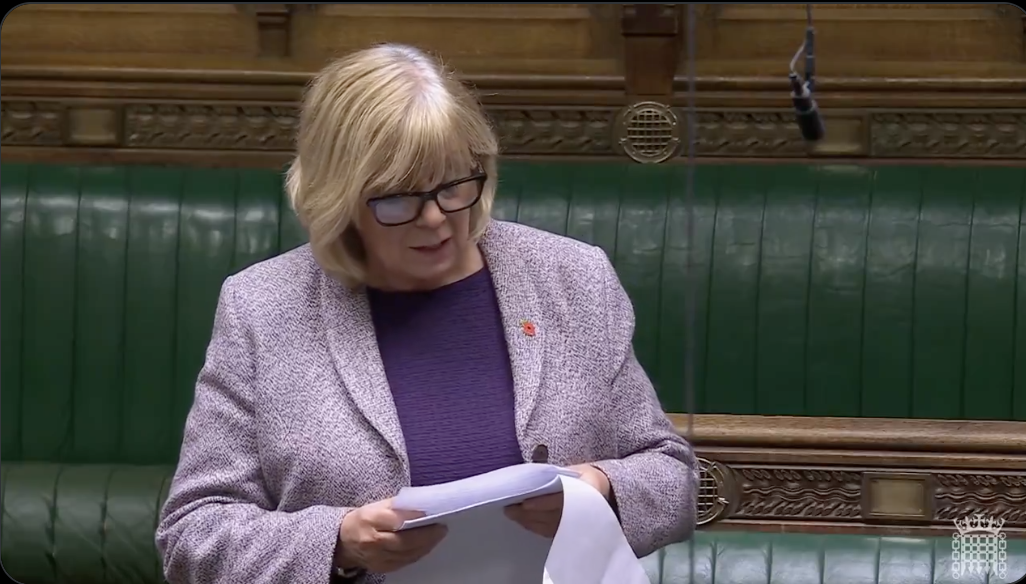
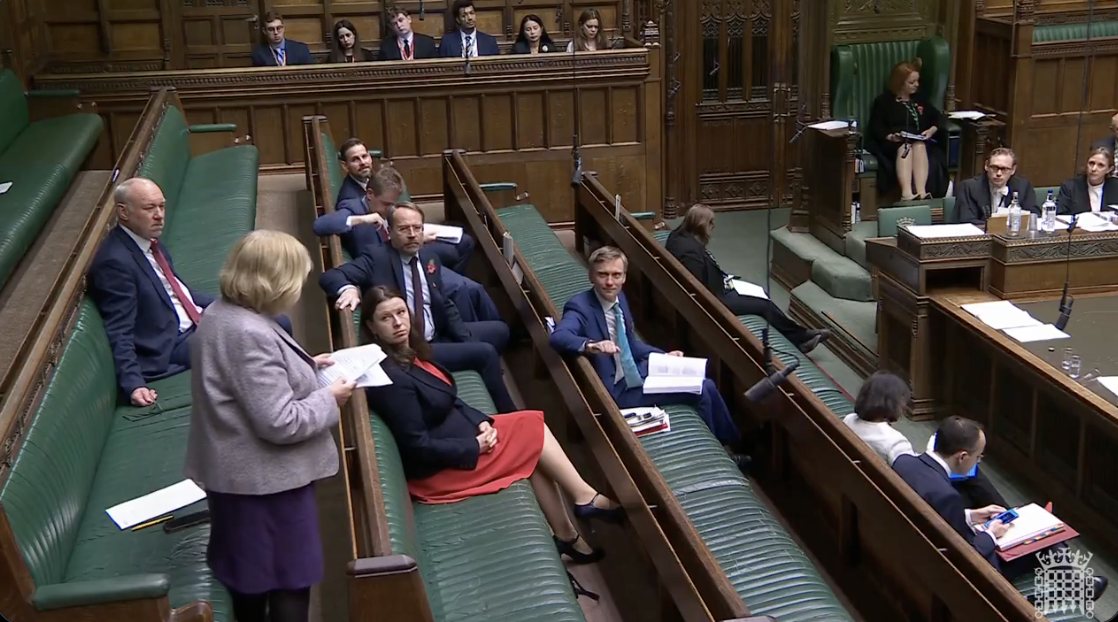
Labour MP Mary Glindon voices concerns on vaping tax hike's impact during the Budget debate in the House of Commons. Image source: UK Parliament


Glindon described the financial implications of this tax on everyday consumers. “Currently, many stores will sell vaping liquid for refillable devices for 99p, under the Chancellor’s proposals this will increase by 267% to £3.64,” she said.


In addition, Glindon refuted the idea that the accessibility of vaping products is driving youth vaping rates.“Access to vaping liquids is not what is driving youth vaping, she said. “The government is already looking to address this through the Tobacco and Vapes Bill.”


Finally, she pointed to the public health benefits of vaping as a smoking cessation tool, noting that many former smokers have seen health improvements from switching to vaping, which, in turn, saves the NHS considerable money.


“Switching from smoking to the less-harmful alternative” has saved the NHS “tens of thousands of pounds per person.” Glindon said.

 

Report says illegal vapes “threaten UK high streets” as 55% of councils seized thousands last year
The latest annual Illegal Vapes and Nicotine Product Report says nearly 5 million illegal vapes have been seized over the last three years—equivalent to three seized every minute—with a street value of £39m (USD equivalent not provided in the source; exchange-rate basis not stated). It says 1.3 million were seized last year and that 55% of UK council areas seized thousands of illegal products over the year.
Feb.26 by 2FIRSTS.ai
Ireland Vape Retailers’ Group RVI Calls for Tax Stamps to Strengthen Enforcement of Vape Products Tax
Responsible Vaping Ireland (RVI), an Irish vape retailers’ group, has released a policy paper urging Ireland to swiftly introduce Revenue-issued tax stamps on vaping products to strengthen enforcement of the E-Liquid Products Tax (EPT) and to tackle tax evasion and the illicit market. Provisional Department of Finance figures show €1.3 million collected in November and December 2025; at that pace, annualised receipts would be €7.8 million, below the government’s projected €17 million.
Feb.26 by 2FIRSTS.ai
Spain’s Nicotine Pouch Sales Reached 5 Million Cans in 2025, Industry Says 2026 Could Hit 8 Million
Spain’s Nicotine Pouch Association said nicotine pouch sales in Spain reached 5 million cans of 20 units in 2025 and are expected to rise 60% to 8 million in 2026. The group said there are currently 20 to 30 brands on the Spanish market and called for regulation proportionate to product risk. It also opposed a proposal to reduce nicotine content to 0.99 mg per pouch, saying it would amount to a de facto ban on the category.
Mar.19 by 2FIRSTS.ai
Andy Tan Named 2026 SRNT Fellow for Contributions to Nicotine Research
Andy Tan, Ph.D., has been named a 2026 Fellow of the Society for Research on Nicotine and Tobacco (SRNT), an international professional association dedicated to advancing nicotine and tobacco research. Fellows are selected for outstanding research contributions as well as leadership, mentoring, and policy engagement within the field.
Feb.23
Poland Weighs Ban on Disposable Vapes, Tightens Rules on Nicotine Pouches
Poland plans to amend its tobacco control legislation, proposing a ban on disposable e-cigarettes (both nicotine-containing and nicotine-free) while simultaneously tightening regulations on nicotine pouches and other novel nicotine products. Nicotine pouches may be permitted only in "tobacco flavour" variants to reduce their appeal to young people.
Mar.10 by 2FIRSTS.ai
FDA Highlights Product Characterization as a Foundational Requirement in ENDS PMTA Reviews
During its ongoing PMTA roundtable, FDA emphasized that product characterization is a foundational element in the review of electronic nicotine delivery systems (ENDS). The agency underscored the need for complete product identifying information, validation and verification of test methods on the specific product type, and the appropriate use of tobacco product master files (TPMFs) to support complex or proprietary ingredients in PMTA submissions.
Feb.10