Key Takeaways
- Malaysian anti-tobacco groups say unregulated vapes are still being sold in physical stores and vape devices remain available online
- A tobacco-control leader said Act 852 has been in place long enough and rejected “clearing old stock” as an excuse, urging a tighter crackdown
- A consumer group welcomed removals from major e-commerce platforms but warned individual websites and private social media groups remain a key channel
- Calls were made for measurable enforcement targets and for online sellers to be registered under the Companies Act 2016 via the Companies Commission of Malaysia
- An activist alleged sundry shops are increasingly selling openly and cited a claim from Malaysia’s George Town, Penang involving free vape juices for customer referrals, calling for an immediate blanket ban
2Firsts,March 2, 2026
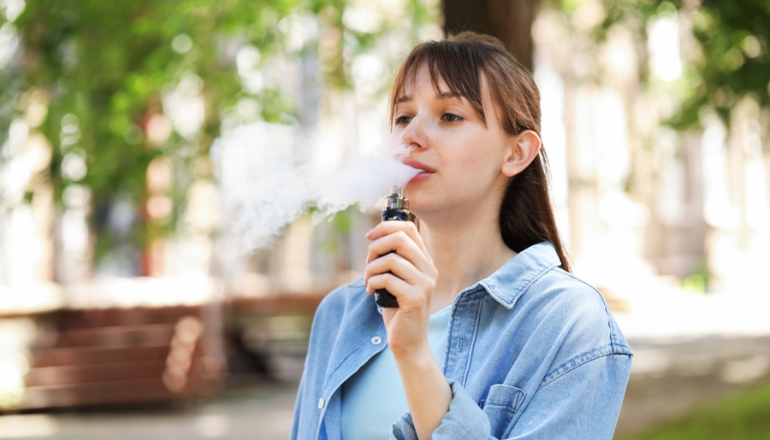
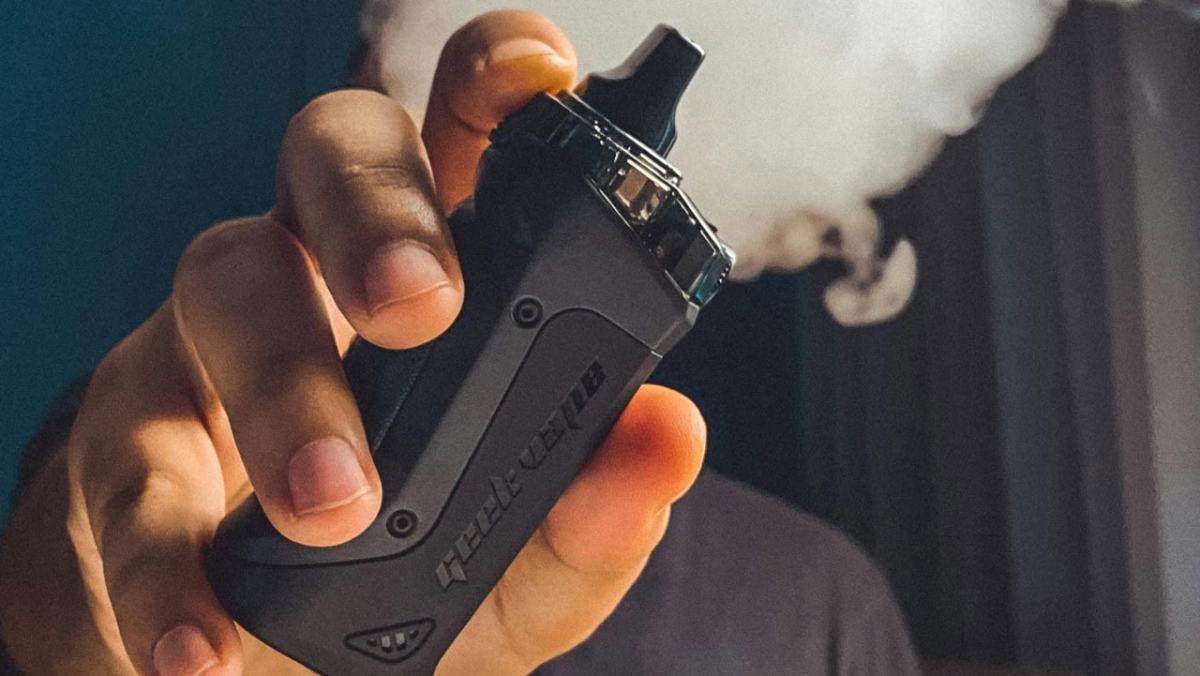
According to The Star, anti-tobacco groups said the continued sale of unregulated vapes in physical stores and the online availability of vape devices show an urgent need for comprehensive enforcement in Malaysia.
Prof Dr Murallitharan Munisamy (Murallitharan Munisamy), president of the Malaysian Council for Tobacco Control, said sufficient time has passed since the Control of Smoking Products for Public Health Act 2024 (Act 852) was enacted and called for a tighter crackdown. He said excuses such as clearing old stock were unacceptable, noting the Health Ministry had already provided a long runway on the issue.
He urged action against unregulated vape sales and said problems could persist even under a future ban without a comprehensive enforcement infrastructure and ecosystem. He also said enforcement agencies cannot tackle the issue alone and encouraged the public to report non-compliance through the JomLapor portal.
On the decline of online sales on major e-commerce platforms, Murallitharan said it reflects stricter policing by the Health and Communications ministries, but added that sales continue on individual websites and private social media groups and called for a more comprehensive review.
Muhammad Sha’ani Abdullah (Muhammad Sha’ani Abdullah), Tobacco Control coordinator at the Federation of Malaysian Consumers Associations (FOMCA), welcomed the removal of vape products from major e-commerce platforms, saying it signals large marketplace operators are beginning to recognise their responsibility in preventing the sale and promotion of harmful products, especially those targeting or easily accessible to minors.
He stressed the importance of clear, measurable enforcement targets and said simple age-declaration pop-ups are meaningless in loosely verified digital commerce. He said online sellers should be properly registered business entities under the Companies Act 2016 through the Companies Commission of Malaysia.
Anti-tobacco activist NV Subbarow (NV Subbarow) said more sundry shops are beginning to sell the products without concern and claimed a store in Malaysia’s George Town, Penang was giving complimentary vape juices to regular buyers if they introduced new customers. He argued there should be no time frame when introducing a ban and that it should be immediate and all-encompassing.
Image credit: The Star
We welcome news tips, article submissions, interview requests, or comments on this piece.
Please contact us at info@2firsts.com, or reach out to Alan Zhao, CEO of 2Firsts, on LinkedIn
Notice
1. This article is intended solely for professional research purposes related to industry, technology, and policy. Any references to brands or products are made purely for objective description and do not constitute any form of endorsement, recommendation, or promotion by 2Firsts.
2. The use of nicotine-containing products — including, but not limited to, cigarettes, e-cigarettes, nicotine pouchand heated tobacco products — carries significant health risks. Users are responsible for complying with all applicable laws and regulations in their respective jurisdictions.
3. This article is not intended to serve as the basis for any investment decisions or financial advice. 2Firsts assumes no direct or indirect liability for any inaccuracies or errors in the content.
4. Access to this article is strictly prohibited for individuals below the legal age in their jurisdiction.
Copyright
This article is either an original work created by 2Firsts or a reproduction from third-party sources with proper attribution. All copyrights and usage rights belong to 2Firsts or the original content provider. Unauthorized reproduction, distribution, or any other form of unauthorized use by any individual or organization is strictly prohibited. Violators will be held legally accountable.
For copyright-related inquiries, please contact: info@2firsts.com
AI Assistance Disclaimer
This article may have been enhanced using AI tools to improve translation and editorial efficiency. However, due to technical limitations, inaccuracies may occur. Readers are encouraged to refer to the cited sources for the most accurate information.
We welcome any corrections or feedback. Please contact us at: info@2firsts.com