Key points:
1. Several states in Malaysia are set to implement a ban on displaying tobacco products, requiring stores to hide them in closed cabinets.
2. Individuals can be fined RM 500 to RM 30,000 ($110- $6,800), while organizations can be fined up to RM 300,000 ($68,000) or face imprisonment. Enforcement officers will focus on cracking down on counterfeit products and online sales.
3. The Penang Consumer Association calls for strict enforcement of the law.
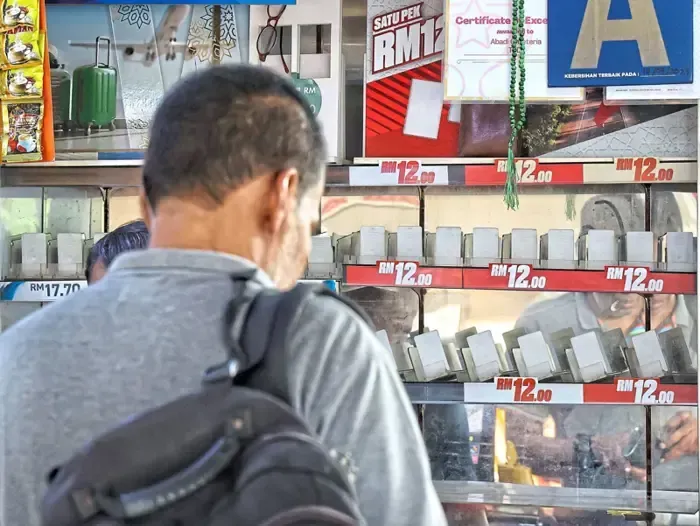
2Firsts, reporting from Shenzhen - Stores in several Malaysian states will be required to keep tobacco products in closed cabinets from April 1, in compliance with the Smoking Products Control Act for Public Health 2024 (Act 852), which bans the display of smoking products at points of sale in restaurants and retail outlets. The Star reported.
The Act is implemented starting from October 1, 2024, covering regulations related to the registration, sale, packaging, labeling, and public smoking ban of tobacco products.
It also includes a ban on the display of all tobacco and e-cigarette products in retail stores. Kuala Lumpur, Penang, and Selangor have already notified businesses in advance to prepare for the implementation of this ban.
Datuk Seri Maimunah Mohd Sharif, Kuala Lumpur Mayor, stated that the Kuala Lumpur Health Department will begin enforcing regulations after the grace period ends.
"Since Act 852 came into effect, the Health Department has visited retail shops selling cigarettes and tobacco products."
The chairman of Selangor youth, sports and entrepreneurship committee chairman, Mohd Najwan Halimi, stated that the state government may follow suit.
"This is a good move, and I think we should consider implementing it in Selangor as well."
The Chairman of the Penang Health Committee, Daniel Gooi Zi Sen, stated that the state health department will oversee all stalls to ensure that tobacco products are not displayed in retail stores.
"Individuals can be fined from RM500 up to RM30,000, while organisations may be slapped with up to RM300,000 in fines, or jailed."
Law enforcement officials will also pay special attention to products that are disguised as toys or sold through vending machines and online platforms.
He added:
"Retailers can only use designated signboards to show the availability of cigarette or vaping products and the prices."
"Certain specialised stores are allowed to display smoking products, but must prominently feature warning signs."
The Consumer Association of Penang (CAP) is urging authorities to ensure the prompt enforcement of Act 852. Its senior education officer and anti-smoking activist, NV Subbarow, said that action must be taken against violators as they have been given sufficient time.
We welcome news tips, article submissions, interview requests, or comments on this piece.
Please contact us at info@2firsts.com, or reach out to Alan Zhao, CEO of 2Firsts, on LinkedIn
Notice
1. This article is intended solely for professional research purposes related to industry, technology, and policy. Any references to brands or products are made purely for objective description and do not constitute any form of endorsement, recommendation, or promotion by 2Firsts.
2. The use of nicotine-containing products — including, but not limited to, cigarettes, e-cigarettes, nicotine pouchand heated tobacco products — carries significant health risks. Users are responsible for complying with all applicable laws and regulations in their respective jurisdictions.
3. This article is not intended to serve as the basis for any investment decisions or financial advice. 2Firsts assumes no direct or indirect liability for any inaccuracies or errors in the content.
4. Access to this article is strictly prohibited for individuals below the legal age in their jurisdiction.
Copyright
This article is either an original work created by 2Firsts or a reproduction from third-party sources with proper attribution. All copyrights and usage rights belong to 2Firsts or the original content provider. Unauthorized reproduction, distribution, or any other form of unauthorized use by any individual or organization is strictly prohibited. Violators will be held legally accountable.
For copyright-related inquiries, please contact: info@2firsts.com
AI Assistance Disclaimer
This article may have been enhanced using AI tools to improve translation and editorial efficiency. However, due to technical limitations, inaccuracies may occur. Readers are encouraged to refer to the cited sources for the most accurate information.
We welcome any corrections or feedback. Please contact us at: info@2firsts.com