Key Points
- The presidential initiative proposes a legal definition of electronic cigarettes, vapes, and similar devices.
- Heated tobacco products are not included, prompting Ricardo Monreal Ávila (Ricardo Monreal Ávila) to request revisions.
- Penalties for illegal distribution of electronic tobacco-consumption devices:
- 1–8 years in prison + Mex$11,314–Mex$226,280 (USD $616–$12,318).
- Lawmakers emphasize resisting industry lobbying and protecting public health.
- Debate within the committee is ongoing.
2Firsts, November 21, 2025 — According to El Universal,the Health Committee of Mexico’s Chamber of Deputies is expected to vote next Tuesday on reforms to the General Health Law regulating the prohibition, distribution, and sale of electronic cigarettes and vapes, as well as various toxic substances and narcotics, including fentanyl and other chemical precursors, El Universal reported.
The presidential initiative, presented on September 26, proposes defining:
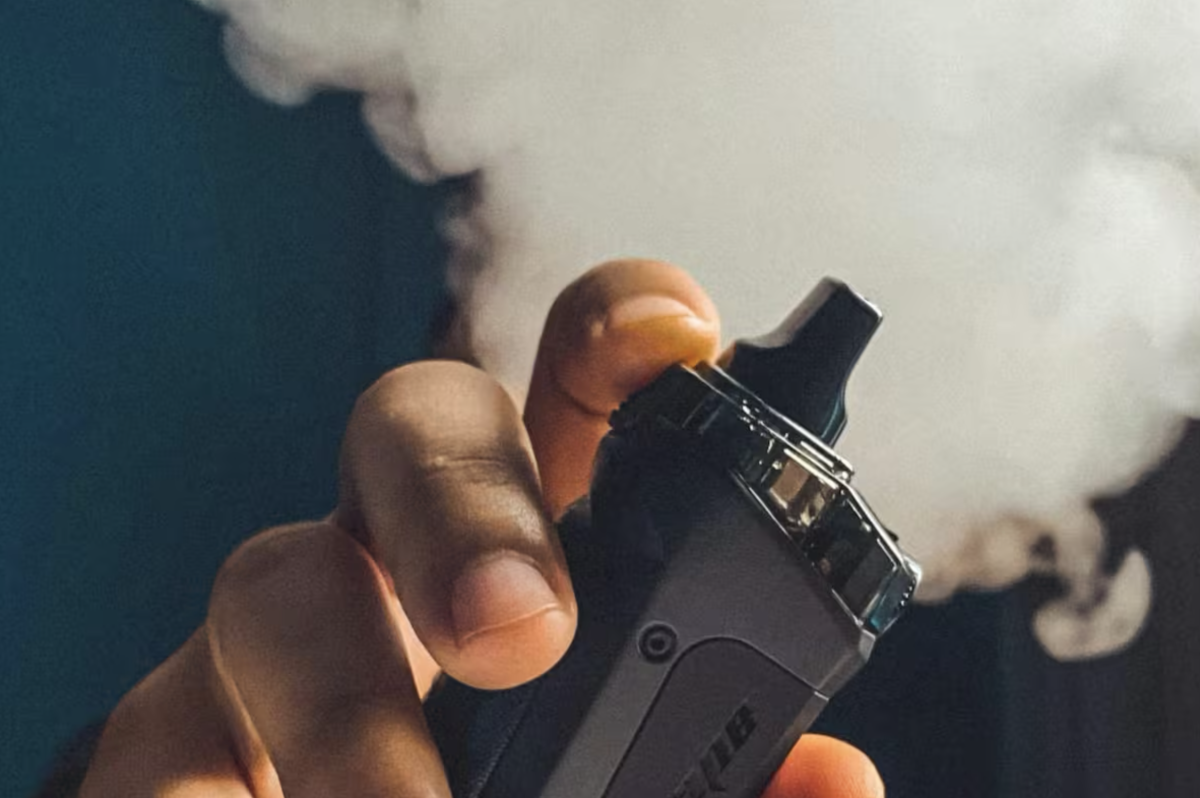
“Electronic cigarettes, vapes, and other analogous systems or devices as any mechanical, electronic, or technological apparatus used to heat, vaporize, or atomize toxic substances, with or without nicotine, different from tobacco, capable of being inhaled by the consumer.”
As written, the proposal excludes heated tobacco products, leading the coordinator of Morena, Ricardo Monreal Ávila (Ricardo Monreal Ávila), to state that he will speak with the committee chair, Pedro Centeno (Pedro Centeno).
Monreal said:
“We have no reason to comply with those who are poisoning the country. Even if they are powerful lobbyists or large companies of the tobacco industry, we must protect public health. That is our obligation. We will pay special attention to ensuring there is no regression.”
The lawmaker emphasized the need to differentiate between products and consumption modalities.
The proposal establishes that the use and distribution of electronic devices for consuming tobacco will be punished with:
1 to 8 years in prison, and
A fine of 100 to 2,000 UMA, amounting to Mex$11,314 to Mex$226,280
(USD $616 to $12,318, based on Mex$1 = USD $0.05444).
Regarding the future of the draft opinion, Monreal stated:
“It must be reviewed. I will not take a position at this moment, because the debate is just beginning in the committees.”
Image source: El Imparcial
We welcome news tips, article submissions, interview requests, or comments on this piece.
Please contact us at info@2firsts.com, or reach out to Alan Zhao, CEO of 2Firsts, on LinkedIn
Notice
1. This article is intended solely for professional research purposes related to industry, technology, and policy. Any references to brands or products are made purely for objective description and do not constitute any form of endorsement, recommendation, or promotion by 2Firsts.
2. The use of nicotine-containing products — including, but not limited to, cigarettes, e-cigarettes, nicotine pouchand heated tobacco products — carries significant health risks. Users are responsible for complying with all applicable laws and regulations in their respective jurisdictions.
3. This article is not intended to serve as the basis for any investment decisions or financial advice. 2Firsts assumes no direct or indirect liability for any inaccuracies or errors in the content.
4. Access to this article is strictly prohibited for individuals below the legal age in their jurisdiction.
Copyright
This article is either an original work created by 2Firsts or a reproduction from third-party sources with proper attribution. All copyrights and usage rights belong to 2Firsts or the original content provider. Unauthorized reproduction, distribution, or any other form of unauthorized use by any individual or organization is strictly prohibited. Violators will be held legally accountable.
For copyright-related inquiries, please contact: info@2firsts.com
AI Assistance Disclaimer
This article may have been enhanced using AI tools to improve translation and editorial efficiency. However, due to technical limitations, inaccuracies may occur. Readers are encouraged to refer to the cited sources for the most accurate information.
We welcome any corrections or feedback. Please contact us at: info@2firsts.com