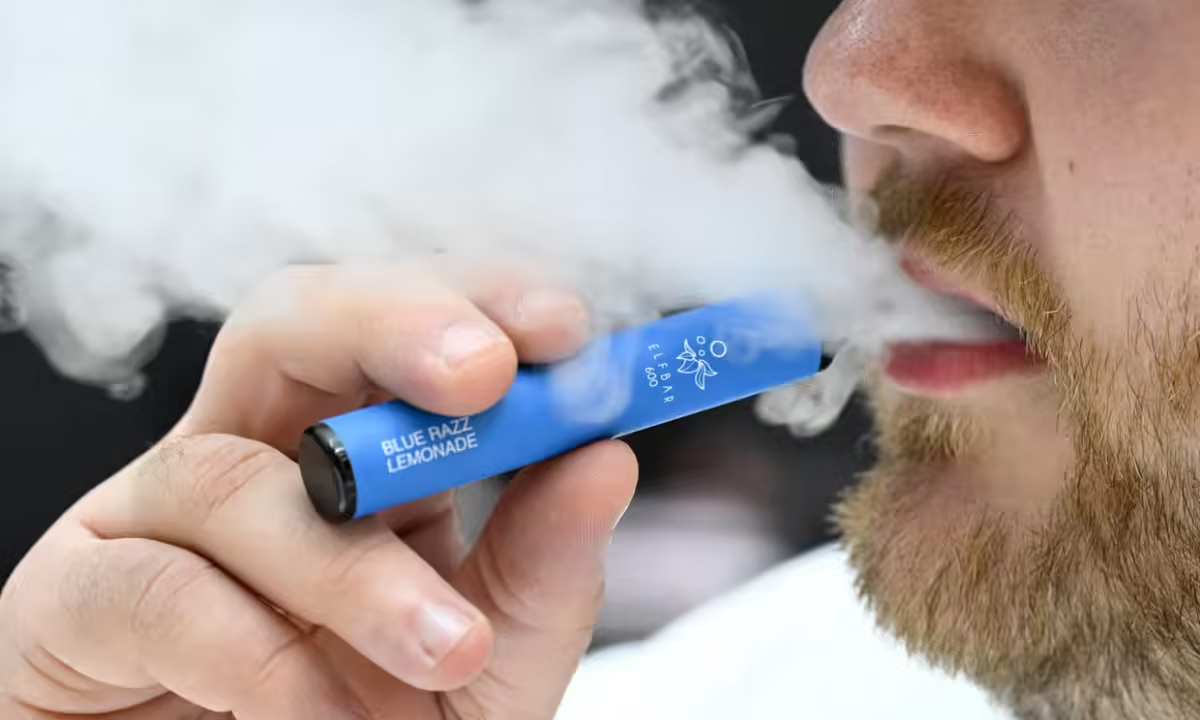
According to multiple reports by British media outlets, the e-cigarette recycling advertisement by ELFBAR has been deemed misleading by the Advertising Standards Authority (ASA) in the United Kingdom.
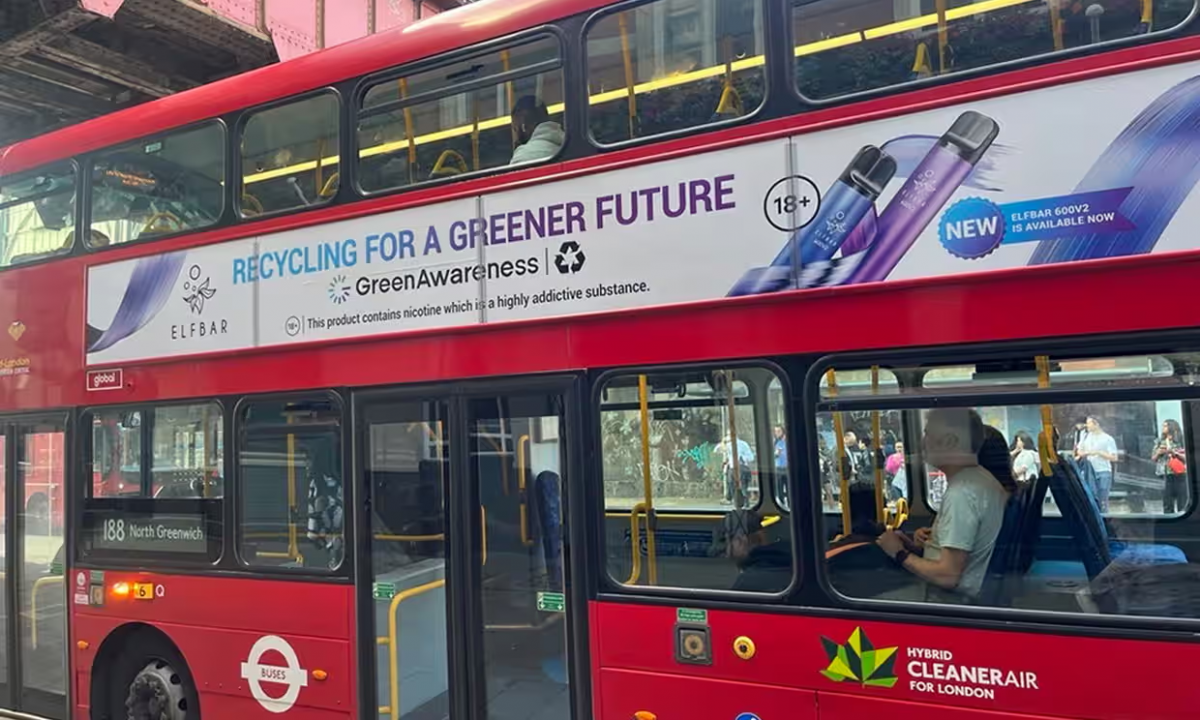
According to reports, advertisements for ELFBAR's e-cigarette recycling campaign have been displayed on buses and digital billboards, featuring messages such as "Recycling for a Green Future," "Green Awareness," and recycling symbols.
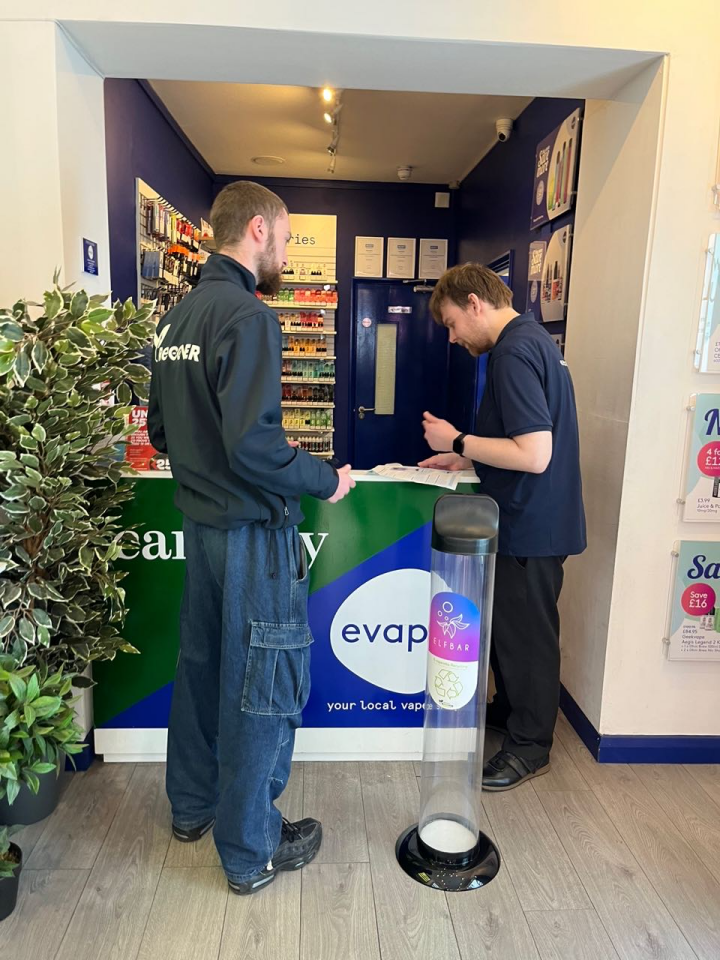
Several companies, including Imperial Tobacco, have lodged complaints with the ASA in relation to this advertisement, claiming that the disposal of disposable e-cigarettes is not as straightforward as depicted.
ASA ruled that these advertisements left people with inaccurate impressions in terms of their environmental benefits and limited recycling options, therefore the related promotional posters have been banned.
ELFBAR has explained to the Advertising Standards Bureau that over 70% of individuals dispose of disposable e-cigarettes because they are unaware that these products are recyclable. The company emphasizes that the purpose of their advertisements is to motivate consumers to actively participate in recycling. They explicitly deny making any claims regarding the environmental impact or benefits of their products in the advertisements.
ELFBAR, a prominent e-cigarette retailer, has a network of 70 stores across the United Kingdom, all of which feature dedicated recycling bins. The company has clarified that the recycling process is carried out in collaboration with a professional lithium-ion battery and e-cigarette recycling firm. These products are then handed over to certified recycling organizations in the UK for proper dismantling and material reuse.
ELFBAR has stated that while it is not legally obligated to raise consumer awareness about recycling, the company has opted to make investments in this area. However, the Advertising Standards Authority has concluded that these advertisements give the impression that ELFBAR products are "widely recyclable," when in reality, they can only be recycled through designated ELFBAR recycling bins.
Regulators have pointed out that there are limited options for recycling disposable e-cigarettes, some of which may not be easily accessible to consumers. The Advertising Standards Authority has stated, "We recognize that ELFBAR's intention is to educate and encourage consumers to recycle through their advertisements, and they will take measures to increase consumers' recycling capabilities. However, because consumers may understand from these advertisements that they will be able to recycle ELFBAR's disposable e-cigarettes through various avenues, including easily accessible ones such as household recycling facilities, when this is not the case, we conclude that these advertisements are misleading.
The Advertising Standards Authority further stated that they have not seen evidence that ELFBAR's recyclable e-cigarette has a smaller environmental impact in the market compared to other e-cigarette products. They concluded that the claim of "Green for the future" could potentially mislead consumers. Ultimately, the Advertising Standards Authority ruled that these advertisements cannot appear again and added, "We have told ELFBAR to ensure that future advertisements clearly state the basis of their environmental claims and do not mislead in terms of the environmental impact or benefits of their products.
In regards to this incident, 2FIRSTS has raised inquiries to ELFBAR, and their response is as follows:
We respect the decision of the Advertising Standards Authority (ASA) and have taken steps to ensure stricter self-regulation in our advertising and marketing.
We are disappointed by any confusion that this advertisement may cause. Additionally, we regret the distraction it brings to our ongoing progress in our "green consciousness" recycling initiative, which is a genuine and important effort aimed at making it easier for adults to responsibly dispose of disposable e-cigarettes.
As part of an ongoing initiative, we have made our products more easily recyclable and dismantlable for the purpose of recycling. Additionally, we have plans to establish a closed-loop recycling system by 2025. We are committed to these measures and abide by the guidelines set by the ASA.
We welcome news tips, article submissions, interview requests, or comments on this piece.
Please contact us at info@2firsts.com, or reach out to Alan Zhao, CEO of 2Firsts, on LinkedIn
Notice
1. This article is intended solely for professional research purposes related to industry, technology, and policy. Any references to brands or products are made purely for objective description and do not constitute any form of endorsement, recommendation, or promotion by 2Firsts.
2. The use of nicotine-containing products — including, but not limited to, cigarettes, e-cigarettes, nicotine pouchand heated tobacco products — carries significant health risks. Users are responsible for complying with all applicable laws and regulations in their respective jurisdictions.
3. This article is not intended to serve as the basis for any investment decisions or financial advice. 2Firsts assumes no direct or indirect liability for any inaccuracies or errors in the content.
4. Access to this article is strictly prohibited for individuals below the legal age in their jurisdiction.
Copyright
This article is either an original work created by 2Firsts or a reproduction from third-party sources with proper attribution. All copyrights and usage rights belong to 2Firsts or the original content provider. Unauthorized reproduction, distribution, or any other form of unauthorized use by any individual or organization is strictly prohibited. Violators will be held legally accountable.
For copyright-related inquiries, please contact: info@2firsts.com
AI Assistance Disclaimer
This article may have been enhanced using AI tools to improve translation and editorial efficiency. However, due to technical limitations, inaccuracies may occur. Readers are encouraged to refer to the cited sources for the most accurate information.
We welcome any corrections or feedback. Please contact us at: info@2firsts.com