Key Takeaways
- Hochul FY2027 proposal: a 75% wholesale tax on alternative nicotine products (e.g., Zyn, Velo)
- Enforcement measures: mandatory vaporizer product registry; $4.7 million for storage/disposal of seized contraband; new $0.55 distributor fee on vapes
- Opposition: convenience stores, business groups, and retired law enforcement say the tax would expand illicit trade and hurt low-income residents
- Support: public health advocates say taxes can curb addiction; budget officials project $57 million per year by 2030, with $50 million annually directed to the Health Care Reform Act fund starting in 2028
- New York State Tobacco Control Program data cited: youth nicotine pouch use rose from 1.5% (2018) to 3% (2024)
2Firsts, Feb 28, 2026 –
According to cnyhomepage, a coalition of business owners and former law enforcement officers protested Gov. Kathy Hochul’s proposed 75% tax on alternative nicotine products, arguing the price hike would fuel organized crime and harm poor New Yorkers. Proponents, the report said, maintained the tax would curb addiction while funding hospitals.
In the report’s video, former New York City sheriff Edgar Domenech (Edgar Domenech) described the tobacco black market and claimed more than 50% of cigarettes in New York come from organized smuggling rings, saying, “Don’t tax the problem.”
The report said Hochul’s Fiscal Year 2027 budget proposal broadens a category of tobacco products to include alternative nicotine items such as Zyn and Velo and applies a 75% wholesale tax. To address illicit sales, the executive budget also proposes a mandatory registry for vaporizer products, earmarks $4.7 million for storing and disposing of seized contraband, and adds a new $0.55 distributor fee on vapes.
The New York Association of Convenience Stores (NYACS), the Business Council of New York State, and retired law enforcement held a press conference at the State Capitol on Thursday to oppose a new tax, even if it is below 75%, the report said. They argued the tax would eliminate an affordable alternative to smoking for people trying to quit. NYACS President Alison Ritchie (Alison Ritchie) said it punishes compliant small businesses and drives commerce out of the state, and said authorities should enforce existing laws against unlicensed smoke shops instead of taxing legal retailers.
Retired State Police Officer Elliot Boyce (Elliot Boyce) said the law would create a black market for nicotine pouches, bringing violence and unneeded police interactions into Black and Latino neighborhoods, according to the report. Rev. Damon Cabbagestalk (Damon Cabbagestalk) said the tax would burden struggling, low-income New Yorkers and their families instead of tobacco companies. Business Council Executive Vice President Paul Zuber (Paul Zuber) said the tax would disproportionately affect lower-income, less-educated New Yorkers and cited figures stating people making under $120,000 a year are 2.8 times likelier to smoke than those making $150,000, and those without a high school education are four times likelier than college graduates.
The report said public health experts held a lobby day on Wednesday to urge lawmakers to back tobacco prevention, arguing nicotine pouches increase the likelihood of youth nicotine addiction. It cited the New York State Tobacco Control Program saying youth nicotine pouch use doubled from 1.5% in 2018 to 3% in 2024.
The governor’s office said the tax would shield young people from nicotine addiction, the report said. Budget officials estimated it would generate $57 million per year for the state by 2030, and Hochul’s proposal would direct $50 million of that annual revenue to the Health Care Reform Act fund to pay for medical treatments starting in 2028. The report also said the Department of Health previously calculated a $15 return on investment for every dollar spent on tobacco control.
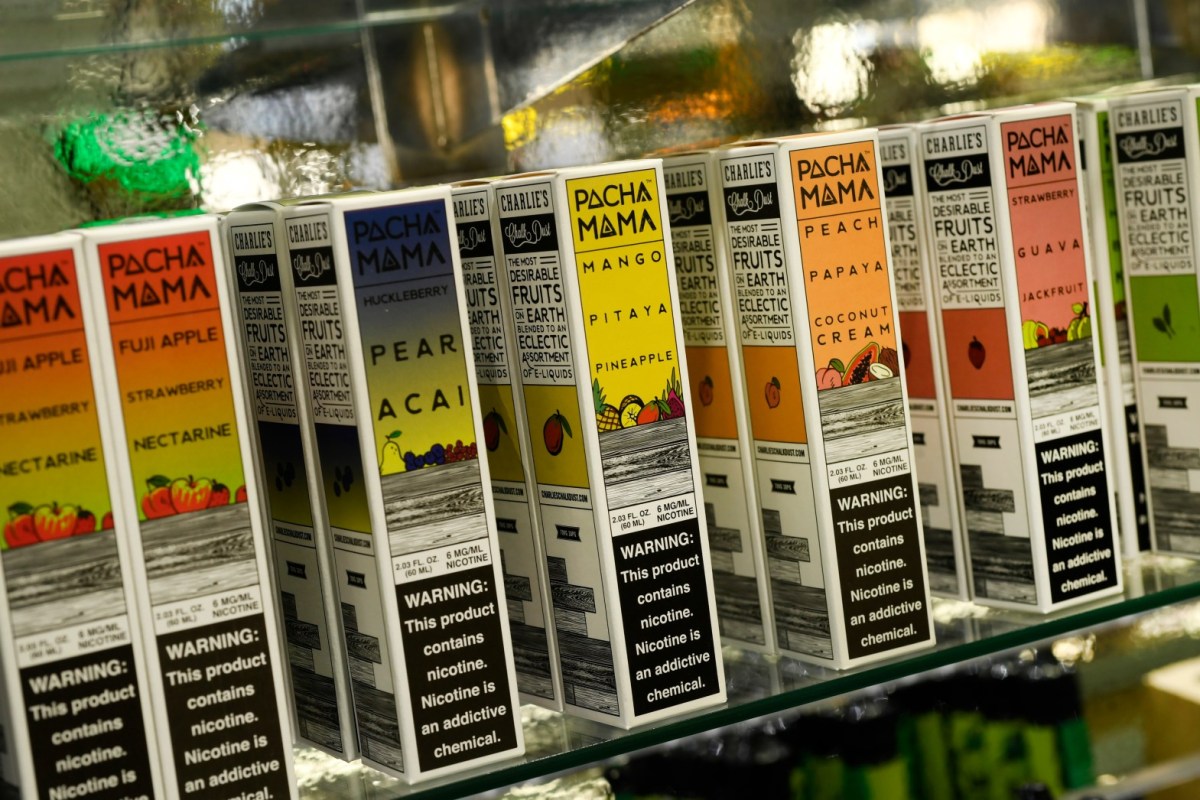
Image source: news10
We welcome news tips, article submissions, interview requests, or comments on this piece.
Please contact us at info@2firsts.com, or reach out to Alan Zhao, CEO of 2Firsts, on LinkedIn
Notice
1. This article is intended solely for professional research purposes related to industry, technology, and policy. Any references to brands or products are made purely for objective description and do not constitute any form of endorsement, recommendation, or promotion by 2Firsts.
2. The use of nicotine-containing products — including, but not limited to, cigarettes, e-cigarettes, nicotine pouchand heated tobacco products — carries significant health risks. Users are responsible for complying with all applicable laws and regulations in their respective jurisdictions.
3. This article is not intended to serve as the basis for any investment decisions or financial advice. 2Firsts assumes no direct or indirect liability for any inaccuracies or errors in the content.
4. Access to this article is strictly prohibited for individuals below the legal age in their jurisdiction.
Copyright
This article is either an original work created by 2Firsts or a reproduction from third-party sources with proper attribution. All copyrights and usage rights belong to 2Firsts or the original content provider. Unauthorized reproduction, distribution, or any other form of unauthorized use by any individual or organization is strictly prohibited. Violators will be held legally accountable.
For copyright-related inquiries, please contact: info@2firsts.com
AI Assistance Disclaimer
This article may have been enhanced using AI tools to improve translation and editorial efficiency. However, due to technical limitations, inaccuracies may occur. Readers are encouraged to refer to the cited sources for the most accurate information.
We welcome any corrections or feedback. Please contact us at: info@2firsts.com