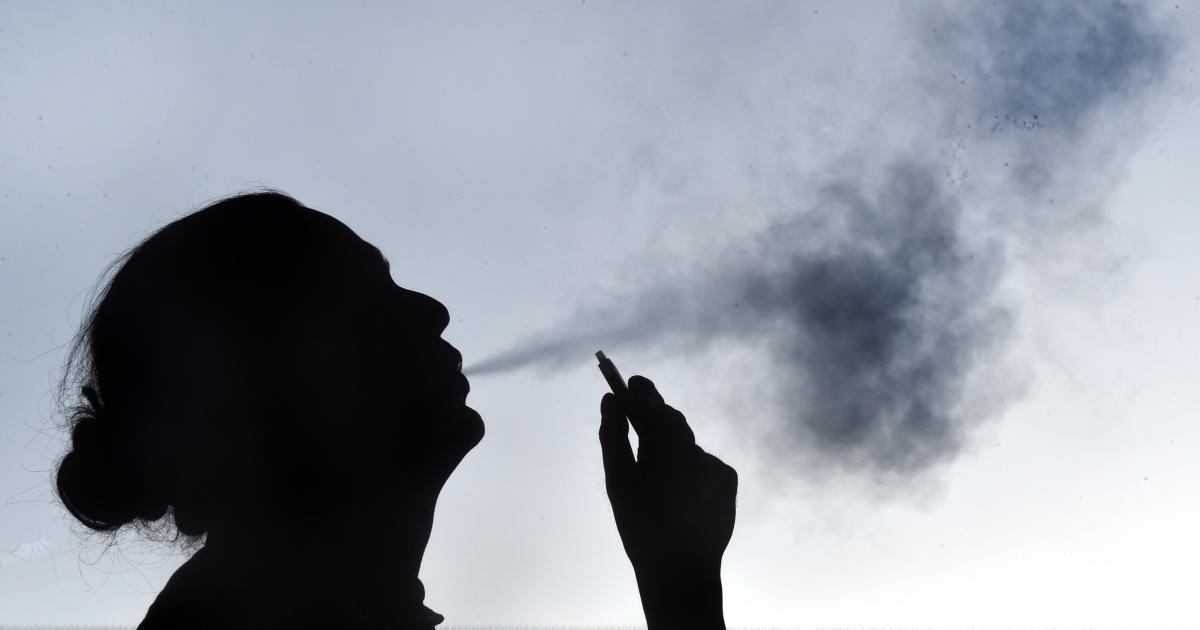
According to the New Zealand media outlet ODT, e-cigarette retailers in New Zealand are encouraging consumers to stockpile disposable e-cigarette devices by offering significant sales discounts, in anticipation of an upcoming partial ban on certain e-cigarette products.
Starting from December 21st, disposable e-cigarettes will no longer be available for sale unless they comply with new regulations. These regulations include maximum nicotine limits, replaceable batteries, child safety features, and new labeling requirements.
Several retailers are currently hosting clearance sales, with device prices as low as $2, and many devices even come with free giveaways. One of the largest e-cigarette retailers, Shosha, is currently offering a range of "pre-ban disposable e-cigarettes" for sale.
According to the website of another retailer, Vapourium:
E-cigarettes are set to be banned, so don't get caught without one. Ensure you have these disposable e-cigarettes packed in your backpack and breathe a sigh of relief.
Retailer Vapo warns of forthcoming illegal products on its website.
Buy now while you still have inventory!
The New Zealand Ministry of Health has observed an increase in the quantity of discounted disposable e-cigarettes being sold or offered as free gifts.
The spokesperson for the Ministry of Health stated that there are no restrictions on discounted sales of e-cigarettes as long as specialized e-cigarette stores adhere to advertising regulations. Only regular retailers such as convenience stores or gas stations are prohibited from selling e-cigarettes at a discounted price.
The new regulations aim to prevent the use of e-cigarettes by young people by targeting cheap, easily accessible (and environmentally harmful) products.
Retailers Vapo and Alt NZ's director, Ben Pryor, expressed his company's support for certain regulations, such as requirements concerning child safety.
However, he believes that other measures are more based on "emergency policies" rather than evidence. Prael argued that the maximum nicotine strength of 20mg/ml is roughly one-third of the nicotine found in tobacco, which would diminish the effectiveness of e-cigarette products as smoking cessation tools.
The limit of 20mg/ml complies with the limits set by the European Union and other jurisdictions. New Zealand has a slightly higher limit of 28.5mg/ml for reusable e-cigarettes.
Robert Beaglehole, the Chairman and Honorary Professor at ASH, acknowledges that politicians and health officials are attempting to strike a balance between preventing teenagers from using e-cigarettes while also maintaining their role as a means for adults to quit smoking.
Despite the good intentions behind the latest round of regulations, as argued by Biegelhauer, the industry has been making significant strides forward. Many retailers have even created disposable e-cigarettes with replaceable batteries, effectively sidestepping the new regulations.
The imposed changes have also raised concerns regarding the handling of non-compliant e-cigarettes.
Prelle stated that while his company has the capability to redirect disposable e-cigarettes to Australia, thousands of other retailers' disposable products will end up in landfills.
The Ministry of Health has stated that retailers should be responsible for handling products. After the expiration date, the Ministry of Health will conduct inspections on retailers to ensure that they do not continue selling disposable e-cigarettes. Violators will be fined up to $400,000.
E-cigarettes are no longer permitted to be sold near schools or marae (Maori meeting houses), but this restriction does not affect the thousands of existing operating sales points, nor does it impact general retailers such as convenience stores or supermarkets.
Professor Hoek from the University of Otago proposes that cigarettes be viewed solely as therapeutic products and only sold by trained individuals in specialty stores. This, she believes, would assist smokers in transitioning to e-cigarettes. She also suggests banning advertisements at point of sale and introducing plain packaging to deter young people from using them.
The long-term health effects of using e-cigarettes remain uncertain. However, Professor Hawk stated that nicotine addiction itself has been proven to be harmful to adolescents, particularly in terms of disrupting sleep and academic performance.
The governments of New Zealand and Singapore have stated their intentions to adjust certain policies regarding e-cigarettes. These adjustments include stricter penalties for selling to individuals under the age of 18, considering the requirement for tobacco licenses for retailers, modifying e-cigarette device requirements, and reforming e-cigarette regulations.
We welcome news tips, article submissions, interview requests, or comments on this piece.
Please contact us at info@2firsts.com, or reach out to Alan Zhao, CEO of 2Firsts, on LinkedIn
Notice
1. This article is intended solely for professional research purposes related to industry, technology, and policy. Any references to brands or products are made purely for objective description and do not constitute any form of endorsement, recommendation, or promotion by 2Firsts.
2. The use of nicotine-containing products — including, but not limited to, cigarettes, e-cigarettes, nicotine pouchand heated tobacco products — carries significant health risks. Users are responsible for complying with all applicable laws and regulations in their respective jurisdictions.
3. This article is not intended to serve as the basis for any investment decisions or financial advice. 2Firsts assumes no direct or indirect liability for any inaccuracies or errors in the content.
4. Access to this article is strictly prohibited for individuals below the legal age in their jurisdiction.
Copyright
This article is either an original work created by 2Firsts or a reproduction from third-party sources with proper attribution. All copyrights and usage rights belong to 2Firsts or the original content provider. Unauthorized reproduction, distribution, or any other form of unauthorized use by any individual or organization is strictly prohibited. Violators will be held legally accountable.
For copyright-related inquiries, please contact: info@2firsts.com
AI Assistance Disclaimer
This article may have been enhanced using AI tools to improve translation and editorial efficiency. However, due to technical limitations, inaccuracies may occur. Readers are encouraged to refer to the cited sources for the most accurate information.
We welcome any corrections or feedback. Please contact us at: info@2firsts.com