Key Takeaways
- Health NZ signed a NZD 500,000 contract with Alt NZ Limited in December 2025.
- More than 7,000 free vape kits have been distributed through the programme so far.
- Alt brought five separate court actions against the Ministry of Health between 2023 and 2025 over nicotine limits.
- The original report said Alt argued its best-selling products were stronger than 28.5 mg/mL and that 85% of its revenue came from higher-strength products.
- Health NZ said the procurement used an open process requiring compliant closed-pod devices and refills for 29 national stop-smoking services.
2Firsts, March 23, 2026
According to RNZ, a vape company that previously sued the New Zealand government in a dispute over keeping higher nicotine levels has now become a partner in the government’s free vape kit programme for smokers.
Health NZ signed a NZD 500,000 contract with Alt
Health NZ signed a NZD 500,000 contract with New Zealand-owned vape company Alt NZ Limited in December 2025 (approximately USD 295,000, based on 1 NZD ≈ 0.59 USD). The original report said more than 7,000 vape kits have already been distributed under the programme as part of efforts to help smokers quit.
Health NZ said the products used in the programme comply with the government’s set nicotine strengths and that Alt’s earlier court disputes with the Ministry of Health were therefore not relevant to the vetting process for the contract.
Alt filed five court actions from 2023 to 2025 over the nicotine limit dispute
The original report said Alt’s legal dispute with the Ministry of Health began after the ministry sought to rewrite the rules to lower the maximum nicotine level in vaping products from 50 mg/mL to 28.5 mg/mL. New Zealand law allows vapes to contain up to 50 mg/mL of nicotine salts, but some retailers had interpreted this as allowing 50 mg/mL of nicotine, resulting in products that were close to twice the strength intended by the law.
According to the report, Alt filed five separate court actions between 2023 and 2025. In the first case, the court confirmed Alt’s interpretation of the earlier regulations, although Alt did not succeed in blocking the regulatory change. Alt then sued again after saying the ministry had changed the regulations during the court case, but the court dismissed the proceedings on all grounds. The third and fourth cases dealt with costs, with the ministry awarded NZD 27,098 (approximately USD 15,988, based on 1 NZD ≈ 0.59 USD) and Alt awarded NZD 34,849 (approximately USD 20,561, based on 1 NZD ≈ 0.59 USD). In the final case, Alt appealed the earlier dismissal but lost on all grounds.
The original report also said Alt argued in court that its best-selling products were stronger than 28.5 mg/mL and that 85% of its revenue came from higher-strength products. It said the rule change would have left the company with stock it could not sell.
Health NZ says it used an open procurement process
Alt director Jonathan Devery said the company pursued the case because evidence suggested 50 mg/mL nicotine strength was more effective than 28.5 mg/mL in helping smokers move away from cigarettes. He also said there was no evidence that nicotine strength in vaping products was linked to increased addiction risk. The original report said the ministry fundamentally disagreed with Alt on that point during the litigation.
The ministry said that while vaping can help people quit smoking and is less harmful than smoking, 28.5 mg/mL is a sufficient level to help people stop smoking. According to the report, the free vape kit programme begins users on 28.5 mg/mL for the first six weeks and then gradually reduces nicotine intake.
Health NZ said it ran an open procurement process requiring suppliers to provide compliant closed-pod devices and refills to 29 national stop-smoking services. The original report said suppliers could not have conflicts with existing tobacco control policies, had to comply with the Smokefree Environments and Regulated Products Act 1990 and related regulations, and had to show a good compliance record over the past four years.
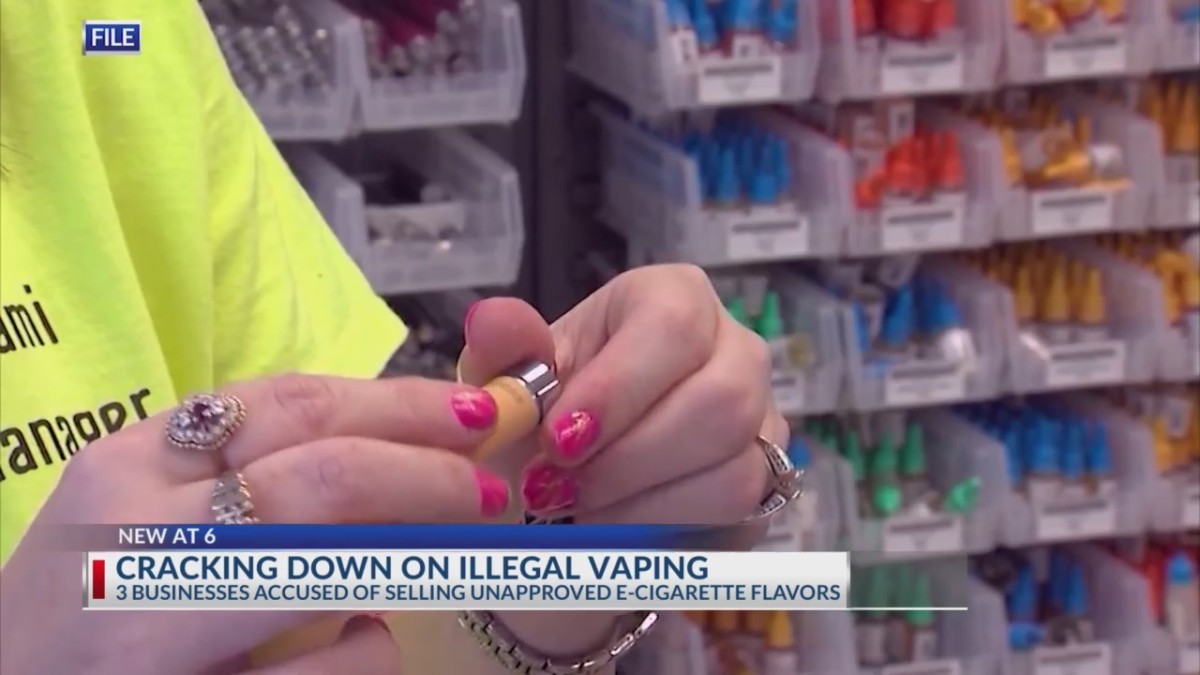
Image credit: RNZ
We welcome news tips, article submissions, interview requests, or comments on this piece.
Please contact us at info@2firsts.com, or reach out to Alan Zhao, CEO of 2Firsts, on LinkedIn
Notice
1. This article is intended solely for professional research purposes related to industry, technology, and policy. Any references to brands or products are made purely for objective description and do not constitute any form of endorsement, recommendation, or promotion by 2Firsts.
2. The use of nicotine-containing products — including, but not limited to, cigarettes, e-cigarettes, nicotine pouchand heated tobacco products — carries significant health risks. Users are responsible for complying with all applicable laws and regulations in their respective jurisdictions.
3. This article is not intended to serve as the basis for any investment decisions or financial advice. 2Firsts assumes no direct or indirect liability for any inaccuracies or errors in the content.
4. Access to this article is strictly prohibited for individuals below the legal age in their jurisdiction.
Copyright
This article is either an original work created by 2Firsts or a reproduction from third-party sources with proper attribution. All copyrights and usage rights belong to 2Firsts or the original content provider. Unauthorized reproduction, distribution, or any other form of unauthorized use by any individual or organization is strictly prohibited. Violators will be held legally accountable.
For copyright-related inquiries, please contact: info@2firsts.com
AI Assistance Disclaimer
This article may have been enhanced using AI tools to improve translation and editorial efficiency. However, due to technical limitations, inaccuracies may occur. Readers are encouraged to refer to the cited sources for the most accurate information.
We welcome any corrections or feedback. Please contact us at: info@2firsts.com