PMI and KT&G Increase Convenience Store HNB Equipment Margins to 7% in Response to Retailer Demands

PMI by 2FIRSTS.ai
Dec.26.2024
PMI and KT&G Increase Convenience Store HNB Equipment Margins to 7% in Response to Retailer Demands
KT&G and Philip Morris Korea to increase convenience store profits on HTP devices, consumer prices remain unchanged.

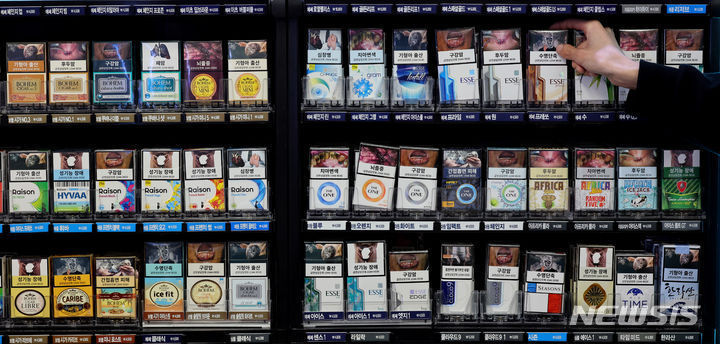
According to a report from Newsis on December 26th, Korean Tobacco (KT&G) and Philip Morris International (PMI) Korea announced that they will increase the profit margin for convenience store owners selling heated tobacco products (HTP). This is aimed at strengthening mutual relationships with store owners, while keeping consumer purchase prices unchanged. This means that the wholesale prices of these products will be reduced from current levels.


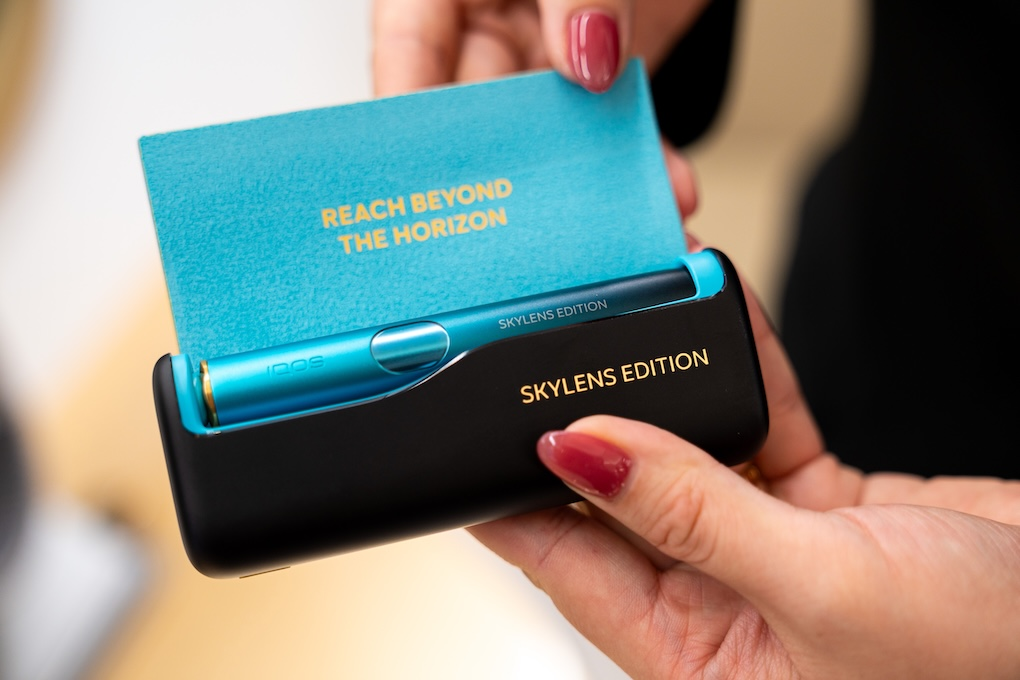
According to industry sources from convenience stores on the 26th, the Korean Tobacco and Philip Morris International (PMI) Korea have decided to increase the profit margin of their heated tobacco devices "Lil" and "IQOS" from the original 6% to 7% in convenience stores. The purchase price for consumers will remain unchanged.


During an audit by the Small and Medium Risk Enterprise Committee of the National Assembly's Industry, Trade, and Resources Committee in South Korea, some lawmakers pointed out that the profit margin for store owners of heated tobacco devices is only 6%, while the profit margin for heated tobacco pods is as high as 9%. In response, Do Hak-young, the Vice President of KT&G, stated that they will proactively adjust the profit margin.


British American Tobacco Korea (BAT Rothmans) stated that they are still in a wait-and-see period regarding profit margin adjustments. In addition, Japan Tobacco International Korea (JTI Korea) launched its e-cigarette product "Ploom" in October, but it is only being sold in select regions.


We welcome news tips, article submissions, interview requests, or comments on this piece.

Please contact us at info@2firsts.com, or reach out to Alan Zhao, CEO of 2Firsts, on LinkedIn


Notice

1.  This article is intended solely for professional research purposes related to industry, technology, and policy. Any references to brands or products are made purely for objective description and do not constitute any form of endorsement, recommendation, or promotion by 2Firsts.

2.  The use of nicotine-containing products — including, but not limited to, cigarettes, e-cigarettes, nicotine pouchand heated tobacco products — carries significant health risks. Users are responsible for complying with all applicable laws and regulations in their respective jurisdictions.

3.  This article is not intended to serve as the basis for any investment decisions or financial advice. 2Firsts assumes no direct or indirect liability for any inaccuracies or errors in the content.

4.  Access to this article is strictly prohibited for individuals below the legal age in their jurisdiction.


Copyright


This article is either an original work created by 2Firsts or a reproduction from third-party sources with proper attribution. All copyrights and usage rights belong to 2Firsts or the original content provider. Unauthorized reproduction, distribution, or any other form of unauthorized use by any individual or organization is strictly prohibited. Violators will be held legally accountable.

For copyright-related inquiries, please contact: info@2firsts.com


AI Assistance Disclaimer


This article may have been enhanced using AI tools to improve translation and editorial efficiency. However, due to technical limitations, inaccuracies may occur. Readers are encouraged to refer to the cited sources for the most accurate information.

We welcome any corrections or feedback. Please contact us at: info@2firsts.com

Canada Faces Growing Debate as Youth Nicotine Pouch Use Reaches 34.8%
New Canadian research shows that 34.8% of people aged 17 to 27 have tried nicotine pouches, up more than fourfold from 7.6% in 2022. The findings come as Conservative politicians, Alberta’s government and the tobacco industry push Ottawa to relax current restrictions on pouch sales.
Jun.12
Special Report | Russian Vape Compromise Faces First Hurdles
Russia’s regional vape-ban model is facing early legal and political tests, as Perm Krai moves ahead before federal legislation is fully adopted. The case highlights uncertainty over regional authority, concerns from business groups about market fragmentation, and the risk that pressure against regional bans could revive calls for a stricter nationwide prohibition.
Industry Insight
May.28
FDA Commissioner Marty Makary Resigns After Opposing Trump Administration’s Flavored Vape Push
FDA Commissioner Marty Makary resigned on May 12 after opposing the Trump administration’s push to authorize fruit-flavored vaping products, according to reporting by The New York Times. Makary reportedly objected over concerns that flavored vapes could attract young people and refused to support broader approvals.
News
May.13
KT&G Q1 2026 Financial Results: Revenue at $1.156 Billion, E-Cigarettes to Launch Independent Overseas Expansion
KT&G reports a 27.6% increase in Q1 operating profit, with traditional and new tobacco sectors driving growth.
May.07 by 2FIRSTS.ai
 RFK Jr. Spokesman Resigns Over FDA Authorization of Fruit-Flavored Vapes
RFK Jr. Spokesman Resigns Over FDA Authorization of Fruit-Flavored Vapes
Richard Danker, a senior public affairs official in Health Secretary Robert F. Kennedy Jr.’s team, resigned from his role at HHS over the FDA’s recent authorization of fruit-flavored vaping products. In a resignation letter addressed to President Donald Trump, Danker argued that the products could expose minors to nicotine addiction, lung damage, and increased cancer risks, while also conflicting with recent HHS guidance on youth risks associated with flavored nicotine products.
News
May.15
FDA 2025 NYTS: Youth E-Cigarette Use Declines but Unauthorized Disposables Remain Prominent; Nicotine Pouch Use Stays Low
The U.S. Food and Drug Administration (FDA) released its 2025 National Youth Tobacco Survey analysis, saying about 2.01 million U.S. middle and high school students currently used any tobacco product; among current youth e-cigarette users, unauthorized disposable brands including Geek Bar, Elf Bar, Lost Mary and Raz had high reported shares, potentially making them a focus for future enforcement.
Jun.24