Key points:
·High fines: Individuals face fines of 50,000 to 200,000 rubles (approximately $604 to $2,406), public officials face fines of 300,000 to 500,000 rubles (approximately $3,900 to $6,500), and businesses face fines of 1 million to 2 million rubles (approximately $13,000 to $20,000).
·Filling legal gaps: The law will introduce a clear definition of e-cigarettes and related consumables.
·Health risks: The law aims to curb the popularity of e-cigarettes among teenagers and reduce uncontrolled nicotine consumption.
·Comprehensive ban: Advocates of the law believe that a comprehensive ban on e-cigarette sales will help protect public health and prevent the influx of illegal products.
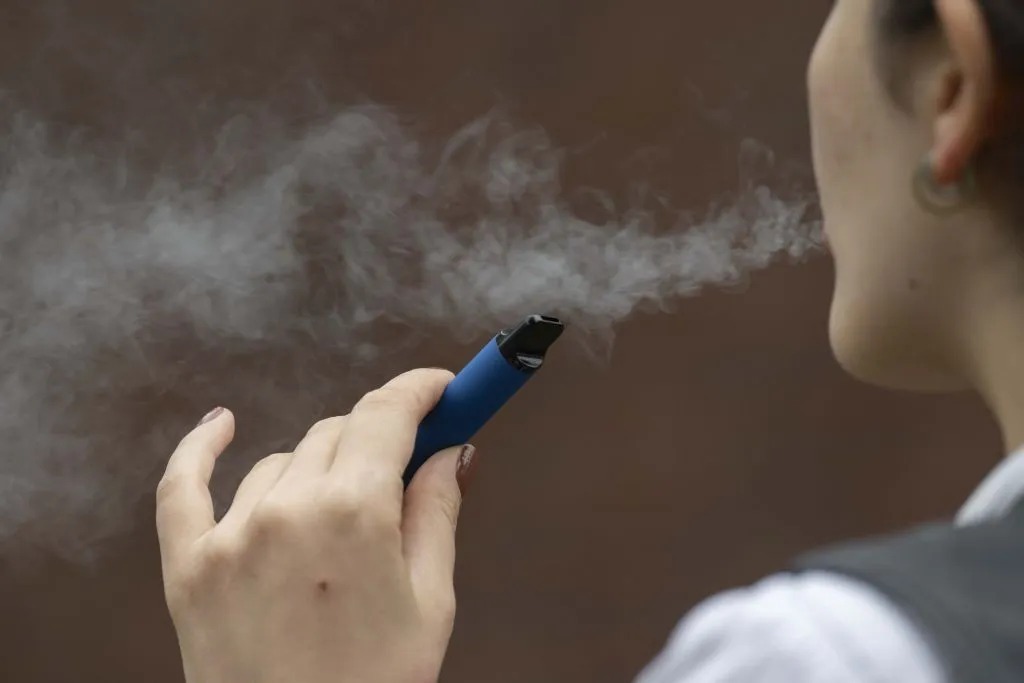
Russia is preparing a law to crackdown on the sale of e-cigarettes, as reported by rg.ru on September 16, 2025. The proposed law would impose fines on retail and wholesale sales of e-cigarettes. Specifically, if the amendment is passed, individuals could face fines ranging from 50,000 to 200,000 rubles (approximately $604 to $2,406), public officials would be fined 300,000 to 500,000 rubles (approximately $3,900 to $6,500), and businesses would be required to pay 1,000,000 to 2,000,000 rubles (approximately $13,000 to $26,000).
In order to fill in the gaps in existing laws regarding the definition of e-cigarettes and related consumables, the proponents of the proposal advocate for the introduction of clear terminology. Advocates of the bill believe that with the increasing popularity of e-cigarettes, especially among young people, the lack of detailed legislation will lead to serious health issues. They point out that the smokeless and odorless nature of e-cigarettes makes them easy to use in public places, leading to unregulated nicotine consumption.
The main advocate of the bill, Sergey Mironov, has written to leaders of all parties in the State Duma, urging them to support and become co-authors of the proposal. He emphasized in his comments that the key to this bill is to curb the popularity of e-cigarettes among young people, in order to protect the health of the public, especially adolescents.
Another author of the bill, Dmitry Gusev, added that a comprehensive ban on the sale of e-cigarettes would help protect public health and curb the influx of products through illegal channels. He believes this is a fair measure for both young people and society as a whole.
We welcome news tips, article submissions, interview requests, or comments on this piece.
Please contact us at info@2firsts.com, or reach out to Alan Zhao, CEO of 2Firsts, on LinkedIn
Notice
1. This article is intended solely for professional research purposes related to industry, technology, and policy. Any references to brands or products are made purely for objective description and do not constitute any form of endorsement, recommendation, or promotion by 2Firsts.
2. The use of nicotine-containing products — including, but not limited to, cigarettes, e-cigarettes, nicotine pouchand heated tobacco products — carries significant health risks. Users are responsible for complying with all applicable laws and regulations in their respective jurisdictions.
3. This article is not intended to serve as the basis for any investment decisions or financial advice. 2Firsts assumes no direct or indirect liability for any inaccuracies or errors in the content.
4. Access to this article is strictly prohibited for individuals below the legal age in their jurisdiction.
Copyright
This article is either an original work created by 2Firsts or a reproduction from third-party sources with proper attribution. All copyrights and usage rights belong to 2Firsts or the original content provider. Unauthorized reproduction, distribution, or any other form of unauthorized use by any individual or organization is strictly prohibited. Violators will be held legally accountable.
For copyright-related inquiries, please contact: info@2firsts.com
AI Assistance Disclaimer
This article may have been enhanced using AI tools to improve translation and editorial efficiency. However, due to technical limitations, inaccuracies may occur. Readers are encouraged to refer to the cited sources for the most accurate information.
We welcome any corrections or feedback. Please contact us at: info@2firsts.com