Key Points
- The bill would include synthetic nicotine vapes and vape liquids within the legal definition of “tobacco.”
- Lawmakers agreed to delay the bill due to concerns over side effects and stockpiling risks.
- Rep. Kim Ki-pyo (김기표) warned that a six-month grace period could enable bulk stockpiling to evade regulation.
- Rep. Na Kyung-won (나경원) argued that nicotine analogues and drug-mixed liquids would remain unregulated under the current definition.
- Deputy Prime Minister Koo Yun-cheol (구윤철) urged swift enactment, but Committee Chair Choo Mi-ae (추미애) requested government measures for nicotine analogues first.
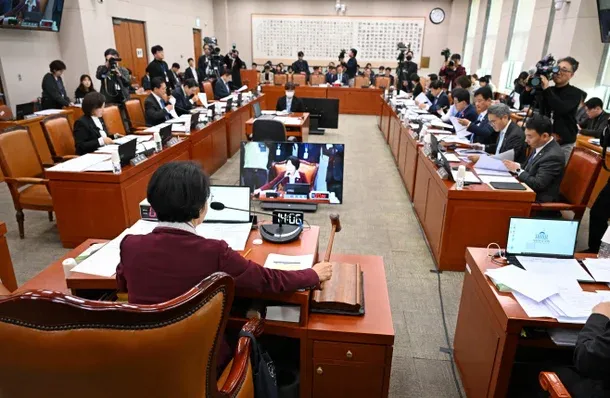
2Firsts, November 12, 2025 — According to Asia Today, South Korea’s amendment to the Tobacco Business Act, which seeks to regulate synthetic nicotine and vape liquids, has once again been delayed. Although the government has repeatedly stressed the urgency of the legislation, the National Assembly’s Legislation and Judiciary Committee decided on the 12th to defer the bill, with both ruling and opposition lawmakers calling for further review.
The amendment would redefine synthetic nicotine vapes circulating on the market as “tobacco,” thereby subjecting them to regulation and taxation. Currently, vape liquids face virtually no oversight, raising long-standing concerns regarding youth access and the risk of drug-mixed liquids, which has prompted strong calls from the government for swift legislation.
Previously, the bill faced delays due to opposition from certain vape industry groups citing insufficient evidence and potential harm to small retailers. After research commissioned by the Ministry of Health and Welfare showed that synthetic nicotine contains significant harmful substances, discussions had accelerated since last year. Still, lawmakers expressed concern over unintended consequences following implementation.
Rep. Kim Ki-pyo (김기표) of the Democratic Party stated that if the law takes effect six months after promulgation, the gap would allow businesses to stockpile products to evade regulation. He argued that the bill should be held longer for further consideration.
Rep. Na Kyung-won (나경원) of the People Power Party added that because the definition of tobacco hinges on nicotine content, products containing nicotine analogues or narcotic substances would remain difficult to regulate. She suggested amending the definition and basing enforcement on the “point of sale.”
Deputy Prime Minister and Finance Minister Koo Yun-cheol (구윤철) responded that concerns were thoroughly discussed in the Strategy and Finance Committee and stressed that regulation of synthetic nicotine must be included, urging rapid implementation.
However, Committee Chair Choo Mi-ae (추미애) stated that deliberations would resume only after the government prepares countermeasures for nicotine analogues, highlighting the growing concern of their spread.
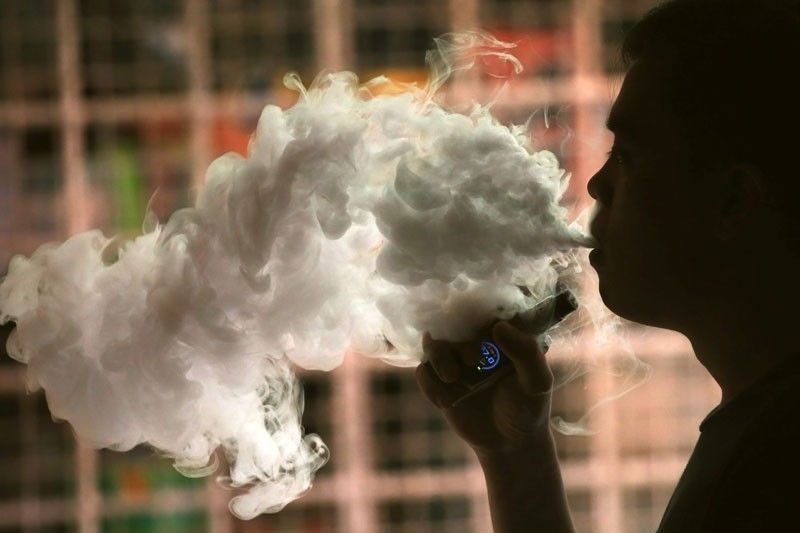
Image source: Asia Daily
We welcome news tips, article submissions, interview requests, or comments on this piece.
Please contact us at info@2firsts.com, or reach out to Alan Zhao, CEO of 2Firsts, on LinkedIn
Notice
1. This article is intended solely for professional research purposes related to industry, technology, and policy. Any references to brands or products are made purely for objective description and do not constitute any form of endorsement, recommendation, or promotion by 2Firsts.
2. The use of nicotine-containing products — including, but not limited to, cigarettes, e-cigarettes, nicotine pouchand heated tobacco products — carries significant health risks. Users are responsible for complying with all applicable laws and regulations in their respective jurisdictions.
3. This article is not intended to serve as the basis for any investment decisions or financial advice. 2Firsts assumes no direct or indirect liability for any inaccuracies or errors in the content.
4. Access to this article is strictly prohibited for individuals below the legal age in their jurisdiction.
Copyright
This article is either an original work created by 2Firsts or a reproduction from third-party sources with proper attribution. All copyrights and usage rights belong to 2Firsts or the original content provider. Unauthorized reproduction, distribution, or any other form of unauthorized use by any individual or organization is strictly prohibited. Violators will be held legally accountable.
For copyright-related inquiries, please contact: info@2firsts.com
AI Assistance Disclaimer
This article may have been enhanced using AI tools to improve translation and editorial efficiency. However, due to technical limitations, inaccuracies may occur. Readers are encouraged to refer to the cited sources for the most accurate information.
We welcome any corrections or feedback. Please contact us at: info@2firsts.com