Key Points
- BAT Rothmans confirmed it previously considered withdrawing from South Korea's vaping market, but its products remain on sale through existing channels.
- The company says it has been monitoring the market since South Korea introduced new nicotine regulation and will continue assessing the sustainability of its Vapour business.
- BAT's APMEA Vapour volume fell 20.2% year on year in H1 2026, while revenue declined 25.6%, or 28.2% at constant currency.
- BAT CEO Tadeu Marroco has said the group is exiting selected Asian markets where weak regulation and enforcement make it difficult to compete with illegal products, but BAT's public results materials did not explicitly identify South Korea as a completed market exit.
- PMI officially introduced VEEV inPRIME in South Korea in June 2026, with distribution expanding to around 14,000 convenience stores and other channels from July.
- The different approaches by BAT and PMI illustrate contrasting resource-allocation decisions as South Korea's nicotine regulatory environment changes.
2Firsts
August 14, 2026
British American Tobacco (BAT) is reassessing its vaping business in South Korea after previously considering an exit because of competition from unregulated products, BAT Rothmans said on Aug. 10, 2026. Following changes to the country's nicotine regulatory framework, the company has continued to monitor market conditions, while its vaping products remain available through existing distribution channels.
The statement followed a South Korean media report earlier that day saying BAT was fully withdrawing its Vapour business from the country. BAT Rothmans said it would continue evaluating the impact of regulatory changes on the market and explore ways to serve adult consumers on a sustainable basis.
At the same time, competitive conditions in South Korea's vaping market are shifting. Philip Morris International's Korean business launched VEEV inPRIME in June and has since expanded its retail reach, creating a contrast between BAT's reassessment of the category and PMI's new investment in the market.
BAT Considered an Exit, but South Korea Business Remains Active
South Korean outlet New Daily reported on Aug. 10 that BAT was withdrawing its Vapour business from South Korea and Indonesia and said Vuse and Nomad products were expected to be discontinued after existing stocks were depleted.
The report linked the move to comments made by BAT management around the company's 2026 first-half results.
BAT CEO Tadeu Marroco said some Asian markets lack appropriate regulation or enforcement, forcing regulated companies such as BAT to compete against illegal products and making it difficult to generate sustainable financial returns. He said the group had decided to exit certain markets after considering returns on investment and resource allocation.
BAT's publicly released half-year results and management comments, however, did not explicitly identify South Korea as a market where the exit had been completed.
BAT Rothmans subsequently provided a more specific description of its position in South Korea.
The company acknowledged that it had faced difficulties because of previously unregulated vaping products in the country and had considered withdrawing from the market.
Following the introduction of new nicotine regulations, however, BAT began reassessing local conditions.
BAT Rothmans said its vaping products continue to be sold through existing distribution channels and that the company would keep evaluating the impact of the regulatory changes.
The current position therefore appears to be a market reassessment rather than a completed full withdrawal. BAT has not committed to maintaining its existing business indefinitely, but neither has it announced that its South Korean Vapour operation has ended.
APMEA Vapour Revenue Falls 28% as BAT Reallocates Resources
BAT's reassessment of South Korea comes as the company reshapes its Vapour footprint globally.
In the first half of 2026, BAT's Vapour volume in Asia-Pacific, Middle East and Africa fell 20.2% year on year. Revenue declined 25.6% at reported exchange rates and 28.2% at constant currency.
BAT has attributed part of the decline in APMEA Vapour to strategic market exits and more selective resource allocation.
Marroco has said that in markets without sufficient regulation or enforcement, competing with illegal vaping products can make it difficult for legitimate operators to generate an acceptable return. BAT has therefore been withdrawing from some markets and concentrating resources where it sees stronger prospects for sustainable returns.
South Korea's previous regulatory structure formed part of the backdrop to BAT's review.
BAT introduced Vuse in the country in 2023 and subsequently expanded the range with several Vuse Go products. In November 2024, it also launched the synthetic-nicotine Nomad Sync 5000, with South Korea serving as the first market for the product.
Synthetic nicotine previously sat outside parts of South Korea's conventional tobacco regulatory and tax framework. The country has since changed its regulatory approach to bring synthetic nicotine products further within tobacco controls.
New Daily reported that while synthetic nicotine is now regulated, a 50% reduced rate on key tobacco-related taxes and charges will apply for two years. BAT Rothmans specifically cited the regulatory shift as a reason it is continuing to monitor the Korean market.
The company nevertheless continues to face broader concerns around illegal products sold through informal channels and other nicotine-like substances that may fall outside parts of the current regulatory definition.
PMI Expands VEEV in South Korea
While BAT assesses whether South Korea can support a sustainable Vapour business, rival PMI has been moving in the opposite direction.
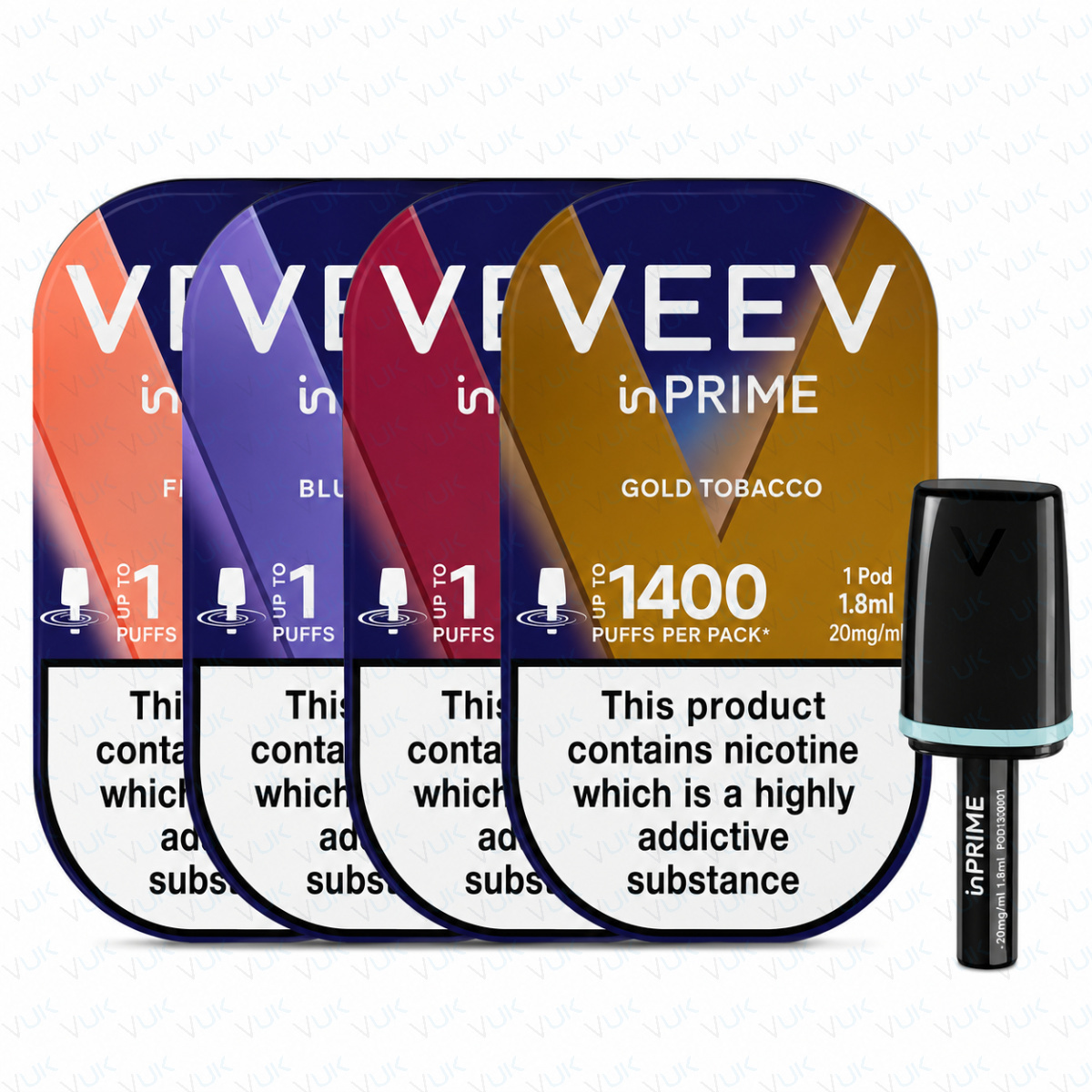
Philip Morris Korea officially launched its VEEV e-vapor brand in June 2026, introducing the VEEV inPRIME device and VEEBI inPRIME pods.
VEEV inPRIME is a rechargeable closed-pod system using PMI's AdvanceVape Induction System. The platform had already begun a phased rollout across several European markets between May and June 2026.
In South Korea, initial sales began in June, followed by nationwide distribution through around 14,000 convenience stores and other retail channels from July 2.
The launch also completed PMI's presence across three major smoke-free categories in the country: IQOS in heated tobacco, ZYN in nicotine pouches and VEEV in e-vapor.
That creates a notable contrast. At a time when BAT had considered reducing or withdrawing its Vapour presence in South Korea, PMI entered the category with a next-generation device and broad retail distribution.
There is no evidence that PMI's Korean VEEV launch was caused by BAT's earlier consideration of an exit. The companies also have different product portfolios, channel strategies and global resource-allocation priorities.
Their recent moves nonetheless provide a useful comparison of how multinational tobacco companies are responding to the same changing regulatory environment.
South Korea Enters a New Phase of Vape Investment Decisions
For BAT, the key question in South Korea is no longer simply consumer demand for vaping products. It is whether the new regulatory system can narrow the competitive gap between compliant brands and unregulated or illegal products enough to produce a sustainable return on investment.
BAT Rothmans has not denied that the group previously considered leaving the market. Its latest statement instead clarifies that the exit has not been completed: Vuse products remain on sale, and the company is waiting to see how regulation and enforcement reshape market conditions.
PMI's simultaneous rollout of VEEV inPRIME shows that another global tobacco company is increasing its exposure to the Korean vaping category at the same point in the regulatory transition.
The next phase of competition will therefore depend not only on whether BAT maintains Vuse in South Korea, but also on enforcement of the new nicotine rules, changes in the illegal market and whether regulated vaping brands can build sustainable economics under the new tax and regulatory structure.
The contrasting strategies of BAT and PMI make South Korea an important market for observing how regulatory formalisation can influence global tobacco companies' decisions on where to invest in vaping.
Follow 2Firsts for the latest insights into global nicotine industry developments, market trends and brand strategies.
Cover Image generated by AI

Disclaimer
This article is provided solely for professional research, industry discussion, and informational purposes. Any references to brands, companies, products, technologies, or policies are made for factual reporting and analytical purposes only, and do not constitute endorsement, recommendation, promotion, or advertising by 2Firsts.
Nicotine-containing products, including but not limited to cigarettes, e-cigarettes, heated tobacco products, and nicotine pouches, carry significant health risks. Readers are responsible for complying with all applicable laws and regulations in their respective jurisdictions, including age restrictions and access limitations.
The information contained in this article should not be regarded as investment, legal, medical, regulatory, or commercial advice. While 2Firsts strives to ensure the accuracy and reliability of its content, it does not assume liability for any direct or indirect loss arising from errors, omissions, inaccuracies, or reliance on the information contained herein.
This article is not intended for individuals below the legal age for accessing tobacco or nicotine-related information in their jurisdiction.
Copyright Notice
This article is either original content produced by 2Firsts or content reproduced, translated, summarized, or adapted from third-party sources with attribution where applicable. The intellectual property rights of the original content remain with 2Firsts or the respective original rights holders.
No individual or organization may copy, reproduce, distribute, republish, modify, translate, or otherwise use this content without prior authorization. Any unauthorized use may result in legal action.
For copyright-related inquiries, corrections, or removal requests, please contact: info@2firsts.com.
AI-Assisted Translation and Editing Notice
Portions of this article may have been translated, edited, or reviewed with the assistance of artificial intelligence tools to improve efficiency and readability. Due to the limitations of AI-assisted translation and editing, discrepancies, omissions, or inaccuracies may exist when compared with the original source.
Where applicable, readers are advised to refer to the original source for the most complete and accurate information. If you identify any errors or believe that any content infringes upon your rights, please contact us at info@2firsts.com, and we will review and address the matter promptly.