Key Takeaways
- Source: Korea CDC’s Youth Health Panel Survey (2025) Final Results Report
- Design: panel of 5,051 sixth-graders established in 2019; annual follow-up planned for 10 years (through three years post–high school graduation)
- Smoking shift: lifetime tobacco experience 9.59% in 11th grade; among 11th-grade girls, liquid e-cigarettes 1.54% vs cigarettes 1.33% (current use)
- Alcohol: lifetime experience 60.8% (by “a sip” standard); new drinking experience highest at transition to 7th grade (15.6%)
- Other indicators: breakfast skipping 33.0%; ≥60 minutes physical activity 13.5%; smartphone overdependence 35.1%; moderate-or-higher anxiety 8.0%
2Firsts, Feb 10, 2026
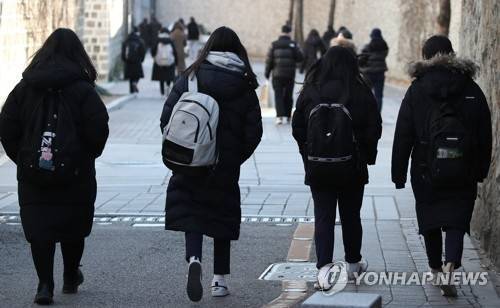
According to a report published via Daum, the Korea Disease Control and Prevention Agency (질병관리청) said findings from its Youth Health Panel Survey (2025) Final Results Report show that major adolescent health indicators clearly worsen as grade level increases, across smoking and drinking, diet, and physical activity.
The report says the study is a long-term panel project: a cohort of 5,051 students who were sixth-graders in 2019 is being followed annually for a total of 10 years, through three years after high school graduation. The 2025 final report marks the seventh year of the project and provides a detailed analysis of data from the sixth year of completed fieldwork—corresponding to the cohort’s 11th-grade year in 2024.
One of the most notable changes highlighted is smoking behavior. Lifetime tobacco experience (having used tobacco at least once) rose from 0.35% in sixth grade to 3.93% in ninth grade and 6.83% in 10th grade, reaching 9.59% in 11th grade. Among 11th-grade girls, current use of liquid e-cigarettes was 1.54%, surpassing conventional cigarettes at 1.33% for the first time, the report says.
Alcohol experience also increased rapidly. Lifetime drinking experience measured by a “sip” standard was 60.8%, and the rate measured by at least “one glass” was 33.7%. The “new drinking experience” rate was highest at the transition to 7th grade (15.6%), which the report describes as a particularly vulnerable period for exposure.
Physical health indicators were also cited as worsening: the breakfast-skipping rate (skipping breakfast at least five days a week) rose by 4.0 percentage points year-on-year to 33.0%; consumption of fruit, vegetables, milk and dairy products declined; and only 13.5% reported at least 60 minutes of daily physical activity. The report says this reflects a structural pattern of longer study time and reduced exercise time as students advance in grade.
On mental health, the report cites smartphone overdependence at 35.1% and moderate-or-higher anxiety at 8.0%. It also says peer and family environments were significant factors, with permissive peer attitudes and the presence of smoking friends, as well as household smoking/drinking and permissive parental attitudes toward youth drinking, associated with earlier initiation.
The report says the Korea CDC plans to track changes more closely over the remaining three years until participants reach adulthood. It adds that panel retention remains high at 80.7%, and the agency described the survey as a key evidence base for policy design and institutional improvements, stressing the need for integrated efforts by schools, families and local communities.
Image source: Daum
We welcome news tips, article submissions, interview requests, or comments on this piece.
Please contact us at info@2firsts.com, or reach out to Alan Zhao, CEO of 2Firsts, on LinkedIn
Notice
1. This article is intended solely for professional research purposes related to industry, technology, and policy. Any references to brands or products are made purely for objective description and do not constitute any form of endorsement, recommendation, or promotion by 2Firsts.
2. The use of nicotine-containing products — including, but not limited to, cigarettes, e-cigarettes, nicotine pouchand heated tobacco products — carries significant health risks. Users are responsible for complying with all applicable laws and regulations in their respective jurisdictions.
3. This article is not intended to serve as the basis for any investment decisions or financial advice. 2Firsts assumes no direct or indirect liability for any inaccuracies or errors in the content.
4. Access to this article is strictly prohibited for individuals below the legal age in their jurisdiction.
Copyright
This article is either an original work created by 2Firsts or a reproduction from third-party sources with proper attribution. All copyrights and usage rights belong to 2Firsts or the original content provider. Unauthorized reproduction, distribution, or any other form of unauthorized use by any individual or organization is strictly prohibited. Violators will be held legally accountable.
For copyright-related inquiries, please contact: info@2firsts.com
AI Assistance Disclaimer
This article may have been enhanced using AI tools to improve translation and editorial efficiency. However, due to technical limitations, inaccuracies may occur. Readers are encouraged to refer to the cited sources for the most accurate information.
We welcome any corrections or feedback. Please contact us at: info@2firsts.com