Key points:
·A study in the UK has found that the smoking rate among adolescents who use e-cigarettes has risen to levels not seen since the 1970s, with one-third of current e-cigarette users still smoking.
·Data comparison shows that less than 5% of young people report smoking on a weekly basis at age 17, but this proportion rises to 33% among e-cigarette users.
·Experts believe that the use of e-cigarettes is driving the increase in smoking rates among adolescents, although there is some debate on this issue.
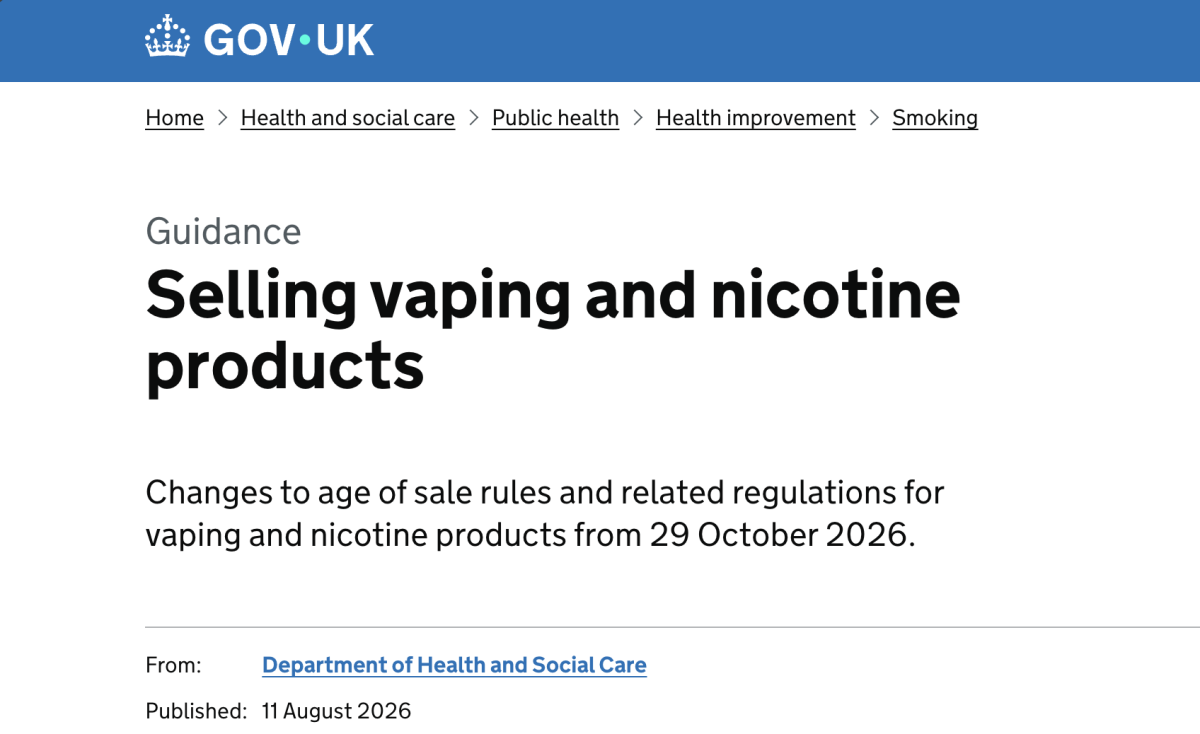
·In response to this trend, the UK government implemented a ban on disposable e-cigarettes in June to prevent teenagers from becoming addicted to nicotine.
【2Firsts News Flash】According to a report by The Telegraph on July 30th, a new study in the UK has found that the smoking rate among teenagers using e-cigarettes has risen to levels not seen since the 1970s, raising concerns about e-cigarettes becoming a pathway to tobacco addiction.
Despite a significant decrease in smoking rates among teenagers over the past 50 years, currently only 1.5% of teenagers smoke. However, among teenagers who use e-cigarettes, one third are still smoking. Researchers at the University of Michigan state that this proportion is consistent with teenage smoking rates from 1974.
Dr. Jessica Mongili from the University of Michigan's Center for Drug, Alcohol, Smoking, and Health Research stated:
“According to the data, overall nicotine use is still decreasing, but at a slower pace than before. This plateau in the decline is likely due to the increased use of e-cigarettes, especially among adolescents and young people. Although this study does not view e-cigarettes as a gateway or catalyst to smoking, there is plenty of research that supports this conclusion.”
Selling e-cigarettes to individuals under the age of 18 has been illegal since 2015. Despite the ban, an estimated one-third of young people have tried e-cigarettes by the age of 15. In recent years, the number of 11 to 15 year olds using e-cigarettes has doubled.
The government is increasingly concerned about the use of e-cigarettes by young people, and in June implemented a ban on disposable e-cigarettes to prevent children and adolescents from becoming addicted to nicotine through cheap, disposable devices.
The National Health Service (NHS) in the UK has warned that e-cigarette users may become addicted within days, as nicotine can affect concentration, hinder learning and cognitive abilities in young people, and increase fatigue, stress, and anxiety.
A new study has found that less than five percent of young people reported smoking every week at the age of 17. However, for those who had previously tried e-cigarettes, this proportion increased to one in ten, while for current e-cigarette users, it rose to 33 percent.
“The downward trend in smoking likelihood among adolescents who have used e-cigarettes is weakening, while for adolescents currently using e-cigarettes, this trend has reversed.”
Researchers have come to a conclusion.
Researchers suggest that lawmakers should focus on reducing the current use of e-cigarettes and preventing their further proliferation.
However, some experts warn that the link between smoking and e-cigarettes may not be causal - young people who are at risk for smoking due to factors such as poverty and low education levels are also more likely to use e-cigarettes.
Peter Hajek, a professor of clinical psychology at Queen Mary University of London, is a proponent of using e-cigarettes as a smoking cessation aid. He says:
“The more likely scenario is that this finding simply indicates that people interested in e-cigarettes are also interested in traditional cigarettes, much like people who drink white wine are more likely to try red wine compared to those who abstain from alcohol.”
Dr. Montalvo expressed that the study has examined whether adolescents smoke or use e-cigarettes solely because of the "higher risk," and found that even high-risk adolescents have a low likelihood of smoking if they do not use e-cigarettes.
“This is a very common belief, but it is not entirely correct. We examined the likelihood of e-cigarette use among high-risk and low-risk teenagers and found that the use of e-cigarettes does indeed increase the probability. In other words, the likelihood of smoking among high-risk teenagers who have never used e-cigarettes remains low.”
She added.
This research was published in the journal "Tobacco Control".
We welcome news tips, article submissions, interview requests, or comments on this piece.
Please contact us at info@2firsts.com, or reach out to Alan Zhao, CEO of 2Firsts, on LinkedIn
Notice
1. This article is intended solely for professional research purposes related to industry, technology, and policy. Any references to brands or products are made purely for objective description and do not constitute any form of endorsement, recommendation, or promotion by 2Firsts.
2. The use of nicotine-containing products — including, but not limited to, cigarettes, e-cigarettes, nicotine pouchand heated tobacco products — carries significant health risks. Users are responsible for complying with all applicable laws and regulations in their respective jurisdictions.
3. This article is not intended to serve as the basis for any investment decisions or financial advice. 2Firsts assumes no direct or indirect liability for any inaccuracies or errors in the content.
4. Access to this article is strictly prohibited for individuals below the legal age in their jurisdiction.
Copyright
This article is either an original work created by 2Firsts or a reproduction from third-party sources with proper attribution. All copyrights and usage rights belong to 2Firsts or the original content provider. Unauthorized reproduction, distribution, or any other form of unauthorized use by any individual or organization is strictly prohibited. Violators will be held legally accountable.
For copyright-related inquiries, please contact: info@2firsts.com
AI Assistance Disclaimer
This article may have been enhanced using AI tools to improve translation and editorial efficiency. However, due to technical limitations, inaccuracies may occur. Readers are encouraged to refer to the cited sources for the most accurate information.
We welcome any corrections or feedback. Please contact us at: info@2firsts.com