Philip Morris Challenges Disposable Vape Ban in Swiss Canton, Federal Court to Deliver Key Ruling

Jun.27.2025
PMI challenges Swiss canton's puff ban in court, citing federal law violations and harm to adult smokers. The case could redefine health policy authority in Switzerland, amid growing national restrictions.

Key points:

·Controversy: The focus of controversy is the revision of the health law in the Swiss canton of Vaud, which completely bans the sale of disposable e-cigarettes; Philip Morris International (PMI) has accused the ban of infringing on the right of adult smokers to choose their products. 

·Positions: The government believes that e-cigarettes are easy to induce young people to smoke; businesses believe that it hinders the promotion of reduced-harm alternative products. 

·Background: Several Swiss cantons have legislated to restrict new tobacco products; the federal parliament has also passed a motion for a nationwide ban; PMI plans to launch a new puffed tobacco product by 2025. 

·Judicial impact: The federal court's ruling will clarify the boundaries of local health legislation powers and the regulatory standards for new tobacco products. According to Agefi's report on June 26, Philip Morris International (PMI) has filed an appeal with the Federal Court in Switzerland over the decision to ban the sale of disposable e-cigarettes (puffs) in one canton. The ban, which went into effect on May 1, 2025, is part of the revision of their local health law.


According to a June 26 report by Agefi, Philip Morris International (PMI) has appealed to Switzerland’s Federal Court against a canton-level ban on the sale of disposable e-cigarettes (known as puffs). The ban took effect on May 1, 2025, as part of a revision to the cantonal health law.


Xavier Bertelletto, head of the canton’s public health office, stated that puffs are “playful, attractive, and highly addictive” products that could lead young people to start using tobacco, prompting the decision to prohibit their sale.


PMI, whose Swiss headquarters is located in Lausanne, opposes the ban on legal grounds, arguing that it contravenes federal law. Xavier Ducarroz, Managing Director of PMI Switzerland, questioned whether the canton has the authority to impose such measures in the realm of public health. He added that the ban threatens legal certainty and business stability.


At the same time, PMI is defending its own disposable e-cigarette products, which were launched in early 2025. The company argues that the ban unfairly penalizes adult smokers who are seeking alternatives.


The case has sparked national debate. Other regions in Switzerland, such as Jura, are also considering similar legislative actions. At the federal level, a motion to ban disposable e-cigarettes nationwide has already been adopted by the Council of States. The forthcoming ruling by the Federal Court is expected to be a pivotal case in clarifying the division of regulatory authority over public health between different levels of government in Switzerland.


2Firsts will continue to follow developments in this case and its potential implications for the Swiss and broader European vaping markets.


We welcome news tips, article submissions, interview requests, or comments on this piece.

Please contact us at info@2firsts.com, or reach out to Alan Zhao, CEO of 2Firsts, on LinkedIn


Notice

1.  This article is intended solely for professional research purposes related to industry, technology, and policy. Any references to brands or products are made purely for objective description and do not constitute any form of endorsement, recommendation, or promotion by 2Firsts.

2.  The use of nicotine-containing products — including, but not limited to, cigarettes, e-cigarettes, nicotine pouchand heated tobacco products — carries significant health risks. Users are responsible for complying with all applicable laws and regulations in their respective jurisdictions.

3.  This article is not intended to serve as the basis for any investment decisions or financial advice. 2Firsts assumes no direct or indirect liability for any inaccuracies or errors in the content.

4.  Access to this article is strictly prohibited for individuals below the legal age in their jurisdiction.


Copyright


This article is either an original work created by 2Firsts or a reproduction from third-party sources with proper attribution. All copyrights and usage rights belong to 2Firsts or the original content provider. Unauthorized reproduction, distribution, or any other form of unauthorized use by any individual or organization is strictly prohibited. Violators will be held legally accountable.

For copyright-related inquiries, please contact: info@2firsts.com


AI Assistance Disclaimer


This article may have been enhanced using AI tools to improve translation and editorial efficiency. However, due to technical limitations, inaccuracies may occur. Readers are encouraged to refer to the cited sources for the most accurate information.

We welcome any corrections or feedback. Please contact us at: info@2firsts.com

Hawaii's Largest Independent Vape Retailer and Wholesaler Volcano to Close All 13 Stores Ahead of 2027 Sales Rules
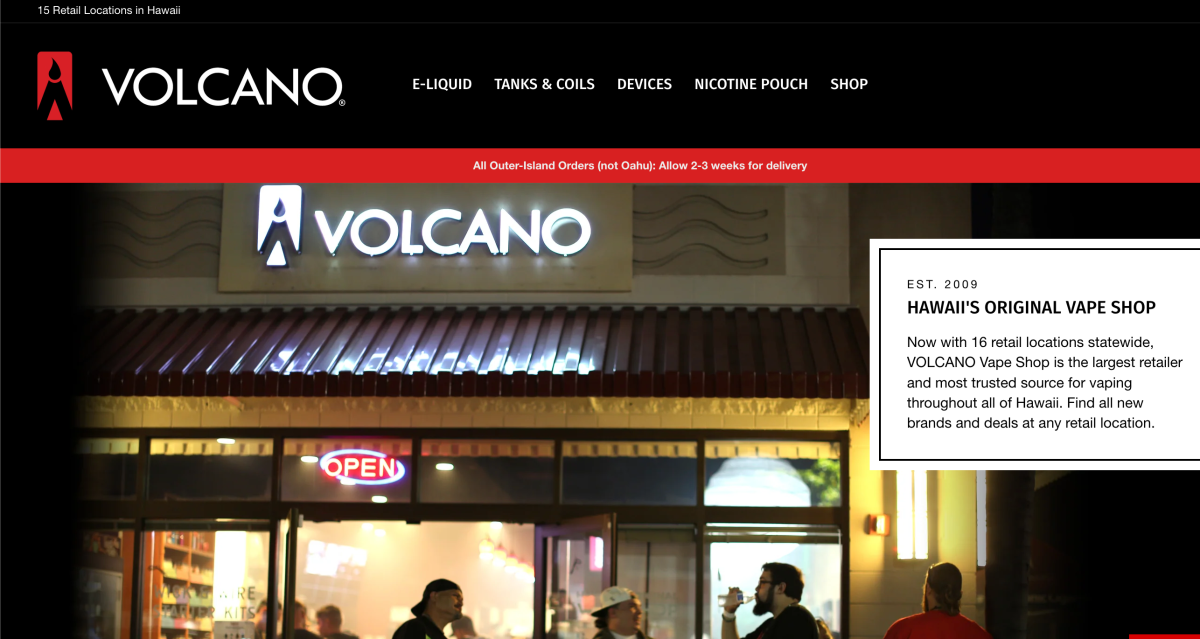
Hawaii-based vaping company Volcano eCigs plans to close all 13 physical retail stores on December 31, 2026, affecting approximately 56 employees. Volcano operates retail, wholesale, proprietary product and online sales businesses and has previously described itself in legislative testimony as Hawaii's largest independent vape retailer and wholesaler. Its operating company, Jocor Enterprises LLC, filed a formal closure notice on November 4, citing changes in the state's regulatory environment. From January 1, 2027, Hawaii will restrict the sale, acquisition and possession of vaping devices and e-liquids not listed in a state product directory, alongside separate restrictions on certain disposable devices. The closure concerns Volcano's physical retail network; the company has not announced the termination of wholesale or online operations.
Market
Nov.09
New York City Opens Lottery for 55 Vape Retail License Slots Across 23 Community Districts, Including 28 in Brooklyn
New York City's Department of Consumer and Worker Protection (DCWP) opened applications on November 2, 2026, for a lottery covering tobacco and electronic cigarette retail dealer licenses, with a deadline of 5 p.m. New York local time on November 30. According to the city's October 1 notice, 55 electronic cigarette retail license slots are available across 23 community districts, including 28 in Brooklyn, alongside 322 tobacco retail license slots across 41 districts. Businesses must enter the lottery and, if invited, complete licensing requirements within 65 days. New York City continues to restrict e-cigarette retail sales to tobacco-flavored or unflavored products, while city retail licenses do not replace FDA product marketing authorization.
Market
Nov.04
Product | BAT Revises Japan's VELO Convenience Store Lineup, Adding ¥380 Mango Pouches as Selected SKUs Exit
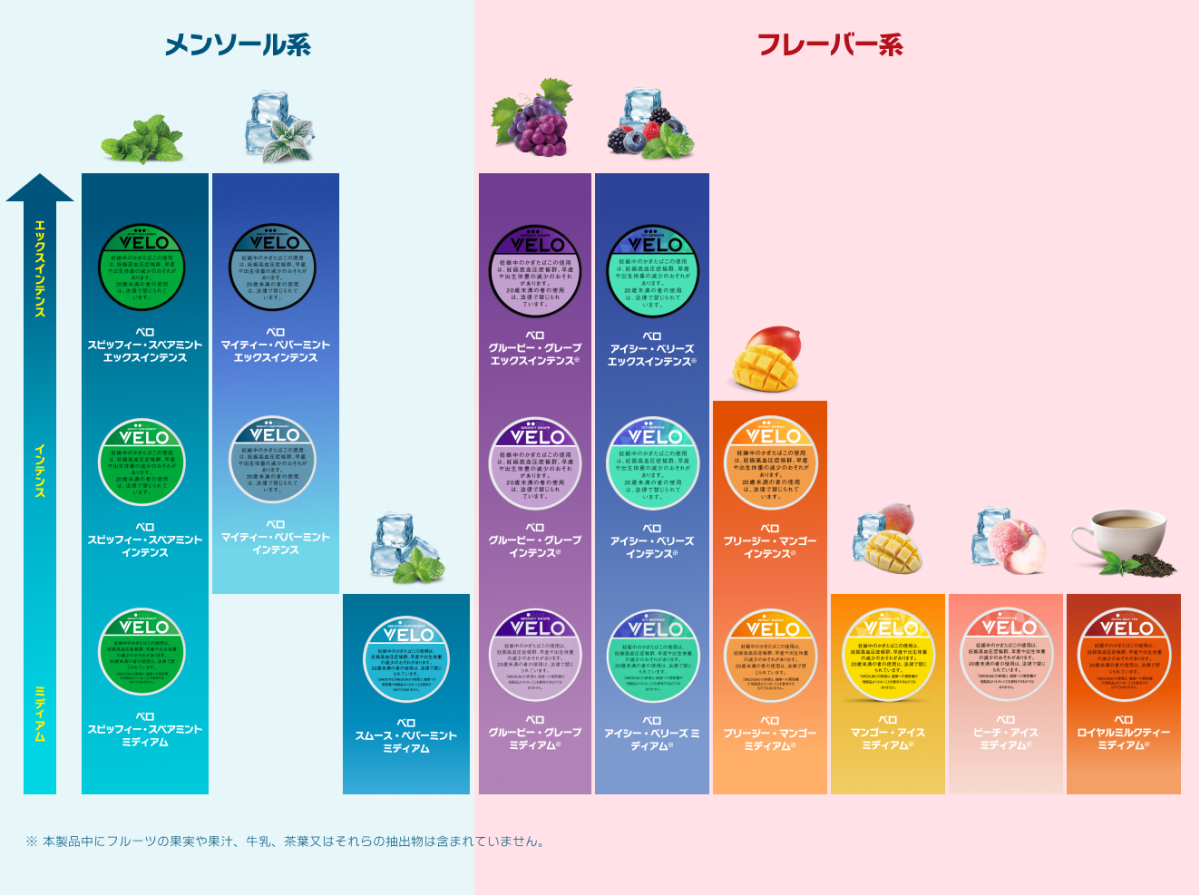
British American Tobacco's Japanese subsidiary, BAT Japan, launched VELO Mango Ice Medium on November 2, 2026, with distribution expanding to selected 7-Eleven, FamilyMart, NewDays and Seicomart stores from November 3. The new oral tobacco product contains 15 pouches per can and retails for ¥380, featuring a mango and cooling flavor profile at Medium intensity. At the same time, BAT Japan raised prices on multiple existing VELO products from ¥360 to ¥380 per can and withdrew selected SKUs from convenience store distribution without discontinuing them entirely. The changes affect product assortment, pricing and retail channel allocation.
product
Nov.04
Huabao International Buys Indonesian HNB Manufacturer for RMB 90 Million, Adding OEM/ODM Capacity
Huabao International Holdings Limited will acquire 100% of PT Broad Far Indonesia through two wholly owned subsidiaries for approximately RMB 90 million. The Indonesian company manufactures and sells heat-not-burn tobacco sticks and provides OEM/ODM services. The sellers are part of a related-party group controlled by Huabao International Chair and controlling shareholder Zhu Linyao. PT Broad Far Indonesia generated $4.37 million in revenue and $177,000 in profit after tax in the first half of 2026, while net assets stood at about $326,000 at June-end. An independent valuer assessed the company’s equity at approximately RMB 93.06 million. Following completion, the HNB manufacturing operation will be consolidated into Huabao International.
News
Sep.29 by 2Firsts Perspectives
Product|AIR Files U.S. PMTA for Crown Switch. Can Greentank's Chip Technology Deliver a Compliance and Competitive Advantage?
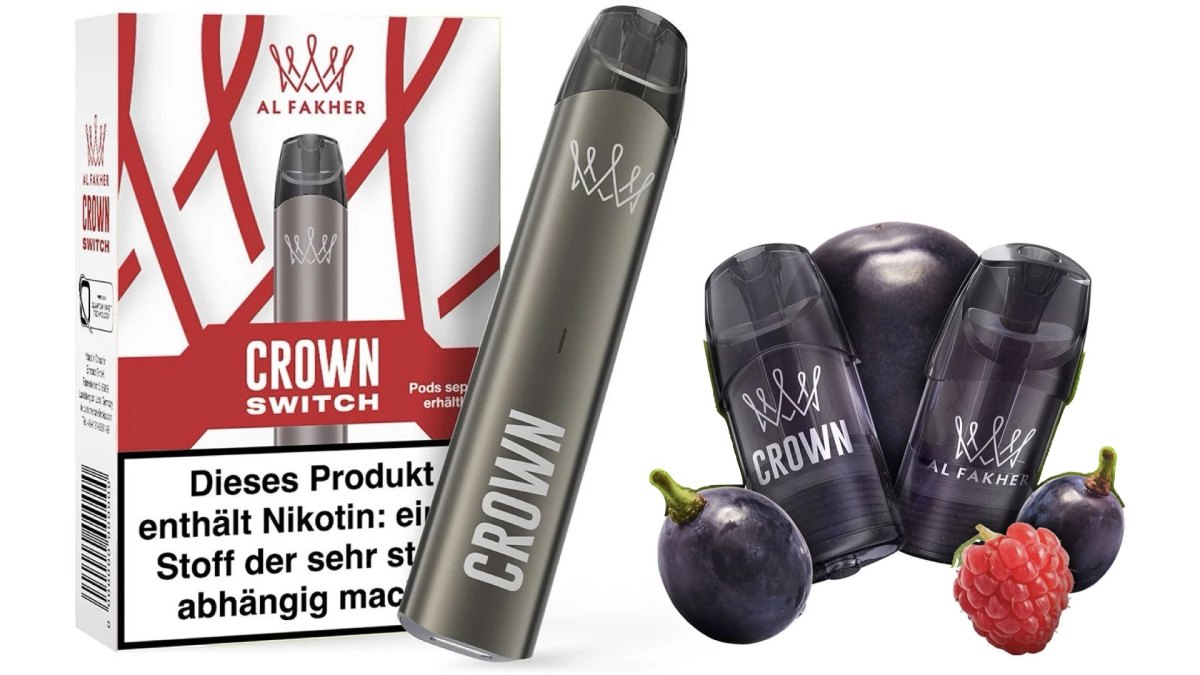
AIR Global PLC (NASDAQ: AIIR) announced on November 5, 2026, that it had submitted a Premarket Tobacco Product Application (PMTA) to the U.S. Food and Drug Administration (FDA) for Crown Switch, its rechargeable pod vape platform. First launched in Germany in November 2025, the device uses Quantum Chip atomization technology developed by Canadian vaporization technology company Greentank Innovations. German retail versions feature 2mL prefilled pods containing 18mg/mL nicotine in six flavors, while AIR has separately tested two 5% nicotine formulations intended for U.S. development. AIR invested $20 million in Greentank in July and reported approximately $3.4 million in U.S. PMTA-related regulatory costs for the first nine months of 2026. The Crown Switch application has been submitted, but the FDA has not granted marketing authorization.
product
Nov.13
South Korea's Tobacco Plan Excludes 6-Methyl Nicotine as Customs Tightens Import Controls and Analog Liquid Imports Fall 83%
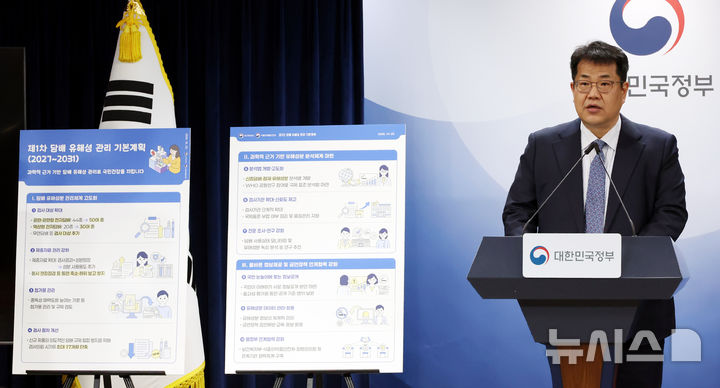
South Korea's government unveiled its first Tobacco Harm Management Basic Plan for 2027–2031 on October 29, 2026, proposing broader testing of vaping and heated tobacco products while excluding nicotine analogs such as 6-methyl nicotine. Synthetic nicotine came under tobacco regulation on April 24, and a June investigation found 6-methyl nicotine in 12 liquid inhalation products marketed as nicotine-free. Customs data released in September showed that imports of nicotine analog solutions fell 83.3%, from 12 metric tons in January–April to 2 metric tons in May–August. By September 20, imports had reached approximately 15 metric tons for the year, with 99.99% originating from China. Customs authorities have tightened pre-clearance testing and supply-chain documentation requirements, while the MFDS expects to complete its assessment of nicotine analog hazards by the end of 2026.
Regulations
Nov.04