Switzerland Tightens Vape Checks as Only 3 of 32 Tested Products Meet New Tobacco Rules

Aug.12
Switzerland Tightens Vape Checks as Only 3 of 32 Tested Products Meet New Tobacco Rules
According to Swiss media outlet Blick, local authorities are strengthening compliance checks on vape products, nicotine pouches and other tobacco-related products following the implementation of Switzerland’s revised Tobacco Products Act. A Basel laboratory tested 32 disposable vapes and e-liquids, with only three meeting regulatory requirements and 21 products banned from sale. Swiss authorities are also expanding retail inspections, laboratory testing and youth purchase checks to enforce the new tobacco and nicotine product rules.

Key Points

  • Switzerland’s revised Tobacco Products Act took effect on Oct. 1, 2024, creating unified rules for tobacco, vapes and nicotine products.
  • Basel authorities tested 32 disposable vapes and e-liquids, with only three compliant products.
  • Twenty-one products were banned due to issues including liquid capacity, nicotine levels and ingredients.
  • Zurich established a dedicated tobacco product enforcement unit with annual costs of about CHF800,000 ($900,000).
  • Youth purchase tests in Solothurn found violations in 24 of 80 checks, representing a 30% violation rate.

2Firsts

August 12, 2026

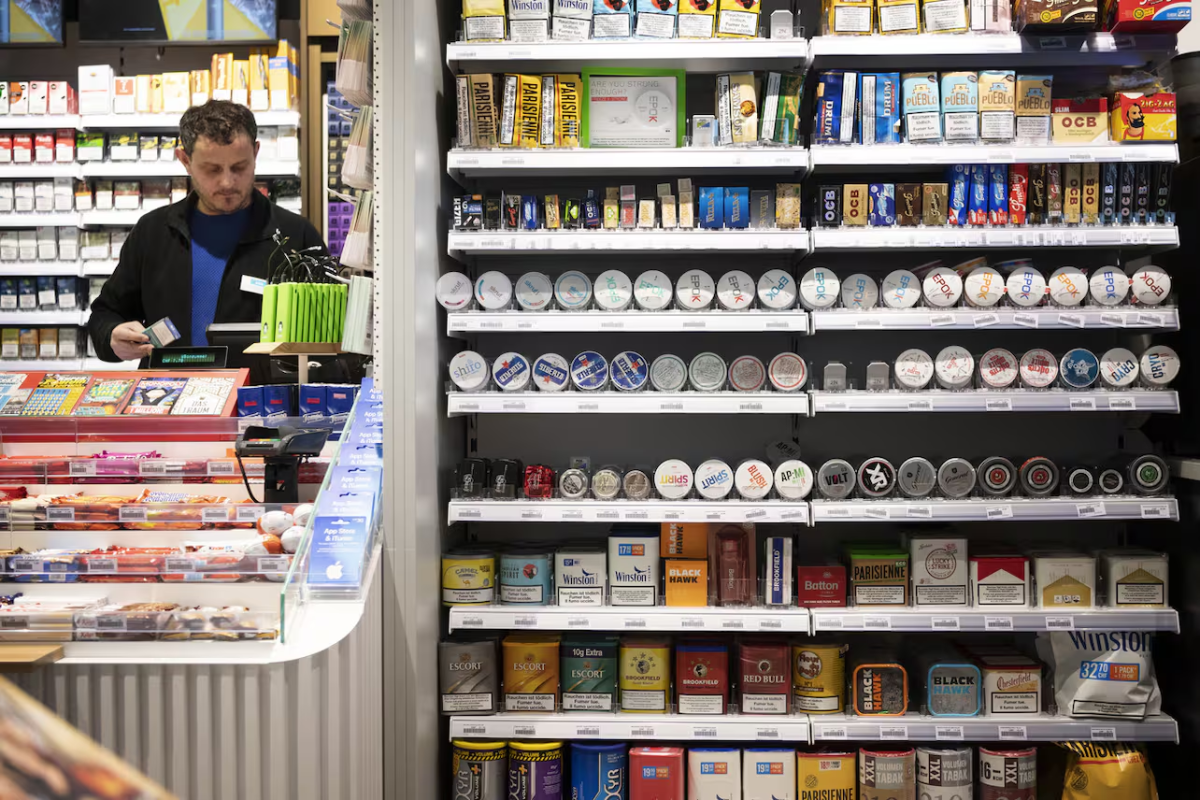
According to Swiss media outlet Blick on Aug. 4, 2026, local authorities are expanding compliance checks on vape products, nicotine pouches and other tobacco and nicotine products following the implementation of Switzerland’s revised Tobacco Products Act.

The revised tobacco rules took effect on Oct. 1, 2024, introducing nationwide requirements for cigarettes, vapes, nicotine pouches and other products containing tobacco or nicotine. The legislation aims to strengthen consumer protection, particularly for minors, while increasing compliance requirements for manufacturers and retailers.

Basel Testing Finds Only Three Compliant Vape Products

Swiss authorities have found that some vape products on the market do not meet the new regulatory requirements.

In Basel, the cantonal laboratory tested 32 disposable vapes and e-liquids.

The results showed:

  • only three products met regulatory requirements;
  • 21 products were banned from sale.

Authorities identified issues including:

  • excessive e-liquid capacity;
  • non-compliant nicotine levels;
  • problematic product ingredients.

A separate case involving a Geneva vape retailer also reached Switzerland’s Federal Supreme Court.

The retailer attempted to bypass capacity limits by selling a device with an additional tank that allowed it to hold more liquid than permitted. The court ruled that such a product could not be sold in Switzerland due to the risk of unintended excessive nicotine intake.

Cantons Expand Tobacco Product Enforcement Capacity

Following the implementation of the new rules, Swiss cantons have begun building more systematic tobacco product enforcement systems.

Zurich, Switzerland’s largest canton by population, created a dedicated tobacco product enforcement unit responsible for:

  • inspecting manufacturers;
  • checking retail stores and online shops;
  • reviewing advertising;
  • conducting laboratory testing.

The unit received funding for two additional full-time positions, with annual costs of about CHF800,000 ($900,000) covering personnel, test purchases and laboratory analysis.

The enforcement framework expands beyond traditional tobacco products to include vaping and nicotine products.

Youth Sales Remain Enforcement Priority

In addition to product compliance checks, Swiss authorities are using test purchases to determine whether retailers sell tobacco and nicotine products to minors.

In Solothurn, authorities conducted 80 test purchases and found 24 cases where businesses illegally sold tobacco products or vapes to minors.

The violation rate was:

30%

The figure was similar to the previous year’s rate of 31.3%.

Local authorities said cigarette use among young people has remained stable, while vapes and other nicotine products are becoming increasingly relevant among youth.

Switzerland Moves Into Stricter Vape Compliance Phase

Switzerland’s revised Tobacco Products Act has strengthened requirements not only for vape products but also for advertising, sales practices and youth protection.

The rules include:

  • banning sales of tobacco, nicotine and vape products to people under 18;
  • extending some indoor smoking restrictions to vapes and heated tobacco products;
  • restricting outdoor, cinema and public transport advertising.

For the vape industry, Switzerland’s regulatory shift means market access increasingly depends on product compliance, retail controls and marketing requirements.

As cantonal authorities continue enforcement activities, Switzerland’s vape and nicotine product market is entering a stricter compliance phase.

Follow 2Firsts for the latest updates on global tobacco and nicotine regulation, policy developments and industry trends.

Cover Image source: Blick

Germany Seizes 56 Pallets of Illegal Vapes, Probe Estimates €1.8 Million Tax Loss
German authorities have seized dozens of pallets of illegal disposable vapes in a criminal investigation, with the products estimated to have caused at least €1.8 million in tax losses. The case has also raised concerns over cross-border supply chains linked to unauthorized nicotine products entering the European market.
Jul.14
EU ‘TPD3’ Enters Next Phase on Aug. 14 as Fragmented Vape and Nicotine Pouch Rules Push the Single Market Toward Regulatory Overhaul
A 12-week European Commission consultation on revising the Tobacco Products Directive and Tobacco Advertising Directive is due to close on Aug. 14, 2026. The Commission has identified e-cigarette flavours, disposable vapes, tobacco heating devices, nicotine pouches, nicotine-free e-cigarettes, packaging and digital marketing among areas for possible new EU rules. National regulations already vary significantly across the bloc, a fragmentation the Commission says creates internal-market barriers and distorts competition. No formal revised TPD/TAD legislative text has yet been published, with the Commission currently indicating December 2026 for the legislative initiative.
Aug.14
Malaysia Liquid Nicotine Returns to Poisons List, Leaving Vape Retail and RM354 Million Tax Collection in Legal Uncertainty
Malaysia’s withdrawal of its appeal in a landmark liquid-nicotine case has left a High Court ruling that struck down the 2023 nicotine exemption in force, bringing liquid and gel nicotine used in vaping products back under the Poisons Act 1952. At the same time, the Control of Smoking Products for Public Health Act 2024 continues to provide a regulatory framework for vaping products, creating uncertainty over retail sales, taxation and existing inventory. MPs are calling for nicotine vape sales and excise collection to stop, including refunds of more than RM354 million collected since 2023, while industry and consumer groups are asking the government to clarify the current legal position.
Sep.04
Philippines Weighs Unified Vape Tax as Lawmakers Back Risk-Based Rates and Government Seeks to Fill ₱66 Billion Revenue Gap
Philippine lawmakers are considering an overhaul of the country's vape excise-tax regime to eliminate the wide gap between taxes on nicotine salt and freebase nicotine liquids and reduce incentives for misdeclaration. House Bill 5364, filed by Rep. Rufus Rodriguez and Rep. Maximo Rodriguez Jr., would impose a unified ₱10-per-milliliter tax on vapor products, with 5% annual increases beginning in 2027. Rodriguez says the proposal could generate an average ₱6 billion in annual collections from 2027 through 2030. The debate comes as the Philippine government considers tobacco, vape and other health-tax reforms to help offset around ₱66 billion in revenue expected to be forgone under a proposed tax-relief package.
Aug.18
Kantar Study Finds More Than 93% of Vape Products in Ukraine Fail Regulatory Requirements
According to Interfax-Ukraine, a study conducted by market research firm Kantar Ukraine at the request of major tobacco companies found that more than 93% of vape products in Ukraine did not fully comply with regulatory requirements. The research examined product categories, brand distribution and consumer purchasing channels, showing that pod systems and disposable vapes represent major segments of the market, while offline retail remains the dominant purchasing channel. The findings highlight ongoing compliance challenges in Ukraine’s vape market.
Aug.26
UK Sets Oct. 29 Start for New Vape Retail Rules Covering Age Checks, Giveaways and Discounts
The UK Department of Health and Social Care published new guidance on Aug. 11 outlining the next phase of retail rules under the Tobacco and Vapes Act 2026, which will take effect on Oct. 29, 2026. The measures extend the minimum age of sale of 18 to all vaping and consumer nicotine products and restrict proxy purchasing, promotional giveaways and substantial discounts. Relevant offences in England, Wales and Scotland may carry a £200 fixed penalty notice, while persistent offenders can face temporary sales bans.
Aug.12