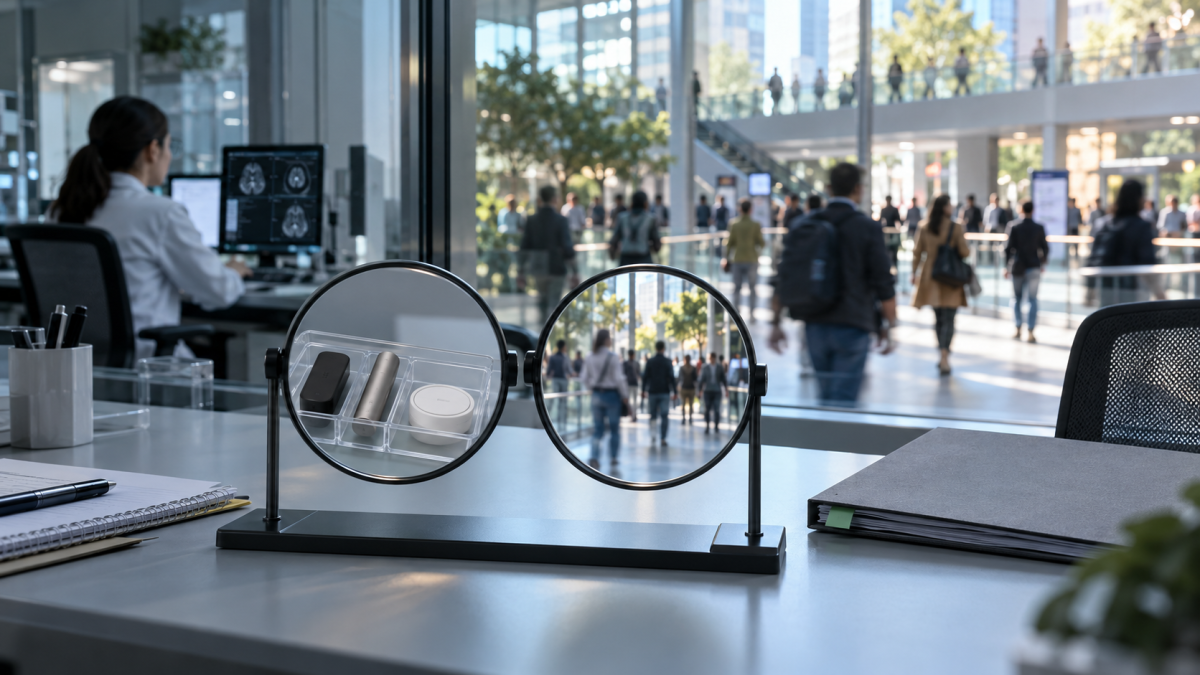
According to a report by BusinessTech on July 14, as more and more South Africans are switching from traditional cigarettes to e-cigarettes, the issue of increased electronic waste and its proper disposal has yet to be resolved.
According to experts in electronic waste management from the recycling group Desco, it is estimated that 95% of disposable e-cigarettes and related products will ultimately end up in landfills, posing a significant threat to the environment.
The South African government has been working to regulate the country's e-cigarette industry through the Tobacco Products and Electronic Delivery Systems Control Act.
Although the law will expire by the end of the sixth government before the national elections in 2024, it is almost certain to be included on the list for further consideration by the seventh parliament of the country.
However, the main focus of the bill is to regulate the sales and marketing of e-cigarettes (and other tobacco products), and government or industry participants have not yet taken consistent action on the rapid increase in electronic waste caused by e-cigarette use.
Desco is now urging manufacturers, retailers, and sellers to find ways to address this crisis.
One suggested method is to incentivize consumers to return used e-cigarettes and e-cigarette products for proper disposal.
We need to quickly increase the number of recycling drop-off points for e-cigarettes in convenient and visible locations, and provide adequate funding for a real recycling solution to recover materials.
The calls for a ban on the sale of disposable e-cigarettes will only continue to grow unless manufacturers, importers, and retailers adhere to and support their legal environmental responsibilities.
The government has identified the need to address electronic waste more effectively, and the 2023 Household Hazardous Waste Management Strategy outlines various plans to better incentivize recycling.
Some of the proposals include recycling programs and possible household taxes.
However, the government also acknowledges the reality in South Africa, such as the fact that waste management cannot be handled at a national level. The implementation of these plans will depend on local government and municipal authorities.
Many local governmental authorities are struggling to move forward under financial pressure and constraints, with normal waste collection already presenting a challenge -while hazardous waste management is even more complex and costly.
Therefore, funding continues to be a major obstacle.
We welcome news tips, article submissions, interview requests, or comments on this piece.
Please contact us at info@2firsts.com, or reach out to Alan Zhao, CEO of 2Firsts, on LinkedIn
Notice
1. This article is intended solely for professional research purposes related to industry, technology, and policy. Any references to brands or products are made purely for objective description and do not constitute any form of endorsement, recommendation, or promotion by 2Firsts.
2. The use of nicotine-containing products — including, but not limited to, cigarettes, e-cigarettes, nicotine pouchand heated tobacco products — carries significant health risks. Users are responsible for complying with all applicable laws and regulations in their respective jurisdictions.
3. This article is not intended to serve as the basis for any investment decisions or financial advice. 2Firsts assumes no direct or indirect liability for any inaccuracies or errors in the content.
4. Access to this article is strictly prohibited for individuals below the legal age in their jurisdiction.
Copyright
This article is either an original work created by 2Firsts or a reproduction from third-party sources with proper attribution. All copyrights and usage rights belong to 2Firsts or the original content provider. Unauthorized reproduction, distribution, or any other form of unauthorized use by any individual or organization is strictly prohibited. Violators will be held legally accountable.
For copyright-related inquiries, please contact: info@2firsts.com
AI Assistance Disclaimer
This article may have been enhanced using AI tools to improve translation and editorial efficiency. However, due to technical limitations, inaccuracies may occur. Readers are encouraged to refer to the cited sources for the most accurate information.
We welcome any corrections or feedback. Please contact us at: info@2firsts.com