The Health Risks of E-cigarettes in Brazil: A Warning.

Jul.31.2024
The Health Risks of E-cigarettes in Brazil: A Warning.
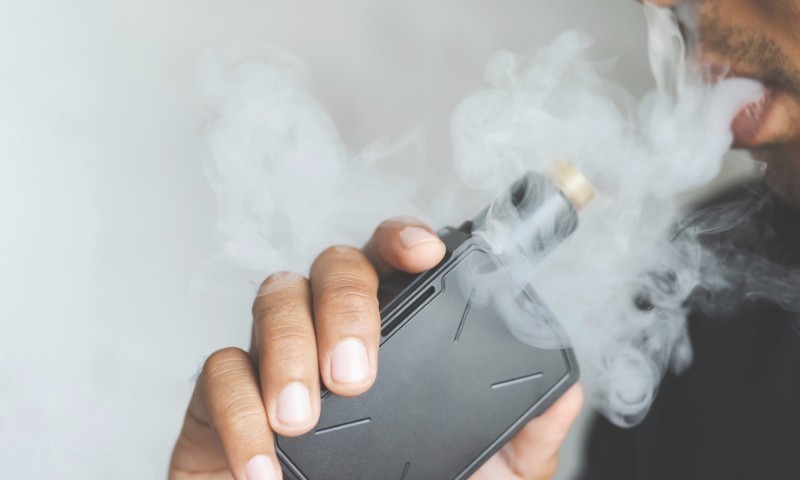
Brazil's health department in Espirito Santo warns of risks associated with e-cigarette use, highlighting potential health dangers and bans in place.

According to Tribunaonline news on July 30th, the Health Department of the state of Espirito Santo in Brazil issued a warning reminding people of the risks associated with using e-cigarette devices. The department emphasized that in Brazil, the production, import, sale, distribution, storage, transportation, and advertising of all e-cigarette devices are prohibited. Additionally, according to regulations established by the Brazilian National Health Surveillance Agency (ANVISA) this year, the use of any e-cigarette devices is also banned in enclosed environments.


The Ministry of Health has issued a warning stating that e-cigarettes are derivatives of tobacco and are related to tobacco dependence, a chronic disease caused by nicotine addiction in tobacco products. Experts believe that these devices may serve as a gateway product for other forms of tobacco use and lead to addiction.


The pulmonary specialist at the metropolitan area regional specialist center (CRE), Kristiane Rocha Moreira Soneghet, expressed.


These devices contain a certain level of nicotine, which could indeed lead people to use other forms of tobacco and maintain a dependence on nicotine, the appealing aroma could also contribute to this habit.


Dr. Christian further pointed out that it is crucial to raise awareness of the dangers of e-cigarettes. Due to the different flavors and smells of e-cigarettes compared to regular cigarettes, particularly among young people, they often perceive them as harmless to health.


This misunderstanding has made it difficult for many people to realize the dangers of e-cigarettes, leading users to be more resistant to quitting e-cigarettes. It is important to understand that most e-cigarettes contain nicotine, and even those without nicotine still have harmful factors. The vapor from e-cigarettes is not just water, as these substances can cause irritation when they come into direct contact with the respiratory system, leading to coughing, bronchitis, or serious acute inflammation, and even causing lung function failure, such as EVALI (e-cigarette-induced lung injury).


E-cigarettes are also related to cardiovascular diseases and coronary heart disease, potentially leading to myocardial infarction and peripheral circulatory system diseases such as thrombosis. In addition, both traditional cigarettes and e-cigarettes contain potential carcinogens.


In the state of Espirito Santo, the supervision of e-cigarettes is carried out jointly by the state health supervision department (VISA), the health department (Sesa), the state consumer protection and defense institute (Procon), the consumer police department, and the state public prosecutor's office (MPES). These departments are conducting educational actions targeting the younger population. Additionally, the public can also submit relevant opinions through the E-OUV system of the state audit office.


We welcome news tips, article submissions, interview requests, or comments on this piece.

Please contact us at info@2firsts.com, or reach out to Alan Zhao, CEO of 2Firsts, on LinkedIn


Notice

1.  This article is intended solely for professional research purposes related to industry, technology, and policy. Any references to brands or products are made purely for objective description and do not constitute any form of endorsement, recommendation, or promotion by 2Firsts.

2.  The use of nicotine-containing products — including, but not limited to, cigarettes, e-cigarettes, nicotine pouchand heated tobacco products — carries significant health risks. Users are responsible for complying with all applicable laws and regulations in their respective jurisdictions.

3.  This article is not intended to serve as the basis for any investment decisions or financial advice. 2Firsts assumes no direct or indirect liability for any inaccuracies or errors in the content.

4.  Access to this article is strictly prohibited for individuals below the legal age in their jurisdiction.


Copyright


This article is either an original work created by 2Firsts or a reproduction from third-party sources with proper attribution. All copyrights and usage rights belong to 2Firsts or the original content provider. Unauthorized reproduction, distribution, or any other form of unauthorized use by any individual or organization is strictly prohibited. Violators will be held legally accountable.

For copyright-related inquiries, please contact: info@2firsts.com


AI Assistance Disclaimer


This article may have been enhanced using AI tools to improve translation and editorial efficiency. However, due to technical limitations, inaccuracies may occur. Readers are encouraged to refer to the cited sources for the most accurate information.

We welcome any corrections or feedback. Please contact us at: info@2firsts.com

Philippines Mandates Safety Certification for Nicotine Pouches, Gives Industry 12 Months to Comply
The Philippines Department of Trade and Industry has placed nicotine pouches under mandatory product certification through Department Administrative Order No. 26-07, Series of 2026. Nicotine pouches must obtain a Philippine Standard, or PS, license before they can be manufactured, imported, packed, distributed or sold in the country. The regime requires testing for nicotine content, pH and water activity, while packaging must disclose nicotine strength, ingredients, allergens, batch information, the PS certification mark and prescribed health warnings. Existing market participants have a 12-month transition period to comply.
Regulations
Oct.12
Japan's Heated Tobacco Use Rises From 0.1% to 14.9% Over a Decade as Growth Extends Beyond Cigarette Switching
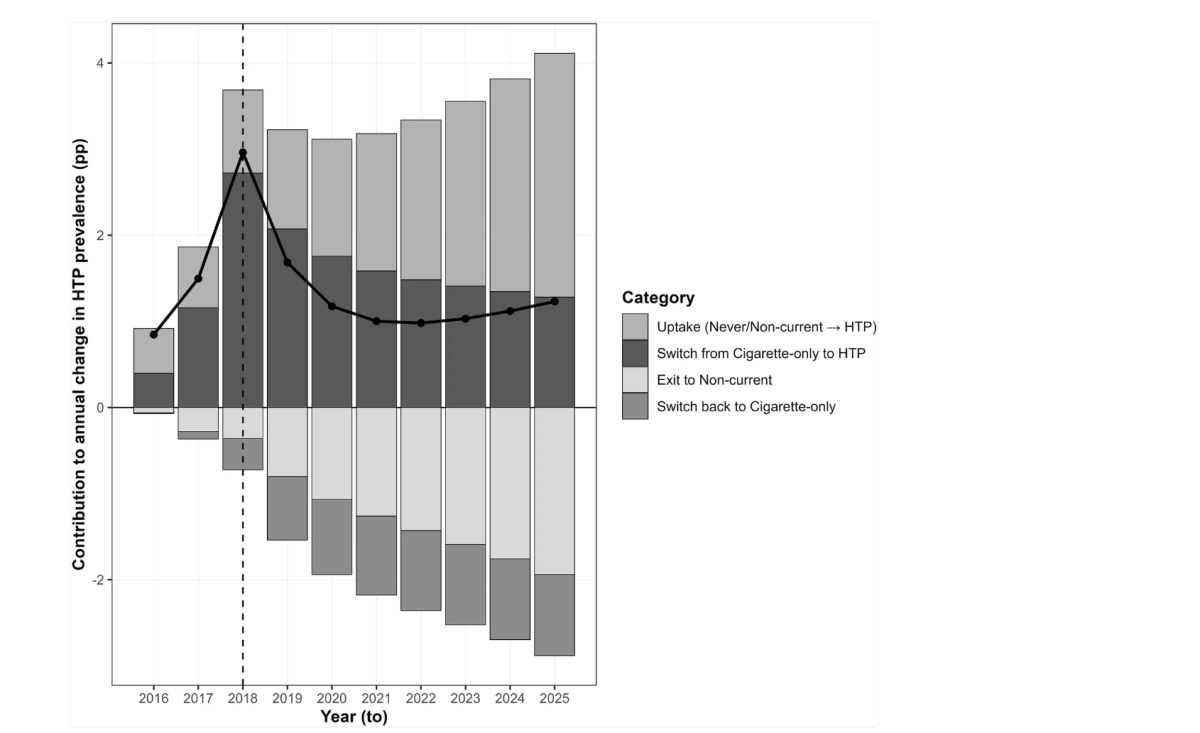
A decade-long study published in The Lancet Regional Health – Western Pacific found that heated tobacco product use in Japan increased from 0.1% in 2015 to 14.9% in 2025, although growth slowed after 2018. Switching from conventional cigarettes remained an important source of HTP uptake, while the contribution from previously non-current users increased. Approximately 56% of HTP users also smoked conventional cigarettes in 2025. Separate industry data show that Japan's heated tobacco sales reached 73.4 billion units in fiscal 2025, approaching conventional cigarette sales of 78.2 billion units.
SCIENCE
Nov.10
Sweden Finds ZYN Ingredient Labels Noncompliant Over Generic Flavoring Disclosure, Swedish Match Faces SEK 2 Million Monthly Penalty
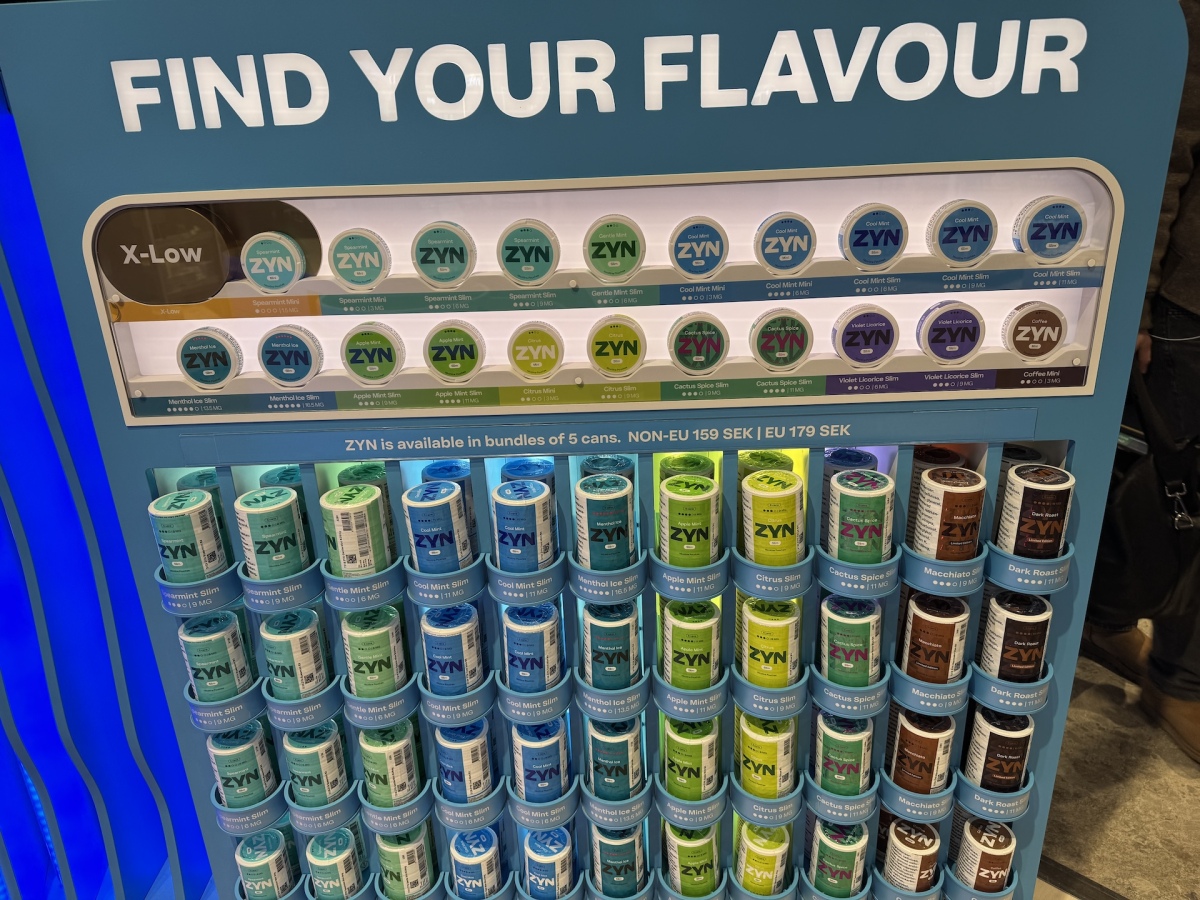
Sweden's Public Health Agency has found ingredient labels on ZYN nicotine pouches sold by Philip Morris International subsidiary Swedish Match to be noncompliant, according to Dagens industri. The products' packaging listed 10 to 13 ingredients, compared with 11 to 42 in regulatory submissions, with multiple flavoring ingredients grouped under the generic term "aromer." The agency ordered corrective action, warning of a conditional penalty of SEK 2 million per month for noncompliance. The order applies only to products manufactured after the decision becomes legally effective and does not require recalls. Swedish Match disputes the agency's interpretation and plans to appeal.
PMI
Oct.22
New York City Opens Lottery for 55 Vape Retail License Slots Across 23 Community Districts, Including 28 in Brooklyn
New York City's Department of Consumer and Worker Protection (DCWP) opened applications on November 2, 2026, for a lottery covering tobacco and electronic cigarette retail dealer licenses, with a deadline of 5 p.m. New York local time on November 30. According to the city's October 1 notice, 55 electronic cigarette retail license slots are available across 23 community districts, including 28 in Brooklyn, alongside 322 tobacco retail license slots across 41 districts. Businesses must enter the lottery and, if invited, complete licensing requirements within 65 days. New York City continues to restrict e-cigarette retail sales to tobacco-flavored or unflavored products, while city retail licenses do not replace FDA product marketing authorization.
Market
Nov.04
Product | NEXA Launches ULTRA 3 Vape in U.S. With 35mL Tank, Auto-Sealing System and Up to 100,000 Puffs
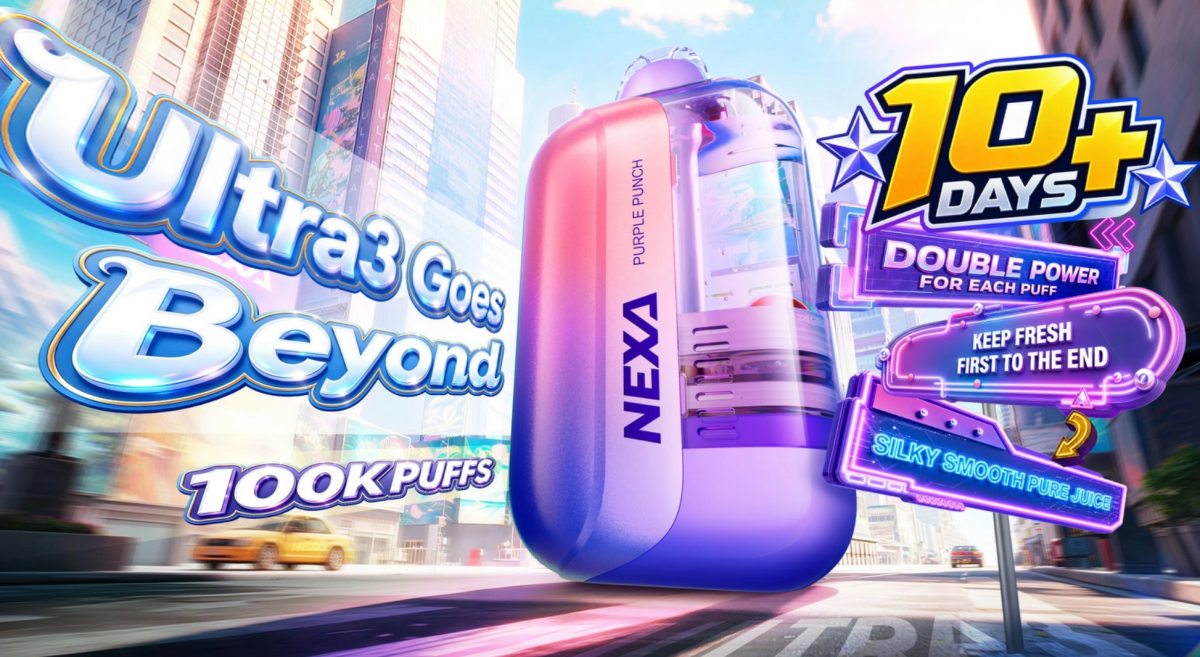
Vaping brand NEXA introduced its ULTRA 3 high-capacity disposable vape in the U.S. market in October 2026, featuring a 35mL transparent e-liquid tank, a Juicy Guard automatic sealing system and a 1,000mAh rechargeable battery. The device is advertised to deliver up to 100,000 puffs in Normal Mode. Compared with the ULTRA II introduced in 2025, the new model increases e-liquid capacity by 75%, raises battery capacity by approximately 11%, and upgrades its liquid-management architecture. NEXA is also offering a limited buy-five-get-five-free promotion to U.S. wholesalers. As of November 23, ULTRA 3 was not listed among FDA-authorized e-cigarettes or in the Iowa and Louisiana state product directories reviewed.
product
Nov.24
Iowa Sets November 16 Vape Directory Launch: Unlisted Products Face Sales Ban, Manufacturers $1,000 Daily Fines per Product
Iowa plans to publish its first vapor products directory on November 16, 2026, after which products not listed will be prohibited from sale or offer for sale in the state. The Department of Revenue expects to begin penalty enforcement on December 17, following an initial 21-business-day period focused on compliance education. Under House File 2677, retailers, distributors and wholesalers selling unlisted products face civil penalties of $300 per product per day, while manufacturers face $1,000 per product per day. Eligibility extends to FDA-authorized products and certain products meeting historical marketing and pending PMTA requirements. The directory program resumed after a federal appeals court vacated a preliminary injunction in July 2026.
Regulations
Nov.05