Potential Health Risks of Snus: A Popular Tobacco Alternative

Industry Insight by 2FIRSTS.ai
Jan.08.2024
Potential Health Risks of Snus: A Popular Tobacco Alternative
Snus, a popular tobacco alternative, is facing health concerns as experts warn of potential risks.

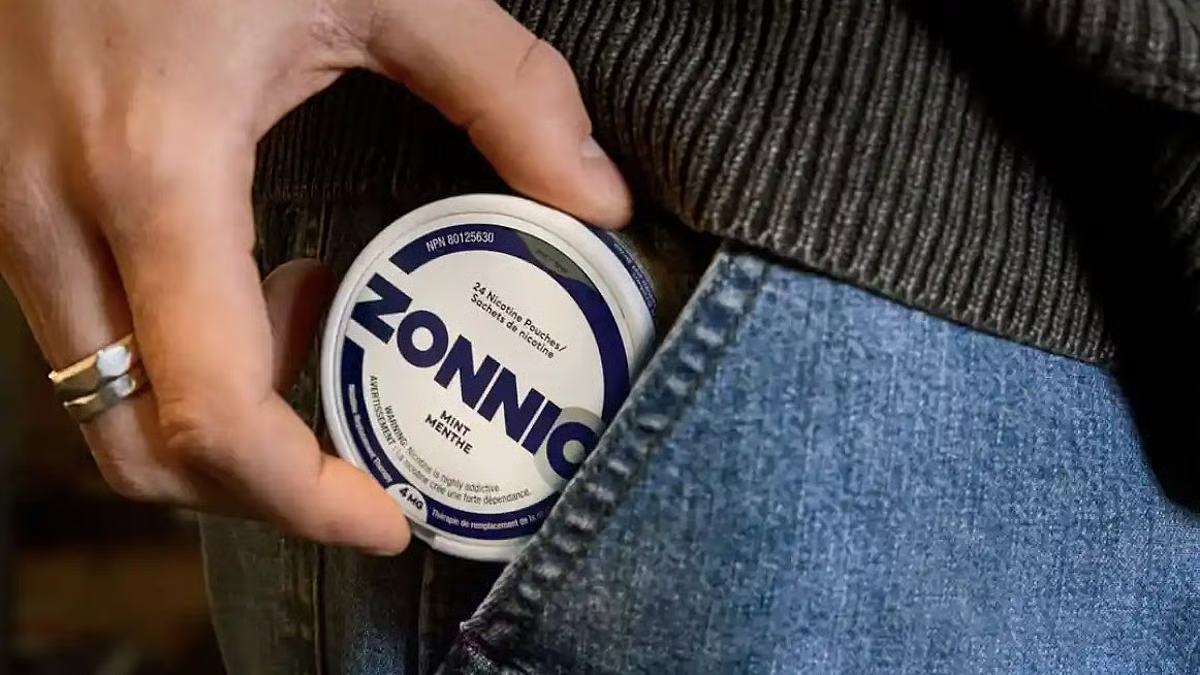
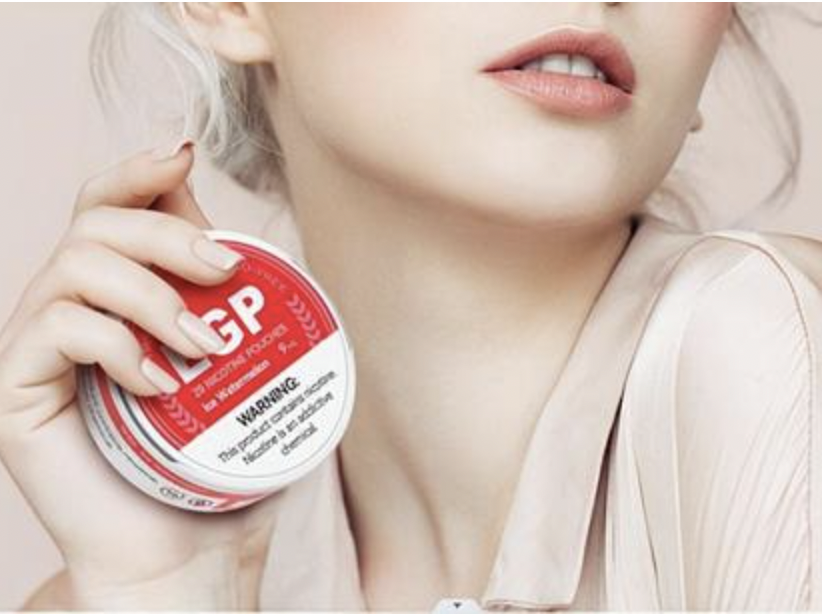
According to a recent report by LadBible, an alternative product called Snus (a tobacco-filled pouch) is gaining popularity, but experts are warning of potential health risks associated with this product. For those unfamiliar with this term, Snus is essentially a tobacco product that resembles small tea bags.


Snus, originating from Northern Europe, has been widely popular there and has actually become the most common type of tobacco product in Norway. It is also gaining increasing popularity among young people. However, in all European Union countries, as well as Australia and New Zealand, Snus is even illegal.


This small tobacco pouch is placed under a person's lip for approximately thirty minutes, often likened to a disposable tea bag. However, due to its nicotine content, Snus can be addictive.


Toxicology management consultant Libby Clarke has informed the media that the absorption of nicotine through oral products is slower compared to smoking cigarettes or e-cigarettes, suggesting that their potential for addiction may be lower.


However, a London dentist has warned on social media that using Snus by placing it on the gums may cause harm to the mouth, leading to gum disease and gingivitis, and possibly even pre-cancerous conditions. Currently, there is not a lot of data on the safety of Snus, but in theory, this product should be better than cigarettes, although it still poses health risks.


Pharmacist Ian Budd added that due to the presence of nicotine, Snus is considered an addictive substance, which is what initially leads to smoking addiction. Certain studies have indicated a potential correlation between Snus usage and higher rates of pancreatic cancer, heart failure, and diabetes, although research on this matter is still ongoing.


We welcome news tips, article submissions, interview requests, or comments on this piece.

Please contact us at info@2firsts.com, or reach out to Alan Zhao, CEO of 2Firsts, on LinkedIn


Notice

1.  This article is intended solely for professional research purposes related to industry, technology, and policy. Any references to brands or products are made purely for objective description and do not constitute any form of endorsement, recommendation, or promotion by 2Firsts.

2.  The use of nicotine-containing products — including, but not limited to, cigarettes, e-cigarettes, nicotine pouchand heated tobacco products — carries significant health risks. Users are responsible for complying with all applicable laws and regulations in their respective jurisdictions.

3.  This article is not intended to serve as the basis for any investment decisions or financial advice. 2Firsts assumes no direct or indirect liability for any inaccuracies or errors in the content.

4.  Access to this article is strictly prohibited for individuals below the legal age in their jurisdiction.


Copyright


This article is either an original work created by 2Firsts or a reproduction from third-party sources with proper attribution. All copyrights and usage rights belong to 2Firsts or the original content provider. Unauthorized reproduction, distribution, or any other form of unauthorized use by any individual or organization is strictly prohibited. Violators will be held legally accountable.

For copyright-related inquiries, please contact: info@2firsts.com


AI Assistance Disclaimer


This article may have been enhanced using AI tools to improve translation and editorial efficiency. However, due to technical limitations, inaccuracies may occur. Readers are encouraged to refer to the cited sources for the most accurate information.

We welcome any corrections or feedback. Please contact us at: info@2firsts.com

Study: Links between internalizing mental health symptoms and nicotine/tobacco use vary by gender identity among U.S. adolescents
A study using 2020–2023 U.S. data from the ITC Youth Tobacco and Vaping Survey (ages 16–19) reports that both nicotine/tobacco use and internalizing mental health (IMH) symptoms vary across disaggregated gender identities, and that gender identity moderates the relationship between IMH symptoms and product use.
Feb.27 by 2FIRSTS.ai
KDCA youth panel: health indicators worsen with grade level; liquid e-cigarette use tops cigarettes among 11th-grade students
Korea Disease Control and Prevention Agency’s Youth Health Panel Survey (2025) Final Results Report says key adolescent health indicators worsen as students move up grade levels. By 11th grade, lifetime tobacco experience rose to 9.59%. Among 11th-grade girls, current use of liquid e-cigarettes (1.54%) surpassed conventional cigarettes (1.33%) for the first time.
Feb.10 by 2FIRSTS.ai
Russia’s Duma Deputy Speaker Davankov calls for a total vape ban, citing drug sales disguised as vapes
Vladislav Davankov, deputy speaker of Russia’s State Duma, urged a nationwide ban on vapes, arguing it would help prevent drugs being sold under the cover of vaping products, including near schools. The remarks come as Russia prepares to enforce a separate ban on vape sales at public transport stops starting Sept. 1, 2026.
Feb.09 by 2FIRSTS.ai
Philippine Tobacco Control Coalition Backs Raising Legal Age for Vape and Tobacco Products to 25
A coalition of health and child rights advocates in the Philippines said it supports Health Secretary Teodoro Herbosa’s call to raise the legal age restriction for vape and tobacco products from 18 to 25. The group said scientific evidence shows that the brain of a young person continues to develop until the mid-20s, and that nicotine exposure during that period can cause lasting impairment in impulse control, learning, and mood regulation.
Mar.11 by 2FIRSTS.ai
Guam names retailers fined for selling tobacco to under-21 customers; penalties range from $2,000 to $4,000
Guam disclosed enforcement details for its 2025 tobacco retail compliance program, showing a 97.1% compliance rate among 277 inspected retailers. Nine violations were recorded, including eight underage sales cases and one signage violation, with fines ranging from $500 to $4,000.
Feb.10 by 2FIRSTS.ai
FDA Highlights Product Characterization as a Foundational Requirement in ENDS PMTA Reviews
During its ongoing PMTA roundtable, FDA emphasized that product characterization is a foundational element in the review of electronic nicotine delivery systems (ENDS). The agency underscored the need for complete product identifying information, validation and verification of test methods on the specific product type, and the appropriate use of tobacco product master files (TPMFs) to support complex or proprietary ingredients in PMTA submissions.
Feb.10