Key Points
• Market: UK convenience channel
• Source: Clarity by Talysis (EPoS data from thousands of independent and symbol-group convenience stores)
• Vapes: units -20.8%; value -12.7% (nearly eight months post-ban)
• Claimed impact: “triple whammy” of lower footfall, reduced turnover, higher store costs
• Driver: limited adoption of reusable products expected to replace disposables
• Purchase economics: pre-ban £5–£6 bought a 2ml disposable; now similar spend can buy 2×2ml pods, lowering visit frequency
• “Big puff” kits: about 2× the price but up to 500% more liquid, changing shopping patterns
2Firsts, Jan 27, 2026
According to UK convenience insight agency Talysis, its Clarity by Talysis platform shows vape unit sales in convenience stores have dropped 20.8%, while value sales are down 12.7%, nearly eight months after the disposable vape ban came into force.
Talysis attributes the downturn to a “triple whammy” for retailers: reduced footfall, lower turnover and rising store costs. The agency says the shift has been exacerbated by weaker-than-expected consumer adoption of reusable vaping products, which were expected to replace the lost sales from disposables.
Talysis managing director Ed Roberts said a roughly 21% fall in unit sales is a major blow for convenience stores because the category previously delivered strong turnover and regular footfall.
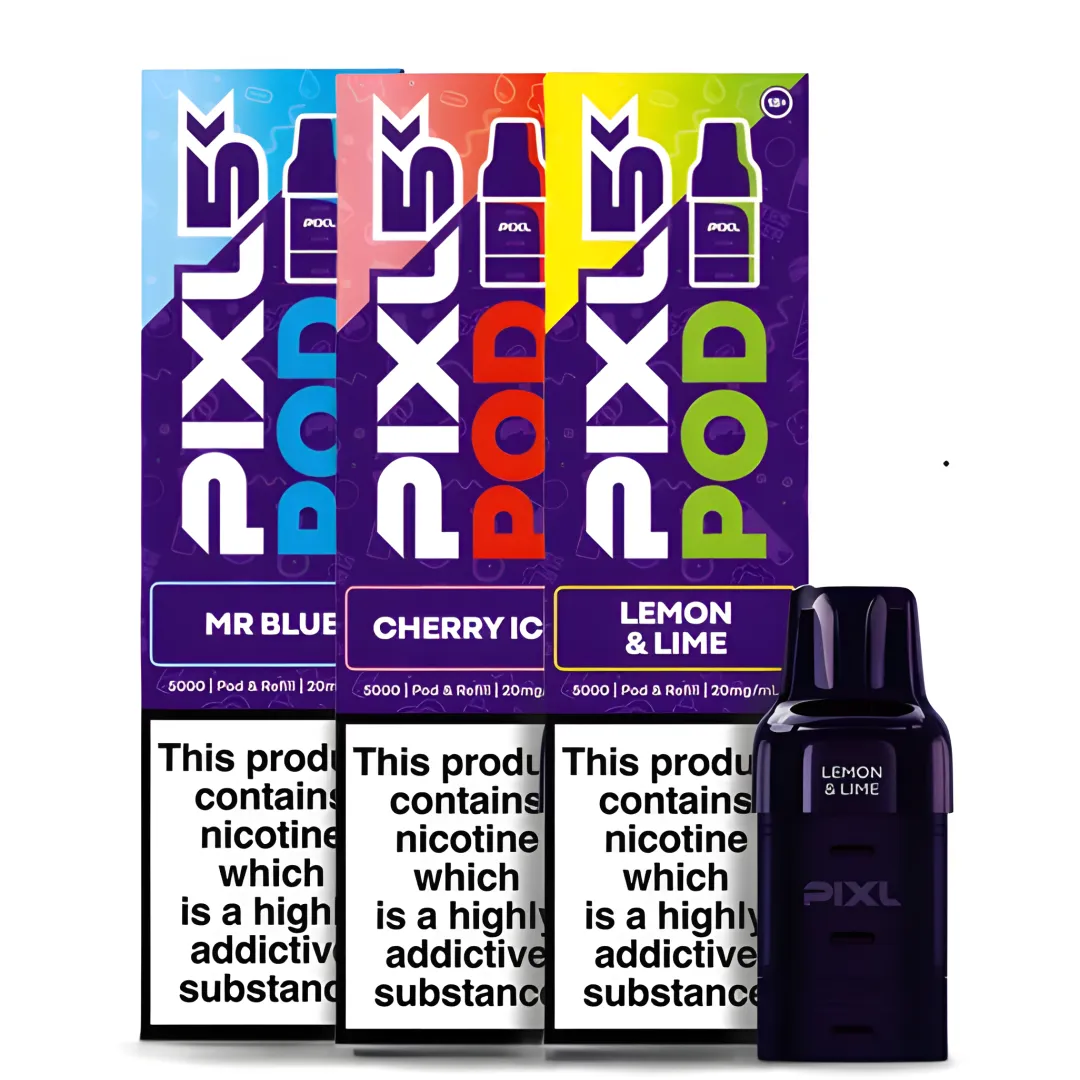
Clarity data also suggests overall vape consumption has not necessarily fallen, but changes in product formats have left retailers “losing out” on income. Talysis notes that before the ban, shoppers typically paid £5–£6 for a 2ml single-use vape; now, consumers can purchase 2×2ml pods for a similar price, which can reduce store visit frequency and footfall. The effect is compounded by “big puff” kits that cost around twice as much as a disposable yet can deliver up to 500% more liquid.
Talysis adds that merchandising and stock control have become more complex and time-consuming. Retailers now need to carry a broader range to capture both new-device purchases and refill sales, with more than 2,000 new vape barcodes introduced in 2025 alone.
At the broader category level, Talysis says tobacco remains the most important convenience category, but policy shifts such as the disposable ban can have a “monumental impact.” Clarity data shows tobacco and smoking alternatives’ share of the convenience market fell 2.1 percentage points year-on-year to 30.3%, representing an 8% decline in value and a 13.4% decline in volume. While most of the decline is still in traditional tobacco and cigarettes, Talysis warns vaping is “no longer replacing any of the lost sales.”
Roberts added that reducing single-use plastic is a clear goal, but the ban has not yet delivered its intended outcomes: new formats have not discouraged consumption and may have lowered costs in the short term. He pointed to weekly sales of around 1.5 million “big and small puff” reusable vapes as an indicator that many consumers continue to treat reusables as disposables. Whether incoming duty changes will alter the trend remains to be seen.
Image credit: Convenience Store.
We welcome news tips, article submissions, interview requests, or comments on this piece.
Please contact us at info@2firsts.com, or reach out to Alan Zhao, CEO of 2Firsts, on LinkedIn
Notice
1. This article is intended solely for professional research purposes related to industry, technology, and policy. Any references to brands or products are made purely for objective description and do not constitute any form of endorsement, recommendation, or promotion by 2Firsts.
2. The use of nicotine-containing products — including, but not limited to, cigarettes, e-cigarettes, nicotine pouchand heated tobacco products — carries significant health risks. Users are responsible for complying with all applicable laws and regulations in their respective jurisdictions.
3. This article is not intended to serve as the basis for any investment decisions or financial advice. 2Firsts assumes no direct or indirect liability for any inaccuracies or errors in the content.
4. Access to this article is strictly prohibited for individuals below the legal age in their jurisdiction.
Copyright
This article is either an original work created by 2Firsts or a reproduction from third-party sources with proper attribution. All copyrights and usage rights belong to 2Firsts or the original content provider. Unauthorized reproduction, distribution, or any other form of unauthorized use by any individual or organization is strictly prohibited. Violators will be held legally accountable.
For copyright-related inquiries, please contact: info@2firsts.com
AI Assistance Disclaimer
This article may have been enhanced using AI tools to improve translation and editorial efficiency. However, due to technical limitations, inaccuracies may occur. Readers are encouraged to refer to the cited sources for the most accurate information.
We welcome any corrections or feedback. Please contact us at: info@2firsts.com