Key Points
- Norwich will debate a vape deposit proposal.
- Each device could carry a refundable £5 deposit.
- A major Widnes fire was reportedly very likely caused by a vape.
- Vape regulation is expanding into take-back responsibility.
2Firsts
July 01, 2026
According to Birmingham Live and LADbible, Norwich City Council is set to debate a proposed vape deposit scheme that would require consumers to pay an extra £5 per device when buying a vape, with the deposit refunded when the used device is returned.
Local Motion Targets Battery Fires
The motion was put forward by James Wright, former Norwich City Council mayor and leader of the Liberal Democrat group. Wright said the proposal concerns public safety, as vapes and other lithium-battery products can cause fires when thrown into general waste.
The reports said two recycling centres in Norfolk had recently suffered fires, with lithium-ion batteries in vapes and other small electrical devices identified as a cause. When waste containing batteries is compacted, crushed or processed, damaged lithium batteries can enter thermal runaway and cause fires.
Runcorn and Widnes World also reported that a vape was very likely to have caused a major fire at a Widnes recycling facility on June 22. Public reports said the blaze involved about 450 tonnes of waste, drew around 20 fire engines at its height and was declared a major incident because of the scale of the fire and smoke plume. The case further shows that vape batteries entering the general waste stream can create real risks for recycling facilities, firefighters and nearby communities.
Wright said councils are bearing the cost of dangerous fires, contaminated recycling and clean-up, with those costs ultimately falling on local taxpayers. He also said littered and discarded vape devices are causing growing environmental harm.
Rob Curtis, protection lead for Norfolk Fire and Rescue Service, said the service supports anything that leads to the safe disposal of vapes and other items containing lithium-ion batteries.How the £5 Deposit Would Work
Under the proposed scheme, consumers would pay an extra £5 deposit at the till for every vape device purchased. The deposit would be refunded when the device is returned.
LADbible reported that shops selling vapes could be required to accept returned devices even if the products were not purchased there. That would give retailers a clearer take-back responsibility, not only a sales responsibility.
The proposal remains at the local council debate stage. Birmingham Live reported that the motion will be debated on Tuesday. It is not a UK-wide national rule already in force, and it does not mean all vape users in England are immediately required to pay a deposit.
However, the motion has policy significance. After the UK banned businesses from selling or supplying single-use vapes from June 1, 2025, local government attention is shifting from banning disposable products to managing vape devices that remain in the market and waste stream.
New Problem After Disposable Vape Ban
The UK has banned the sale and supply of single-use vapes, covering both nicotine and non-nicotine disposable products. Businesses that continue to sell, supply or stock single-use vapes for sale may face fines, product seizures and legal action.
But the reports said large numbers of banned disposable vapes, as well as legal rechargeable devices, are still being thrown into general rubbish instead of being recycled. That means vape waste has not disappeared because of the disposable ban.
The UK market is going through a product shift. After the ban on single-use vapes, some consumers have moved toward rechargeable, replaceable-pod or reusable low-cost devices. Although these products are legally different from disposable vapes, they still contain batteries, plastics, metals and electronic components. If discarded incorrectly, they can carry the same fire and environmental risks.
The Norwich deposit proposal therefore reflects a new regulatory question: after the disposable vape ban, local authorities and waste systems still need to deal with rechargeable vape recycling and battery safety.
Retail Take-Back Responsibility May Rise
If deposit schemes gain broader support, vape retailers could face higher operating requirements. Stores may need not only to check age, comply with the disposable vape ban and follow product sales rules, but also to establish return procedures, deposit records, device storage and onward recycling arrangements.
For convenience chains, specialist vape shops and supermarkets, key questions include how to verify whether devices are eligible for return, how to handle products not originally sold by the store, how to record deposit refunds, how to safely store used lithium-battery devices and who pays for recycling logistics and treatment.
The issue may also extend to producer responsibility. Wright has called for the government to put more pressure on manufacturers to fund safe disposal and recycling. If that approach is adopted nationally, vape brands and importers may face cost-sharing obligations similar to extended producer responsibility.
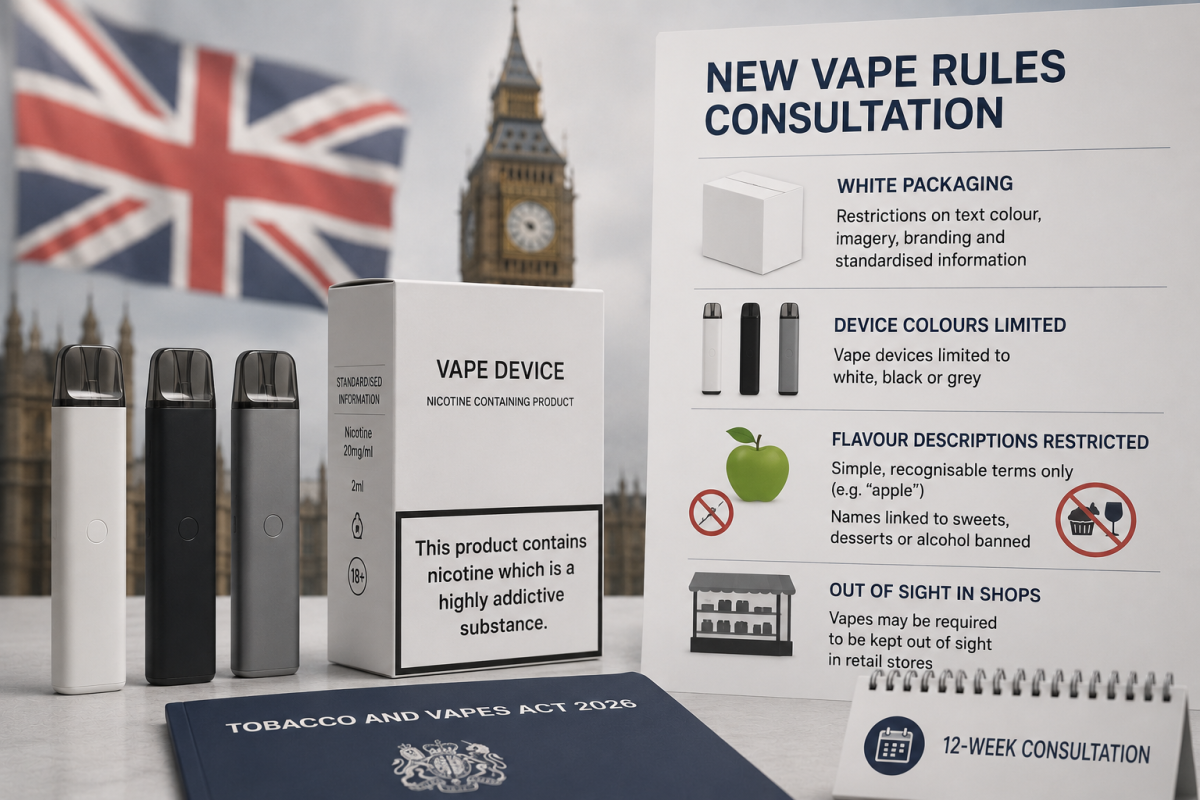
For the vape industry, take-back and recycling responsibility could become a new UK compliance issue alongside the disposable vape ban, Vaping Products Duty and the Tobacco and Vapes Act 2026.
Industry Impact and Next Steps
From an industry perspective, the Norwich deposit motion sends three signals.
First, vape regulation is entering a product-lifecycle phase. Regulators are no longer focused only on risks before and during use; they are also looking at recycling, fire risk and environmental costs after use.
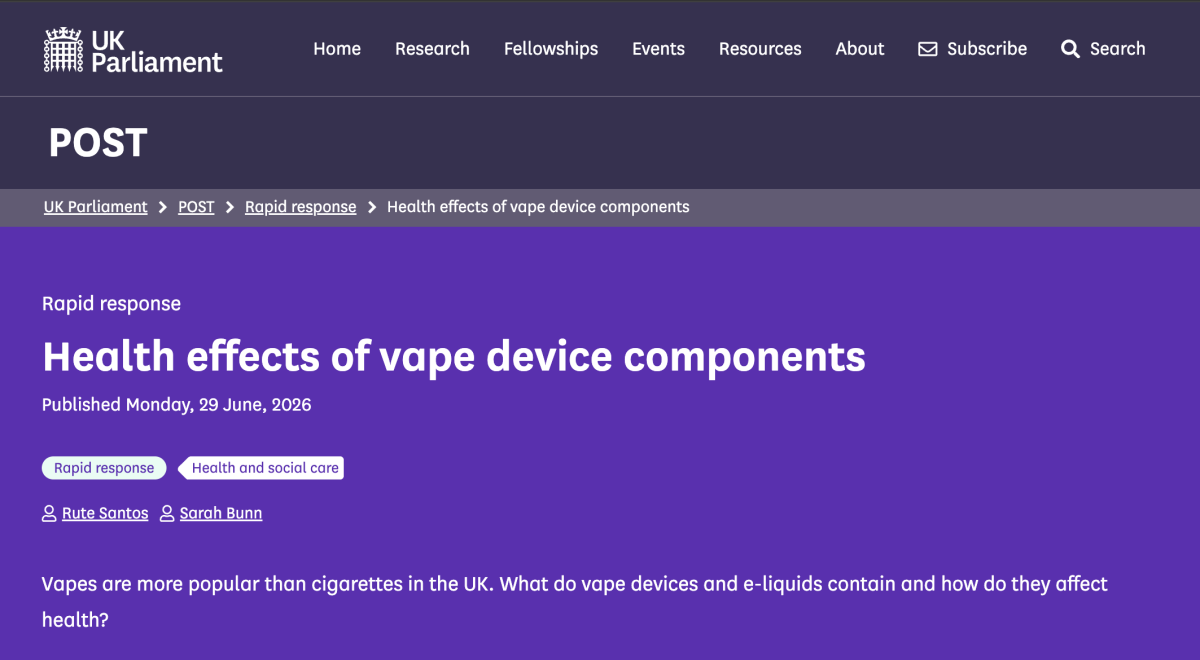
Second, lithium-battery safety is becoming an important part of vape regulation. Recent recycling-facility fires have turned vape battery risk from an environmental issue into a public-safety and fire-service cost issue. As UK Parliament and local authorities focus on device components, technological features and battery risks, hardware design, material selection, recyclability and battery management will face more scrutiny.
Third, the responsibilities of retailers and producers may expand. If the UK moves toward broader deposit or take-back schemes, vape companies may need return networks, retailer agreements, consumer incentives and used-device tracking systems.
For China’s vape supply chain, this trend is worth monitoring. If the UK strengthens take-back responsibility and battery-safety requirements, manufacturers may need to consider removable batteries, material labelling, recycling convenience, transport safety and disposal information at the product-design stage.
Key issues to watch include whether Norwich City Council passes the motion, whether the scheme requires central government authority, whether other UK local authorities follow, and whether the UK government brings vape deposits or producer responsibility into national policy discussion.
Overall, this is not a nationwide charge already in force. It is a local policy proposal responding to vape waste and lithium-battery fire risks. It shows that UK vape regulation is moving beyond sales restrictions toward full product-lifecycle management.
Follow 2Firsts for the latest updates on global tobacco harm reduction, nicotine products and regulatory developments.
Cover image:LADbible
Disclaimer
This article is provided solely for professional research, industry discussion, and informational purposes. Any references to brands, companies, products, technologies, or policies are made for factual reporting and analytical purposes only, and do not constitute endorsement, recommendation, promotion, or advertising by 2Firsts.
Nicotine-containing products, including but not limited to cigarettes, e-cigarettes, heated tobacco products, and nicotine pouches, carry significant health risks. Readers are responsible for complying with all applicable laws and regulations in their respective jurisdictions, including age restrictions and access limitations.
The information contained in this article should not be regarded as investment, legal, medical, regulatory, or commercial advice. While 2Firsts strives to ensure the accuracy and reliability of its content, it does not assume liability for any direct or indirect loss arising from errors, omissions, inaccuracies, or reliance on the information contained herein.
This article is not intended for individuals below the legal age for accessing tobacco or nicotine-related information in their jurisdiction.
Copyright Notice
This article is either original content produced by 2Firsts or content reproduced, translated, summarized, or adapted from third-party sources with attribution where applicable. The intellectual property rights of the original content remain with 2Firsts or the respective original rights holders.
No individual or organization may copy, reproduce, distribute, republish, modify, translate, or otherwise use this content without prior authorization. Any unauthorized use may result in legal action.
For copyright-related inquiries, corrections, or removal requests, please contact: info@2firsts.com.
AI-Assisted Translation and Editing Notice
Portions of this article may have been translated, edited, or reviewed with the assistance of artificial intelligence tools to improve efficiency and readability. Due to the limitations of AI-assisted translation and editing, discrepancies, omissions, or inaccuracies may exist when compared with the original source.
Where applicable, readers are advised to refer to the original source for the most complete and accurate information. If you identify any errors or believe that any content infringes upon your rights, please contact us at info@2firsts.com, and we will review and address the matter promptly.