Key points
• Effective date: Decree 371 takes effect on December 31, 2025
• User penalty: VND 3–5 million (about $114–$190) and mandatory destruction of products
• Hosting penalty: VND 5–10 million for individuals (about $190–$380); doubled for organizations
• Definitions: e-cigarettes include device + liquid-containing component + e-liquid; heated products include device + special tobacco
• Figures cited: adult vaping (15+) rose 0.2% to 3.6% from 2015 to 2020; ages 13–17 rose 2.6% (2019) to 8.1% (2023); 1,224 hospitalisations in 2023
2Firsts, January 4, 2025 – According to Vnexpress, Vietnam’s Government Decree 371 stipulates that users of e-cigarettes and heated tobacco products will be fined VND 3–5 million (about $114–$190) and required to destroy the products. The decree takes effect on December 31, 2025.
The decree also states that individuals who allow people to use e-cigarettes or heated tobacco products at locations they own or manage will be fined VND 5–10 million (about $190–$380). For organizations, the fines are doubled.
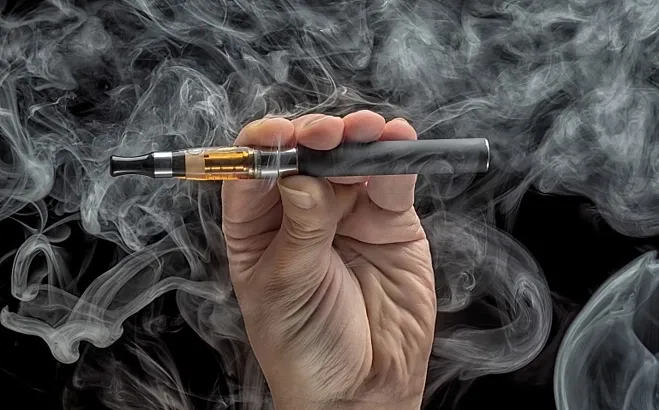
The decree defines an e-cigarette as a product comprising an electronic device, a component containing e-cigarette liquid, and the e-liquid. A heated tobacco product is defined as a product comprising an electronic device and specially prepared tobacco.
The report says that in the National Assembly session in November 2024, lawmakers agreed to ban the production, business, import, hosting, transport, and use of e-cigarettes and heated tobacco products from 2025 to protect public health. The Government was tasked with implementing the rule and raising public awareness, especially among adolescents, about the harms of these products.
According to the report, Health Minister Đào Hồng Lan said the ban is due to the negative impacts on health. The report adds that lawmakers agreed it was necessary to add a prohibition and tightly control illegal trading activities.
The report notes that e-cigarettes and heated tobacco products are new-generation products that work by heating a liquid containing nicotine or flavorings dissolved in propylene glycol or glycerine. It says at least 60 chemical compounds have been found in e-cigarette liquid and many other harmful substances appear in the aerosol/smoke produced.
According to Vietnam’s Ministry of Health, these products are addictive due to high nicotine content and cause serious diseases such as cancer, cardiovascular and respiratory diseases, acute lung injury, and mental health impacts.
The report states Vietnam is the sixth country in ASEAN and among 43 countries that ban e-cigarettes and heated tobacco products.
The report says use in Vietnam is rising rapidly, especially among children and adolescents. From 2015 to 2020, the e-cigarette use rate among adults aged 15 and over increased from 0.2% to 3.6%. Among students aged 13–17, the rate rose from 2.6% (2019) to 8.1% (2023). Among females aged 11–18, a preliminary survey in 11 provinces and cities found a usage rate of 4.3% in 2023.
The Ministry of Health warned the situation is particularly dangerous for young people. The report says that in 2023, the number of people hospitalized due to poisoning or illness linked to e-cigarettes and heated tobacco products was 1,224.
Image source: Vnexpress
We welcome news tips, article submissions, interview requests, or comments on this piece.
Please contact us at info@2firsts.com, or reach out to Alan Zhao, CEO of 2Firsts, on LinkedIn
Notice
1. This article is intended solely for professional research purposes related to industry, technology, and policy. Any references to brands or products are made purely for objective description and do not constitute any form of endorsement, recommendation, or promotion by 2Firsts.
2. The use of nicotine-containing products — including, but not limited to, cigarettes, e-cigarettes, nicotine pouchand heated tobacco products — carries significant health risks. Users are responsible for complying with all applicable laws and regulations in their respective jurisdictions.
3. This article is not intended to serve as the basis for any investment decisions or financial advice. 2Firsts assumes no direct or indirect liability for any inaccuracies or errors in the content.
4. Access to this article is strictly prohibited for individuals below the legal age in their jurisdiction.
Copyright
This article is either an original work created by 2Firsts or a reproduction from third-party sources with proper attribution. All copyrights and usage rights belong to 2Firsts or the original content provider. Unauthorized reproduction, distribution, or any other form of unauthorized use by any individual or organization is strictly prohibited. Violators will be held legally accountable.
For copyright-related inquiries, please contact: info@2firsts.com
AI Assistance Disclaimer
This article may have been enhanced using AI tools to improve translation and editorial efficiency. However, due to technical limitations, inaccuracies may occur. Readers are encouraged to refer to the cited sources for the most accurate information.
We welcome any corrections or feedback. Please contact us at: info@2firsts.com