Key points
- Parties: Plaintiffs – Novo Distro Inc. and Tobacco Hut and Vape Fairfax Inc.; Defendants – Virginia Attorney General and Tax Commissioner
- Issue: Challenge to Virginia’s ban on unapproved and flavored e-cigarettes
- State argument: Plaintiffs lack standing; unapproved products illegal under federal law; state retains authority to regulate
- Plaintiffs’ claim: Ban conflicts with federal law and benefits Big Tobacco
- Legal status: State invokes sovereign immunity and seeks dismissal
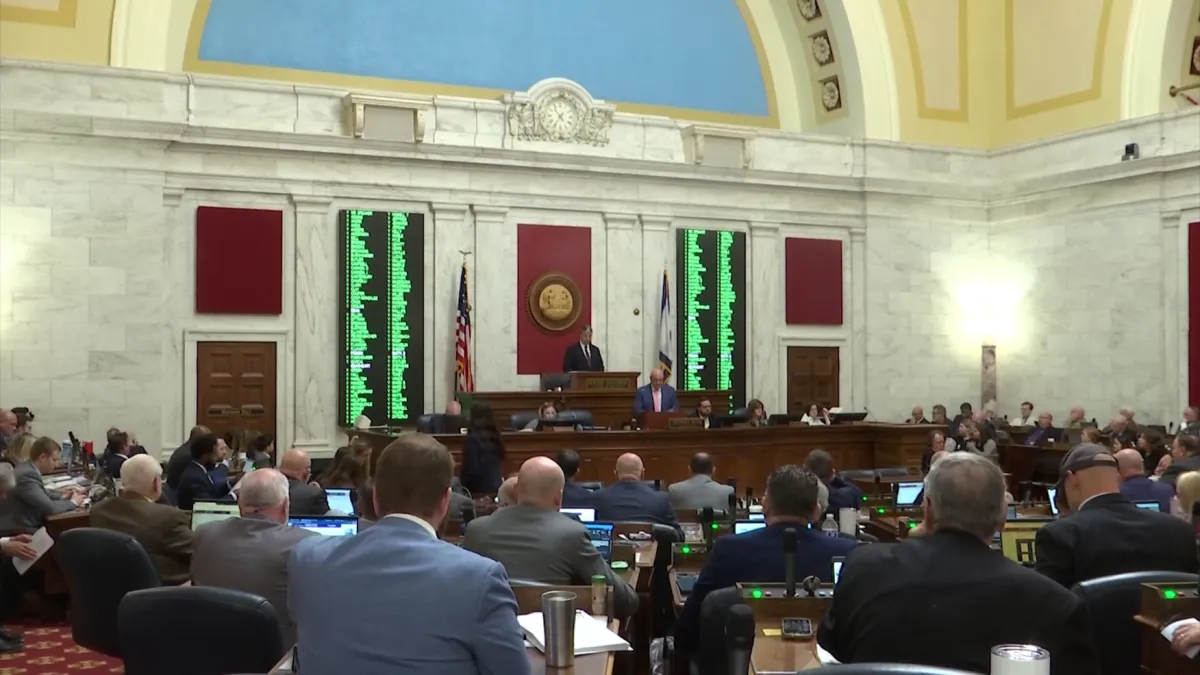
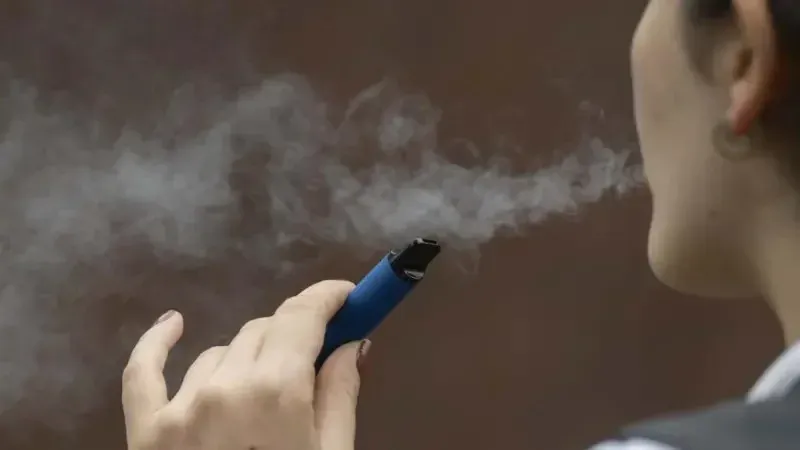
2Firsts, December 10, 2025 – According to Law360, Virginia’s Attorney General Jason S. Miyares and the state’s tax commissioner have asked a federal court to reject a bid to block enforcement of the state’s ban on unapproved e-cigarettes, arguing that the companies leading the lawsuit lack standing because their products are illegal under federal law.
In a brief filed Thursday, the state argued that Novo Distro Inc. and Tobacco Hut and Vape Fairfax Inc. have no legally recognized right to sell unapproved products, and thus cannot show they have suffered an injury or irreparable harm sufficient for an injunction.
The companies sued in October, claiming Virginia’s flavored vape ban is preempted by federal law and the result of Big Tobacco lobbying aimed at squeezing out smaller retailers.
Virginia moved to dismiss the case in November, asserting that neither the Federal Food, Drug, and Cosmetic Act (FDCA) nor the Tobacco Control Act preempts state authority to regulate tobacco sales. The state argued it could legally prohibit all e-cigarette sales if it chose.
The defendants further contended that the FDA’s temporary non-enforcement policy does not imply federal opposition to state action but reflects limited agency resources.
They also invoked sovereign immunity, arguing that Virginia has not consented to be sued in federal court and that no ongoing violation of federal law is alleged.
Responding to claims that the ban unfairly benefits large tobacco companies, the state said the statute applies equally to all firms, requiring FDA approval for any product sold.
“Plaintiffs would prefer a laxer standard allowing them to sell more profitable flavored products without providing scientific evidence,” the state argued. “It is not arbitrary for the Commonwealth to conclude that banning unapproved e-cigarettes benefits public health.”
Plaintiffs’ attorney Stewart R. Pollock of Moran Reeves & Conn PC stated: “This law unfairly favors Big Tobacco and restricts small businesses from competing by limiting vape sales to a narrow list of pre-approved products.”
Image source: Law360
We welcome news tips, article submissions, interview requests, or comments on this piece.
Please contact us at info@2firsts.com, or reach out to Alan Zhao, CEO of 2Firsts, on LinkedIn
Notice
1. This article is intended solely for professional research purposes related to industry, technology, and policy. Any references to brands or products are made purely for objective description and do not constitute any form of endorsement, recommendation, or promotion by 2Firsts.
2. The use of nicotine-containing products — including, but not limited to, cigarettes, e-cigarettes, nicotine pouchand heated tobacco products — carries significant health risks. Users are responsible for complying with all applicable laws and regulations in their respective jurisdictions.
3. This article is not intended to serve as the basis for any investment decisions or financial advice. 2Firsts assumes no direct or indirect liability for any inaccuracies or errors in the content.
4. Access to this article is strictly prohibited for individuals below the legal age in their jurisdiction.
Copyright
This article is either an original work created by 2Firsts or a reproduction from third-party sources with proper attribution. All copyrights and usage rights belong to 2Firsts or the original content provider. Unauthorized reproduction, distribution, or any other form of unauthorized use by any individual or organization is strictly prohibited. Violators will be held legally accountable.
For copyright-related inquiries, please contact: info@2firsts.com
AI Assistance Disclaimer
This article may have been enhanced using AI tools to improve translation and editorial efficiency. However, due to technical limitations, inaccuracies may occur. Readers are encouraged to refer to the cited sources for the most accurate information.
We welcome any corrections or feedback. Please contact us at: info@2firsts.com