Key Point
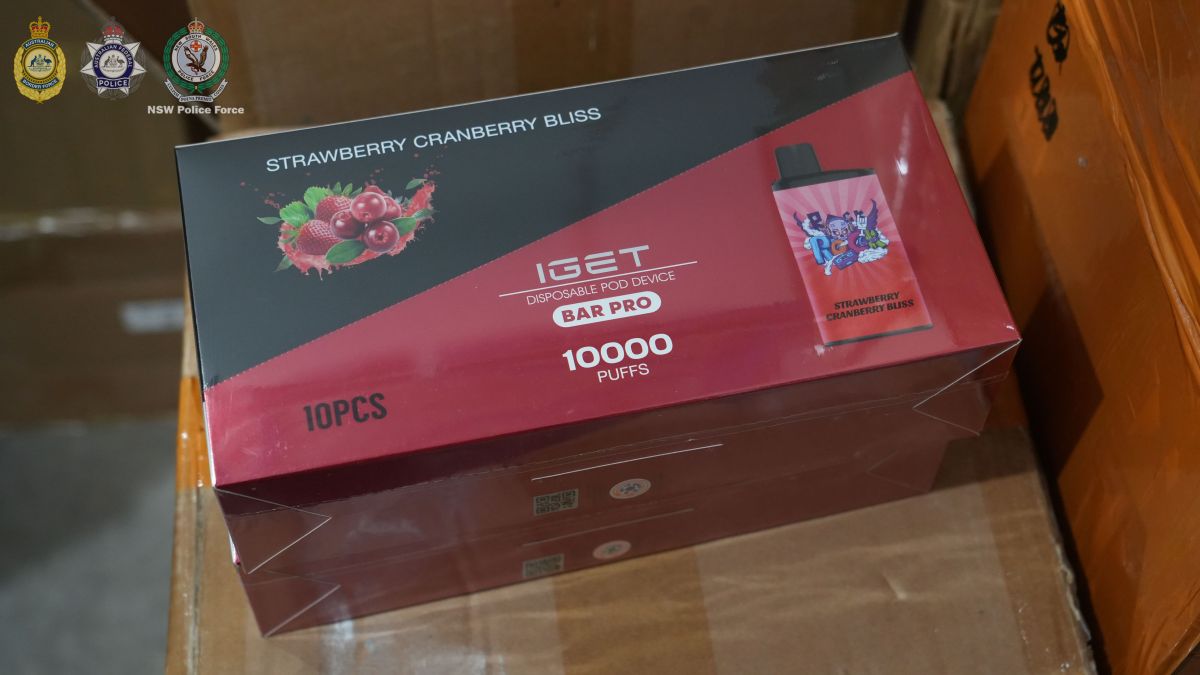
- Draft Direction: Brazil, Maldives, Panama, and Thailand are pushing a draft decision recommending the prohibition of the manufacture, import, sale, presentation, and use of products such as e-cigarettes and nicotine pouches.
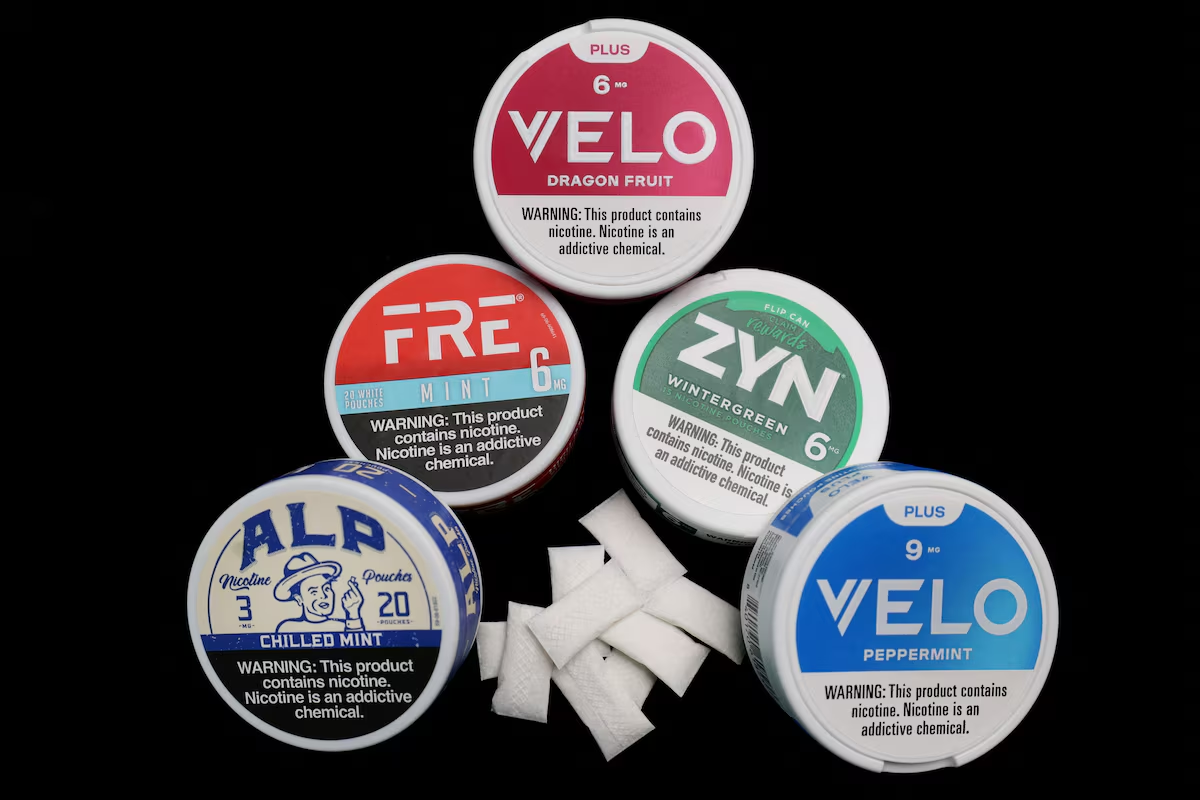
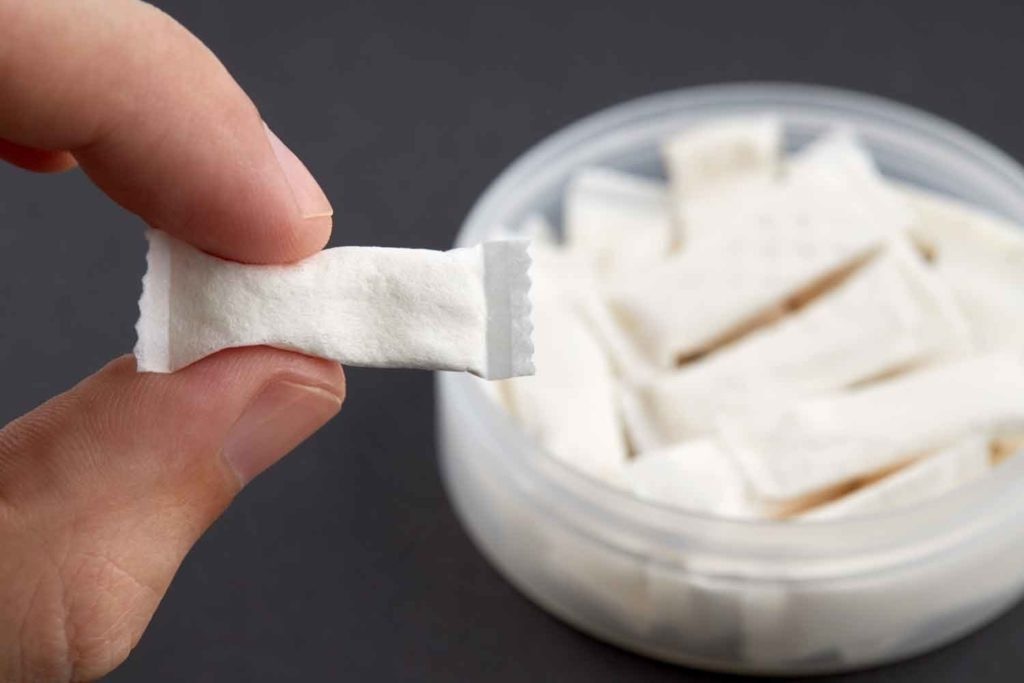
- Scope of Controversy: The proposed ban covers ENDS (electronic nicotine delivery systems), ENNDS (electronic non-nicotine delivery systems), and nicotine pouches, triggering widespread attention.
- EU Position: The EU opposes a "one-size-fits-all" ban and has submitted amendments suggesting the language be changed from "prohibit" to regulatory options that "could include prohibition."
- Legal Limitations: The EU emphasizes the addition of the clause "as appropriate under national laws" to ensure member states retain regulatory flexibility.
- Core Conflict: The central dispute of this COP11 is whether to push for a global ban at the FCTC level or to grant countries the power to determine their own regulatory models.
2Firsts, November 21, 2025 — According to Pouch Patrol, at the 11th Session of the Conference of the Parties (COP11) to the WHO Framework Convention on Tobacco Control, Parties are currently engaged in intensive consultations regarding the text of the draft decision under Agenda Item 4.5 concerning novel and emerging nicotine products (including e-cigarettes and nicotine pouches).
The current controversy centers on whether the Convention should explicitly call for a "ban" on such products or retain the right of member states to "regulate" them in accordance with domestic law.
Draft Proposal: Prohibition as the Primary Measure
According to the draft decision (Document FCTC/COP11/P/CONF./5(a)) jointly submitted by Brazil, Maldives, Panama, and Thailand, the proponents urge Parties to implement stricter control measures.
Paragraph 2(a)(i) of the original draft suggests measures to "prohibit or restrict the manufacture, importation, distribution, presentation, sale and use of all novel and emerging nicotine products." The draft specifically names electronic nicotine delivery systems (ENDS), electronic non-nicotine delivery systems (ENNDS), and nicotine pouches.
Furthermore, the draft emphasizes a firm rejection of the tobacco industry's "harm reduction" narrative, viewing it primarily as a strategy to avoid regulation.
EU Amendment: Emphasizing National Laws and Regulatory Flexibility
In response to the aforementioned draft, the European Union delegation has submitted a formal Union Position proposing key changes to the resolution's wording.
According to the amendment text submitted by the EU, the bloc proposes changing "prohibiting or restricting" to "taking comprehensive regulatory measures, which could include prohibiting or restricting." The EU also requests the addition of the qualifying phrase "as appropriate under national laws" in relevant clauses.
In its position paper, the EU notes its support for effective measures to prevent nicotine addiction but emphasizes that the implementation of such measures should align with the regulatory frameworks of individual nations.
Analysis of Policy Divergence
The core difference between the two documents lies in the definition of the legal binding force of "prohibition":
- The Original Draft prioritizes "prohibition" as the recommended policy option, with a scope covering products like nicotine pouches that are already legal in some markets.
- The EU Amendment seeks to preserve policy space for member states. By adding terms such as "comprehensive regulatory measures" and "under national laws," the EU advocates for fulfilling Convention obligations through strict market regulation (e.g., age limits, ingredient regulations) without necessarily implementing a total ban.
Image source: Pouch Patrol
We welcome news tips, article submissions, interview requests, or comments on this piece.
Please contact us at info@2firsts.com, or reach out to Alan Zhao, CEO of 2Firsts, on LinkedIn
Notice
1. This article is intended solely for professional research purposes related to industry, technology, and policy. Any references to brands or products are made purely for objective description and do not constitute any form of endorsement, recommendation, or promotion by 2Firsts.
2. The use of nicotine-containing products — including, but not limited to, cigarettes, e-cigarettes, nicotine pouchand heated tobacco products — carries significant health risks. Users are responsible for complying with all applicable laws and regulations in their respective jurisdictions.
3. This article is not intended to serve as the basis for any investment decisions or financial advice. 2Firsts assumes no direct or indirect liability for any inaccuracies or errors in the content.
4. Access to this article is strictly prohibited for individuals below the legal age in their jurisdiction.
Copyright
This article is either an original work created by 2Firsts or a reproduction from third-party sources with proper attribution. All copyrights and usage rights belong to 2Firsts or the original content provider. Unauthorized reproduction, distribution, or any other form of unauthorized use by any individual or organization is strictly prohibited. Violators will be held legally accountable.
For copyright-related inquiries, please contact: info@2firsts.com
AI Assistance Disclaimer
This article may have been enhanced using AI tools to improve translation and editorial efficiency. However, due to technical limitations, inaccuracies may occur. Readers are encouraged to refer to the cited sources for the most accurate information.
We welcome any corrections or feedback. Please contact us at: info@2firsts.com