Key Points
- Australia’s Coalition Illegal Tobacco Taskforce released a report recommending an up to 80% reduction in tobacco excise.
- The report claims organised crime groups control about 80% of Australia’s tobacco market, a figure based on the taskforce’s assessment rather than official government statistics.
- The Australian Criminal Intelligence Commission estimated illicit tobacco losses reached about A$4 billion in 2023-24.
- Tobacco excise revenue declined from around A$16 billion in 2019-20 to about A$8 billion in 2024-25.
- The Australian government rejected calls for a tobacco tax cut and said it would continue focusing on enforcement and compliance measures.
2Firsts
August 27, 2026
According to SGST on August 26, 2026, Australia’s Coalition Illegal Tobacco Taskforce released a report titled The Illicit Tobacco Crisis in Australia, recommending an up to 80% cut in tobacco excise to address the expansion of the illicit tobacco market. The report argued that lowering legal tobacco prices could narrow the gap between legal and illegal products and reduce incentives for organised crime groups.
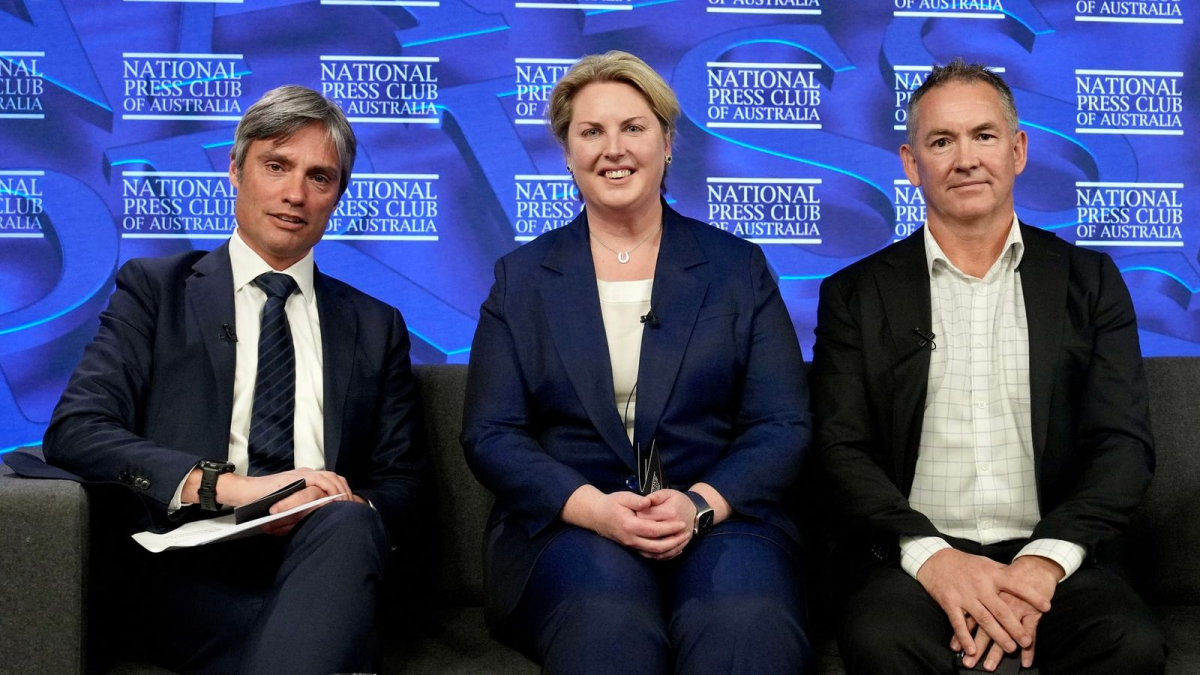
The taskforce is co-chaired by Australian federal MP Mary Aldred and Liberal Senator Richard Colbeck. The report has renewed debate in Australia over the balance between tobacco taxation, illicit trade enforcement and public health objectives.
Report Highlights Role of Illegal Market in Tobacco Debate
The report claims that organised crime groups now control about 80% of Australia’s tobacco market and argues that continued tobacco excise increases have encouraged some consumers to turn to illegal channels.
It cited data showing nicotine consumption in Australia increased by nearly 40% between 2017 and 2025, while illicit sources have expanded their role in supplying consumers.
However, the 80% market-control figure reflects the taskforce’s assessment and is not an official Australian government market estimate.
The Australian Criminal Intelligence Commission (ACIC) estimated that illicit tobacco cost Australia about A$4 billion in 2023-24, a fourfold increase over three years. The agency has also linked criminal syndicates to more than 200 firebombings since 2023.
Enforcement Increases as Excise Revenue Declines
The Australian Border Force seized 2.53 billion cigarette sticks in 2024-25.
However, the report argued that enforcement alone has not been sufficient to address the illicit tobacco market.
Meanwhile, tobacco excise revenue has declined significantly.
Revenue fell from around A$16 billion in 2019-20 to about A$8 billion in 2024-25 and is expected to decline further to around A$2 billion by 2029-30.
The taskforce argued that the decline in revenue and growth of the illicit market show the need for a reassessment of current tobacco taxation policies.
Tax Cut Proposal Emerges as Alternative Approach
Mary Aldred said Australia needed to reconsider its tobacco excise policy, arguing that a 282% increase in excise rates since 2012 had contributed to consumers moving toward illegal markets.
She said Australia needed a broader strategy combining enforcement, regulation and market measures.
The report recommended:
● establishing a national framework for illicit tobacco control;
● creating a licensed framework for legal vape sales;
● introducing vape manufacturing standards and age restrictions;
● setting an “Effective Zero” smoking target of 5%.
Calls for tobacco tax reductions have recently emerged from multiple political groups.
New South Wales Premier Chris Minns previously said tobacco excise was too high and that enforcement alone was not solving the problem.
Australia’s One Nation party has also proposed a 75% tobacco excise cut and a three-year freeze on indexation.
Government Rejects Tobacco Tax Cut Proposal
The Australian government has rejected calls for a tobacco tax reduction.
Treasurer Jim Chalmers said the government was not considering an excise cut and emphasized that its focus remained on law enforcement, compliance and additional resources to combat illicit tobacco trade.
The debate highlights the policy challenge facing Australia as it seeks to balance public health objectives, tax revenue and illicit market control.
Follow 2Firsts for timely updates on global tobacco and nicotine regulations, market developments and industry trends.
Cover Image Source: SGST
Disclaimer
This article is provided solely for professional research, industry discussion, and informational purposes. Any references to brands, companies, products, technologies, or policies are made for factual reporting and analytical purposes only, and do not constitute endorsement, recommendation, promotion, or advertising by 2Firsts.
Nicotine-containing products, including but not limited to cigarettes, e-cigarettes, heated tobacco products, and nicotine pouches, carry significant health risks. Readers are responsible for complying with all applicable laws and regulations in their respective jurisdictions, including age restrictions and access limitations.
The information contained in this article should not be regarded as investment, legal, medical, regulatory, or commercial advice. While 2Firsts strives to ensure the accuracy and reliability of its content, it does not assume liability for any direct or indirect loss arising from errors, omissions, inaccuracies, or reliance on the information contained herein.
This article is not intended for individuals below the legal age for accessing tobacco or nicotine-related information in their jurisdiction.
Copyright Notice
This article is either original content produced by 2Firsts or content reproduced, translated, summarized, or adapted from third-party sources with attribution where applicable. The intellectual property rights of the original content remain with 2Firsts or the respective original rights holders.
No individual or organization may copy, reproduce, distribute, republish, modify, translate, or otherwise use this content without prior authorization. Any unauthorized use may result in legal action.
For copyright-related inquiries, corrections, or removal requests, please contact: info@2firsts.com.
AI-Assisted Translation and Editing Notice
Portions of this article may have been translated, edited, or reviewed with the assistance of artificial intelligence tools to improve efficiency and readability. Due to the limitations of AI-assisted translation and editing, discrepancies, omissions, or inaccuracies may exist when compared with the original source.
Where applicable, readers are advised to refer to the original source for the most complete and accurate information. If you identify any errors or believe that any content infringes upon your rights, please contact us at info@2firsts.com, and we will review and address the matter promptly.