[By Taco Tuinstra | 2Firsts] Nancy Loucas: Helping Consumers Find Their Voice
As part of its media partnership with the Global Forum on Nicotine (GFN), scheduled for June 19-21 in Warsaw, 2Firsts reached out to several scheduled speakers, and asked them about their respective fields of expertise.
Nancy Loucas has been fighting for vapers’ rights to be able to access the tools they need to become smokefree and remain smoke free since 2015, when she co-founded the Aotearoa Vapers Community Advocacy in New Zealand.
She is also the executive director of the Coalition of Asia Pacific Tobacco Harm Reduction Advocates (CAPHRA), which supports consumer tobacco harm reduction (THR) advocacy organizations and activities throughout the Asia Pacific region and beyond.
Under Loucas’ leadership, CAPHRA established numerous initiatives to give a voice to the consumer, who she says is often overlooked in the debates. Such programs include the “Right2Vape” testimonial database (set up in collaboration with the Consumer Advocates for Smoke-free Alternatives Association in the United States) and the “Right2Switch” petition, which urges the World Health Organization to regulate based on science and include consumers into its decision-making process.
At the GNF, Loucas will be hosting a workshop to help consumers effectively communicate their message, which fits well with the overall conference theme of “Challenging Perceptions – Effective Communication for Tobacco Harm Reduction.” 2Firsts asked Loucas about her aspirations and the challenges facing consumers.
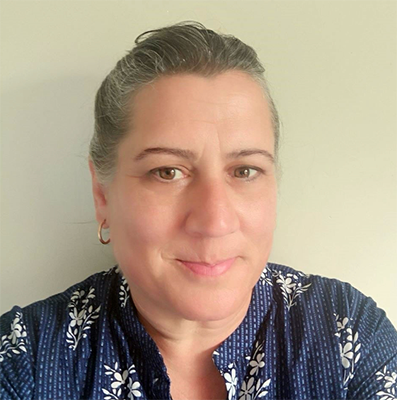
Nancy Loucas | Image: AVCA
2Firsts: What inspired you to become a consumer advocate in the THR field?
Loucas: Watching relatives become ill and eventually die from smoking-related diseases. Watching relatives not receive appropriate medical care for nonsmoking-related illnesses, because of their smoking status. Not wanting my children to lose their mother, as I lost mine from smoking, at an early age. Wanting others to have the same opportunity I had to move off the deadly stuff.
2Firsts: How do you define THR, and why is the consumer perspective essential in this space?
Loucas: Short answer: My definition of THR is saving lives with innovation. Long answer: It is the prevention of smoking related death and disease through the use of innovative nicotine products that help people to move away from smoking and unsafe oral tobacco use.
2Firsts: What challenges do consumers face in communicating their positions?
Loucas: The main challenge is being listened to. The Machine, as I like to call tobacco control, likes to denigrate and dehumanize consumers and their lived experiences by labeling them as “anecdotes,” as opposed to scientists, experts or researchers. They do this by calling us names, accusing us of nefarious activities to the benefit of tobacco companies, and [by] excluding us from a seat at the table.
Another challenge arises from external NGO's [nongovernmental organizations] coming into countries without actually caring about that country, its culture or its problems, but only wanting to control the narrative with their views, their solutions, their policies. In Asia Pacific, a western mindset doesn't translate well at all.
2Firsts:What strategies have you found effective in elevating consumer perspectives in regulatory or scientific arenas?
Loucas:The one really good thing about the wider THR community is that the consumers, scientists and some regulatory people do communicate with respect and consideration. At conferences, everyone engages; the pro-THR scientists treat the consumers as equals.
In Asia Pacific—with the exception of Australia and India—there's less of a barrier between advocates on the one hand and public health and/or government on the other. That could be due to a number of factors, but I think it's mainly about networking in collective societies. Asia Pacific folks aren't very individualistic and going on about “my rights as an individual.” There are consumers who are on government committees about regulation; there are consumers who regularly engage with regulatory folks on a personal level.
The elevation of the consumer perspective is not so much the issue as is the backlash and misinformation from externally funded tobacco control-NGOs pushing a scripted narrative.
2Firsts:In your view, how can consumers be meaningfully involved in policy development on nicotine and tobacco products?
Loucas:Consumers can be—and should be—meaningfully involved in policy development as the decisions made directly impact them. The best way to do that is to engage. Some consumers are afraid they do not have the skills or the “right” to speak to policy/public health/government people, but with some support, some training and focus, they are the kingmakers really. My main comment to consumers who are reticent to engage is this "elected officials work for you, not the other way around.”
2Firsts:What are the primary benefits you hope participants will gain from your GFN workshop?
Loucas:The GFN is about learning, community and support. The workshop is about helping people succeed in their advocacy and feel supported and confident in their mission.
2Firsts has been a media partner of the Global Forum on Nicotine (GFN) for three consecutive years.
2Firsts welcomes article submissions, interview opportunities, or commentary. Please contact us at info@2firsts.com or connect with 2Firsts CEO Alan Zhao on LinkedIn here.