Australia’s Health Minister: Teen Vaping Rates Drop Sharply, Over 10 Million Illegal E-Cigarettes Seized in a Year

Jul.16.2025
Australia’s Health Minister: Teen Vaping Rates Drop Sharply, Over 10 Million Illegal E-Cigarettes Seized in a Year
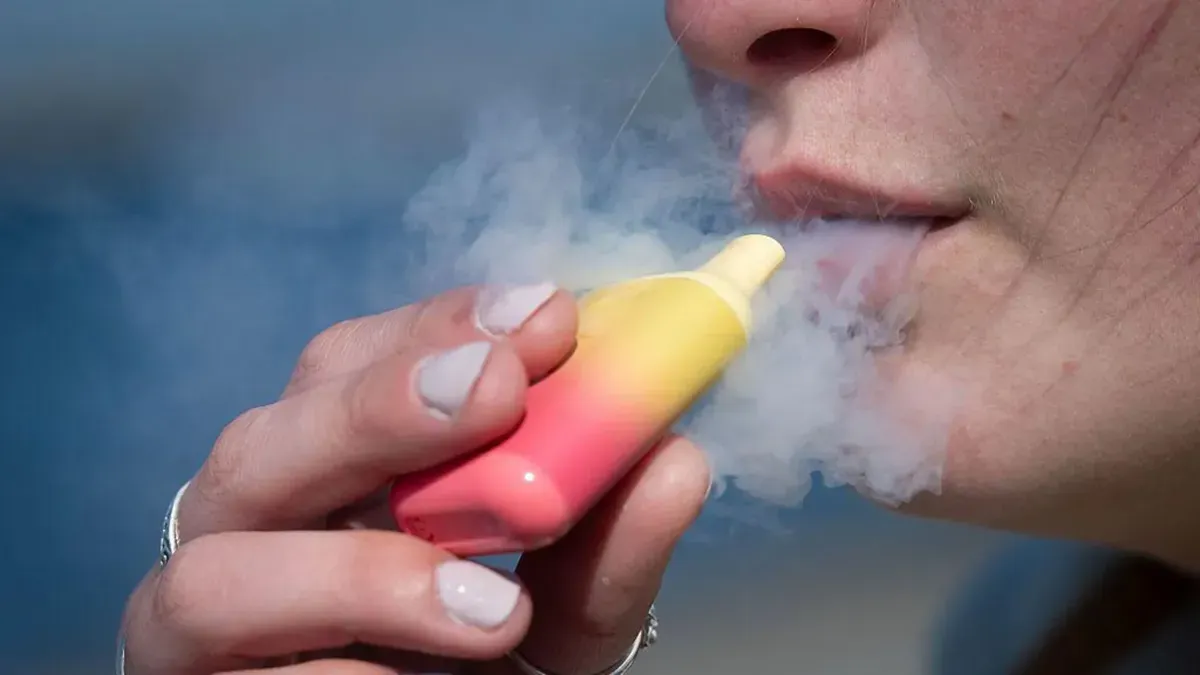
Australia’s teen vaping rate dropped to 14.6% following a 2024 ban on disposable e-cigarettes, while authorities seized over 10 million illegal devices in the past year, Health Minister Mark Butler said, citing the success of education and enforcement efforts.

Key Points:


·The proportion of Australian teenagers aged 14 to 17 who use e-cigarettes has decreased from 17.5% to 14.6%. 


·In the past year, Australian officials have confiscated over 10 million illegal e-cigarettes. 


·The government will ban disposable e-cigarettes starting in July 2024, and e-cigarettes containing nicotine will require a prescription to purchase. 


·The Health Minister stated that education and prevention measures have been effective, but further efforts are needed to combat the illegal tobacco market.


【2Firsts News Flash】According to a report by the BBC on July 16th, the proportion of Australian teenagers using e-cigarettes is on the decline. Research shows that one year after the government banned disposable e-cigarettes, the percentage of teenagers using e-cigarettes has decreased. According to the latest data from the Australian Cancer Council's national study "Generation Vape", the proportion of teenagers aged 14 to 17 using e-cigarettes has dropped from 17.5% in early 2023 to 14.6% in April of this year. The survey also found that the proportion of those aged 15 and above using e-cigarettes has decreased by over one third.


The Australian Health Minister Mark Butler has stated that there has been a "tipping point" in the rates of young Australians using e-cigarettes, and added that officials have seized over 10 million illegal e-cigarettes in the past year. In a statement, he said, "Our education and prevention efforts, as well as support for people to quit or never start smoking, are having an impact.


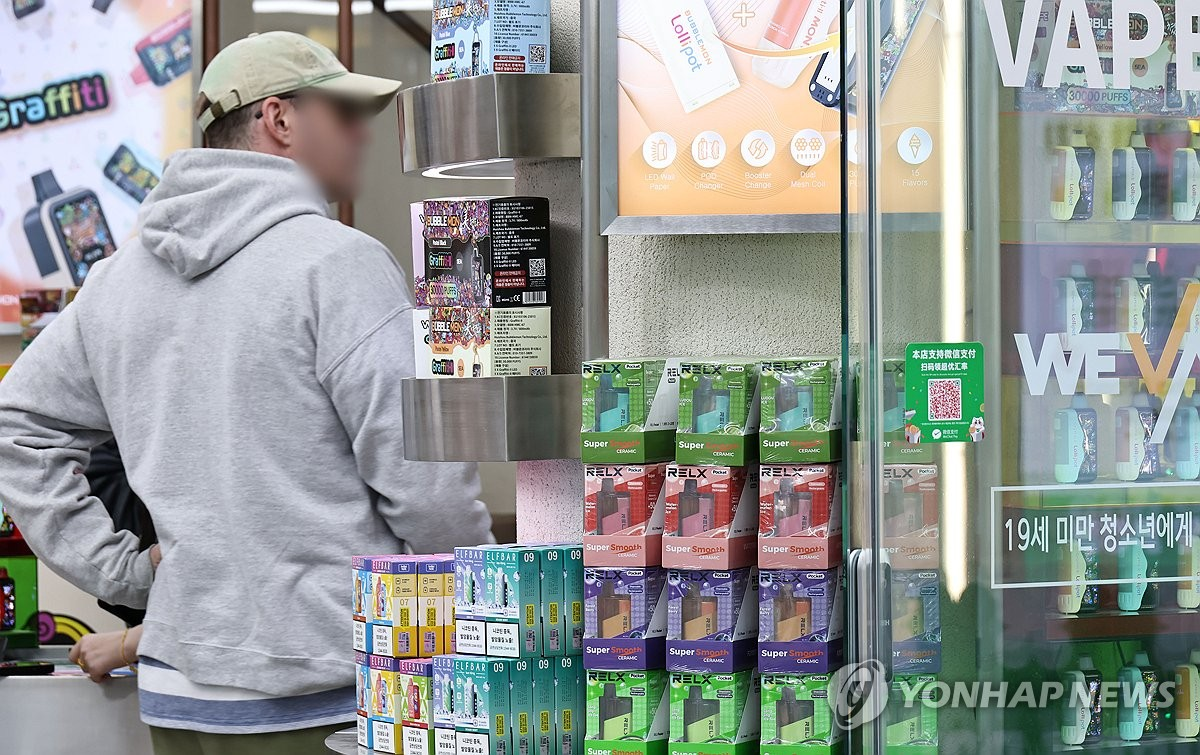
Australia introduced new laws in July 2024 banning the manufacture, import, advertising, and supply of disposable e-cigarettes in the country. Now, e-cigarettes containing nicotine can only be legally purchased with a prescription at pharmacies. However, a black market for nicotine e-cigarettes has existed in the country for many years.


The UK will also begin prohibiting the sale of disposable e-cigarettes in June 2025.


E-cigarettes are considered to be safer than traditional cigarettes because they do not contain harmful tobacco, but health experts advise that they are not without risks and the long-term impact of using them is still unclear.


Australian authorities, like those in the UK, are particularly concerned about the acceptance of e-cigarettes among teenagers. Mr. Butler believes that these products are creating a new generation of nicotine addicts.


The latest "Generation Vape" survey found that 85.4% of teenagers aged 14 to 17 have never tried an e-cigarette among approximately 3000 children. Less than a third of teenagers expressed interest in vaping e-cigarettes, with the Cancer Society stating that this indicates a decrease in curiosity towards these products.


Researchers say that attitudes towards e-cigarettes are changing among teenagers. They point out that many current or former e-cigarette users expressed feeling ashamed or embarrassed about their use during interviews.


Despite a decreasing number of teens reporting that they are able to purchase e-cigarettes on their own, tobacco and e-cigarette stores remain the primary source of e-cigarette sales.


On July 16th, Mr. Butler stated in an interview with the Australian Broadcasting Corporation (ABC) that he believes Australia has passed the peak of the e-cigarette craze. He said:


"I know this is a very challenging struggle, and we have more work to do not only in the e-cigarette industry, but also in illegal tobacco."


We welcome news tips, article submissions, interview requests, or comments on this piece.

Please contact us at info@2firsts.com, or reach out to Alan Zhao, CEO of 2Firsts, on LinkedIn


Notice

1.  This article is intended solely for professional research purposes related to industry, technology, and policy. Any references to brands or products are made purely for objective description and do not constitute any form of endorsement, recommendation, or promotion by 2Firsts.

2.  The use of nicotine-containing products — including, but not limited to, cigarettes, e-cigarettes, nicotine pouchand heated tobacco products — carries significant health risks. Users are responsible for complying with all applicable laws and regulations in their respective jurisdictions.

3.  This article is not intended to serve as the basis for any investment decisions or financial advice. 2Firsts assumes no direct or indirect liability for any inaccuracies or errors in the content.

4.  Access to this article is strictly prohibited for individuals below the legal age in their jurisdiction.


Copyright


This article is either an original work created by 2Firsts or a reproduction from third-party sources with proper attribution. All copyrights and usage rights belong to 2Firsts or the original content provider. Unauthorized reproduction, distribution, or any other form of unauthorized use by any individual or organization is strictly prohibited. Violators will be held legally accountable.

For copyright-related inquiries, please contact: info@2firsts.com


AI Assistance Disclaimer


This article may have been enhanced using AI tools to improve translation and editorial efficiency. However, due to technical limitations, inaccuracies may occur. Readers are encouraged to refer to the cited sources for the most accurate information.

We welcome any corrections or feedback. Please contact us at: info@2firsts.com

How Many Nicotine Pouch Factories Does Europe Need? 2Firsts Interviews AIRSCREAM on the OEM Market
At InterTabac 2026, nicotine pouch growth was visible not only in brands but across equipment, raw materials and OEM manufacturing. 2Firsts interviewed AIRSCREAM commercial head Steve Moore on how many pouch factories Europe may ultimately need and where manufacturers can differentiate, from formulation and flavour to pouch materials, production consistency and customer service. The category continues to expand, but questions remain over future capacity, consolidation and the long-term structure of the supply chain.
Sep.18
As Regulators Focus on Nicotine Pouch Child Safety, Safeguard Pursues an External Packaging Route
As regulators pay closer attention to child safety in nicotine pouches, manufacturers face a practical challenge: how to strengthen child-resistant packaging without unnecessarily reworking products, production lines and regulatory submissions already in place. In a written interview with 2Firsts, Chemular detailed Safeguard’s external packaging approach, its customer-specific testing requirements and possible PMTA pathways. The model remains early-stage, but it offers a new way to think about an increasingly important regulatory and manufacturing issue.
Industry Insight
Sep.19
Couche-Tard Posts Double-Digit U.S. Same-Store Growth in Other Nicotine Products, Led by Pouches
Alimentation Couche-Tard said U.S. same-store sales in its “other nicotine products” category grew at a double-digit rate in the first quarter of fiscal 2027, led by nicotine pouches, while overall U.S. same-store merchandise revenues increased 1.7%. The company also said its Canadian nicotine business continued to face regulatory pressure and illicit-market headwinds. The U.S. performance coincides with Couche-Tard's participation in efforts to reopen Canadian convenience-store access to authorized nicotine pouches, though the company has not established a direct causal link between the two.
Sep.14
2Firsts Hosts China Market Forum at InterTabac as Global Industry Attention to China’s Tobacco Sector Deepens
On September 16, 2Firsts hosted a China-focused industry forum during InterTabac in Dortmund, bringing together more than 30 participants from North America, Europe, India, South Korea and other markets. The session covered traditional tobacco, next-generation products, exports, technology, regulation and supply chains, while examining how China’s tobacco sector operates, where its transformation may be heading, and why its growing role matters increasingly to companies across the global tobacco and nicotine industry.
Sep.21
South Korea Vape Strategies Diverge as BAT Reconsiders Exit and PMI Takes VEEV to About 14,000 Stores
BAT Rothmans says it previously considered exiting South Korea's vaping market because of competitive pressure from unregulated products, but is now reassessing conditions following changes to the country's nicotine regulatory framework. Vuse and other BAT vaping products remain available through existing distribution channels. The statement followed a South Korean media report that interpreted BAT's broader withdrawal from selected Vapour markets as a full exit from South Korea. Meanwhile, Philip Morris International launched VEEV inPRIME in the country in June and began expanding distribution to around 14,000 convenience stores and other retail channels in July. The contrasting moves highlight differing investment strategies as South Korea's regulated vaping market evolves.
Aug.14
South Korea Fully Reviews Nicotine-Analog and Nicotine-Free Vape Liquid Imports, With Over 99% From China and Chinese Supply-Chain Documents Under Scrutiny
Korea Customs Service has tightened import controls on nicotine-analog and nicotine-free e-cigarette liquids, placing the products under 100% document review and subjecting all e-cigarette liquid import declarations to pre-clearance ingredient analysis. As of September 20, 2026, South Korea had imported about 15 metric tons of nicotine-analog liquids, 99.99% from China, and about 316 metric tons of nicotine-free liquids, including roughly 315 metric tons, or 99.7%, from China. The measures follow South Korea's April expansion of its tobacco definition to include synthetic nicotine products and include new checks on Chinese manufacturing, transaction and export documentation.
Sep.24