BAT limits 'Nomad' sales to offline stores under political and public pressure

Nov.05.2024
BAT limits 'Nomad' sales to offline stores under political and public pressure
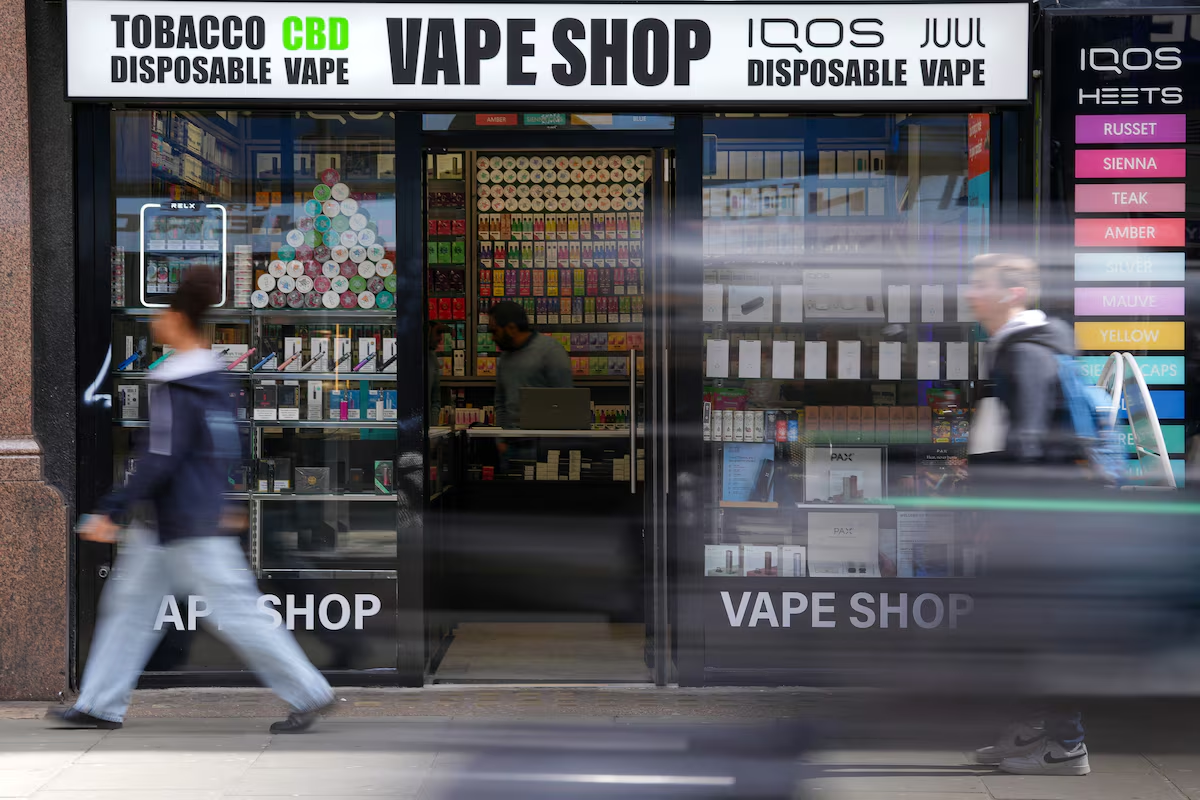
BAT is believed to have restricted the sale of its synthetic nicotine e-cigarette "Nomad" to offline vape specialty stores, likely due to political and public pressure.

BAT Rothmans, the Korean subsidiary of British American Tobacco, has decided to stop selling synthetic nicotine e-cigarettes in convenience stores and online, according to an October 5 N.News report.


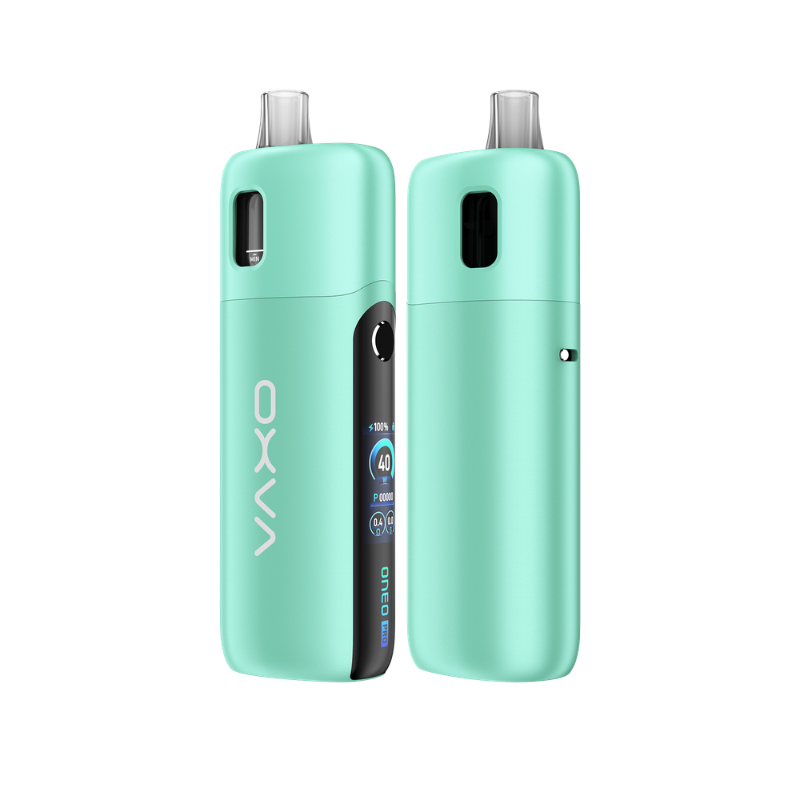
Today (5th), a representative from BAT announced that the synthetic nicotine e-cigarette "Nomad," slated for launch this month, will only be available at offline vape specialty stores.


Under current South Korean law, nicotine products synthesized chemically, rather than derived from tobacco leaves, are not classified as "tobacco" and are therefore not subject to the online sales ban. However, BAT’s decision to forgo online sales is seen as a response to political and public pressure, aiming to avoid "exploiting regulatory loopholes." 


With synthetic nicotine regulations soon to be on the legislative agenda, BAT may find it challenging to benefit from online sales in the long term.


An official from South Korea's Ministry of Health and Welfare predicted that relevant research findings will be released by the end of the year, with formal legislative discussions expected to begin next year.


In addition, convenience stores are excluded from BAT's sales network for synthetic nicotine products. Responding to recent reports of a "convenience store industry rejection proposal," BAT clarified that there was "never a plan to sell through convenience stores."


Meanwhile, BAT's other e-cigarette product, "Vuse Go," is currently available in convenience stores.


We welcome news tips, article submissions, interview requests, or comments on this piece.

Please contact us at info@2firsts.com, or reach out to Alan Zhao, CEO of 2Firsts, on LinkedIn


Notice

1.  This article is intended solely for professional research purposes related to industry, technology, and policy. Any references to brands or products are made purely for objective description and do not constitute any form of endorsement, recommendation, or promotion by 2Firsts.

2.  The use of nicotine-containing products — including, but not limited to, cigarettes, e-cigarettes, nicotine pouchand heated tobacco products — carries significant health risks. Users are responsible for complying with all applicable laws and regulations in their respective jurisdictions.

3.  This article is not intended to serve as the basis for any investment decisions or financial advice. 2Firsts assumes no direct or indirect liability for any inaccuracies or errors in the content.

4.  Access to this article is strictly prohibited for individuals below the legal age in their jurisdiction.


Copyright


This article is either an original work created by 2Firsts or a reproduction from third-party sources with proper attribution. All copyrights and usage rights belong to 2Firsts or the original content provider. Unauthorized reproduction, distribution, or any other form of unauthorized use by any individual or organization is strictly prohibited. Violators will be held legally accountable.

For copyright-related inquiries, please contact: info@2firsts.com


AI Assistance Disclaimer


This article may have been enhanced using AI tools to improve translation and editorial efficiency. However, due to technical limitations, inaccuracies may occur. Readers are encouraged to refer to the cited sources for the most accurate information.

We welcome any corrections or feedback. Please contact us at: info@2firsts.com

Brazil’s Teen E-Cigarette Experimentation Rate Rises to 29.6% Over Five Years
Brazil’s National School Health Survey (PeNSE) 2024 found that e-cigarette experimentation among students aged 13 to 17 rose from 16.8% in 2019 to 29.6% in 2024, while use in the previous 30 days increased from 8.6% to 26.3%. Over the same period, conventional cigarette experimentation fell from 22.6% to 18.5%, and hookah use declined from 26.9% to 16.4%.
Mar.26 by 2FIRSTS.ai
Exclusive|Suspected China Tobacco Nicotine Oral Film Product Surfaces on Social Media
China Tobacco Jiangsu IC appears to have developed a nicotine oral film product under the "Nanjing" brand, according to images circulating on Chinese social media. If confirmed, this could potentially mark China Tobacco's first oral nicotine product targeting the domestic market. The product's authenticity has not been officially verified, and no nicotine pouch products have been approved for sale in China.
Special Report
Feb.09
Ireland’s Tobacco and Vape Retail Licensing Regime Takes Effect; BAT Says It Should Cover Nicotine Pouches
Ireland’s retail licensing system took effect on Feb. 2, 2026, charging annual fees per point of sale and enforced by the Health Service Executive (HSE). British American Tobacco’s local unit, BAT Ireland, said excluding nicotine pouches could leave a regulatory gap.
Feb.04 by 2FIRSTS.ai
Canadian Border Officers Seize Contraband Worth CAD 4.5 Million at Point Edward Crossing
The Canada Border Services Agency said border officers at the Point Edward port of entry in Sarnia, Ontario, seized more than CAD 4.5 million worth of illegal tobacco and nicotine vapes over a seven-day period. The agency said the contraband was entering Canada from the United States and described the seizure as part of ongoing efforts to prevent illegal products from entering the country and disrupt organized crime.
Mar.26 by 2FIRSTS.ai
Philip Morris Korea to Launch IQOS Iluma i One “Electric Purple” Color, Expanding Into Major Convenience Store Channels From May
Philip Morris Korea said on March 31 that it will begin selling the new “Electric Purple” color for the heated tobacco device IQOS Iluma i One at major convenience stores nationwide in South Korea starting May 2. The color will first be introduced on April 10 at the official IQOS online store and nine IQOS directly operated stores nationwide. To mark the expansion of its sales channels, the company will run promotions at major convenience stores through May 20.
Mar.31
Special Report | China’s New Five-Year Plan Highlights “Health-First” Strategy, Providing Policy Context for Tobacco Sector
China’s 2026 “Two Sessions” reviewed the draft Outline of the 15th Five-Year Plan, which proposes implementing a health-first development strategy and strengthening the effectiveness of the Patriotic Health Campaign. Although the document does not address specific industries, this public-health governance framework provides a new policy context for observing the future regulation, product strategies, and market development of China’s tobacco and next-generation nicotine sectors.
Industry Insight
Mar.08