Key Points
- Proponent: State Deputy Marcos da Rosa (União).
- Bill Objective: Establish a prevention program targeting vaping among children and adolescents in schools.
- Measures: Create an intersectoral response involving schools, health, social assistance, justice, and families.
- Motivation: Rising e-cigarette use among Santa Catarina youth poses health risks.
- Inspiration: Similar measures adopted in Cascavel (PR), under Resolution No. 095/2024.
- Status: Bill under review by the Assembly’s Constitution and Justice Committee (CCJ).
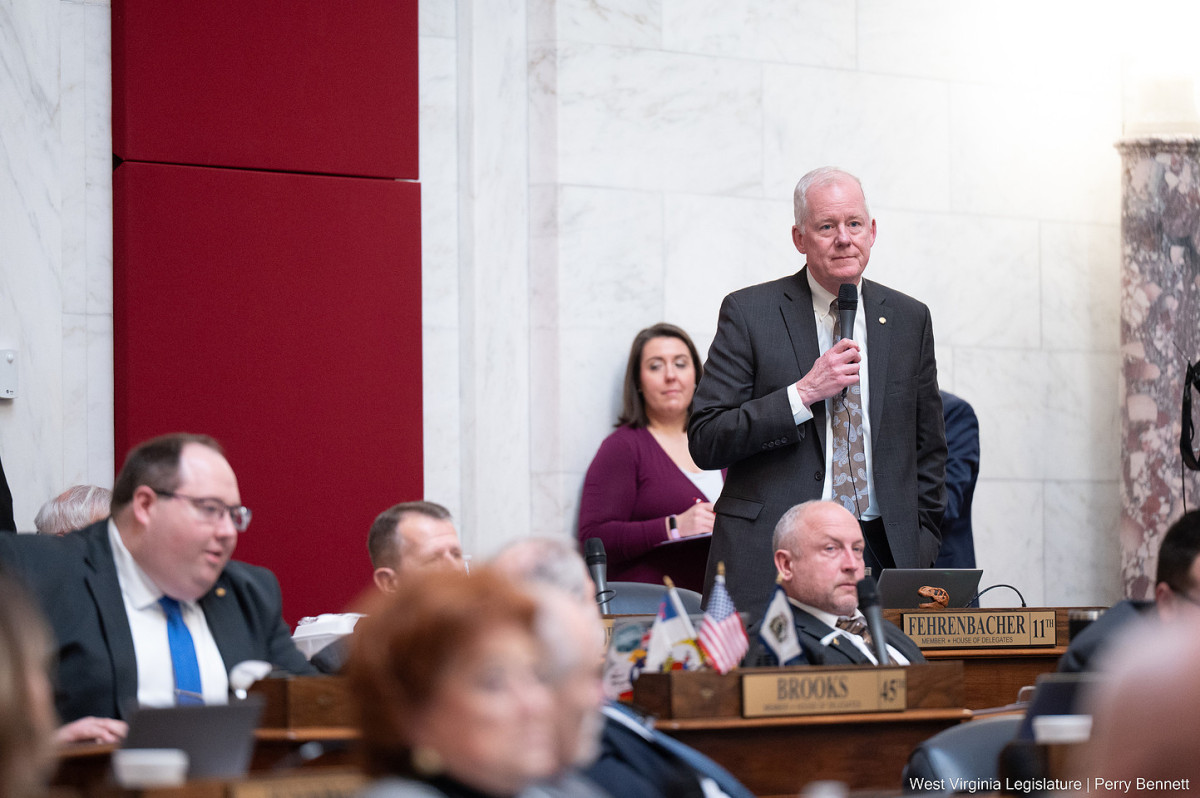
State Deputy Marcos da Rosa (União) has introduced a bill in the Legislative Assembly of Santa Catarina aimed at curbing the rise of e-cigarette use among school-aged youth.
The bill proposes the creation of a Prevention Program on the Use of E-Cigarettes by Children and Adolescents, to be applied across both public and private schools in the state. It also establishes a formal intersectoral action protocol for situations where electronic smoking devices are confiscated on school grounds.
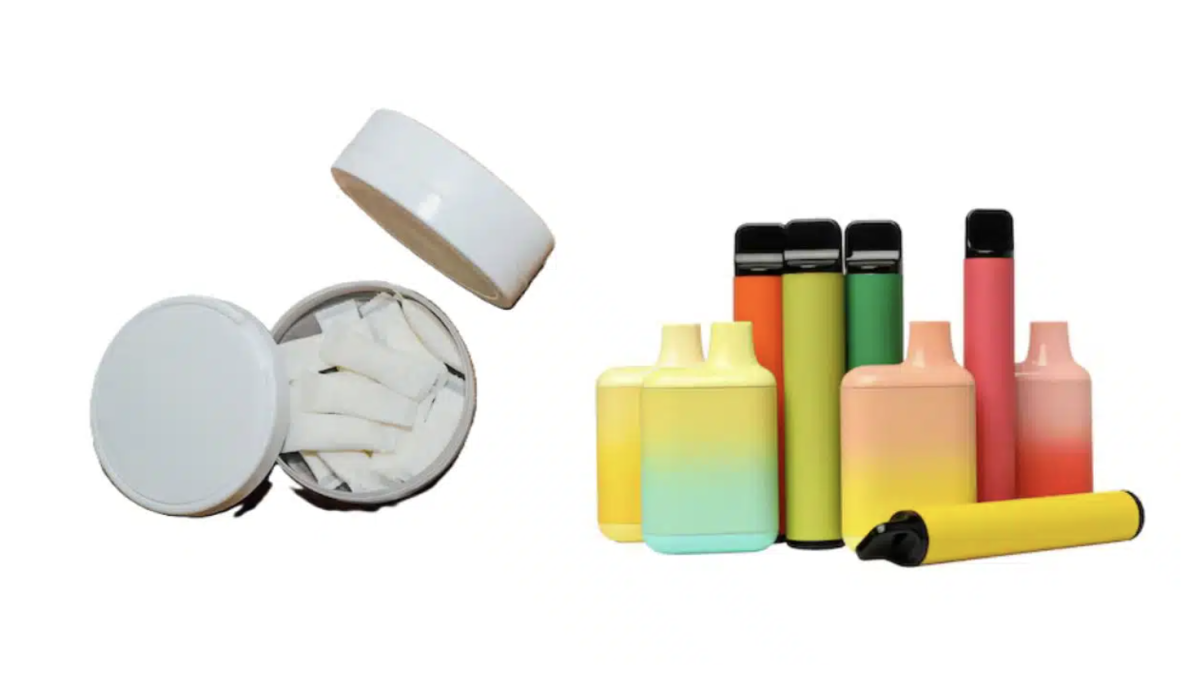
According to the deputy, the initiative is driven by urgent concern over the growing popularity of vapes, e-cigarettes, and other electronic smoking devices (ESDs) among young people in Santa Catarina.
“Under the guise of modern, flavored gadgets, e-cigarettes are quickly infiltrating schools and posing serious risks to the physical, mental, and emotional health of our adolescents. We cannot ignore this phenomenon that threatens the future of an entire generation,” said Deputy da Rosa.
The proposal emphasizes not only restricting these devices but also creating a support and prevention network, involving schools, health agencies, social services, the justice system, and families.
“This is not about punishment but about guidance, support, and prevention. We must educate for freedom and safeguard the dreams of our youth. This responsibility goes beyond politics; it is a human and civilizational duty,” the deputy stressed.
The initiative is inspired by similar efforts in other regions, such as Resolution No. 095/2024 by the Municipal Council for the Rights of Children and Adolescents of Cascavel (PR), which established procedures to address vaping use and sales in schools.
The bill is currently under consideration by the Assembly’s Constitution and Justice Committee (CCJ).
We welcome news tips, article submissions, interview requests, or comments on this piece.
Please contact us at info@2firsts.com, or reach out to Alan Zhao, CEO of 2Firsts, on LinkedIn
Notice
1. This article is intended solely for professional research purposes related to industry, technology, and policy. Any references to brands or products are made purely for objective description and do not constitute any form of endorsement, recommendation, or promotion by 2Firsts.
2. The use of nicotine-containing products — including, but not limited to, cigarettes, e-cigarettes, nicotine pouchand heated tobacco products — carries significant health risks. Users are responsible for complying with all applicable laws and regulations in their respective jurisdictions.
3. This article is not intended to serve as the basis for any investment decisions or financial advice. 2Firsts assumes no direct or indirect liability for any inaccuracies or errors in the content.
4. Access to this article is strictly prohibited for individuals below the legal age in their jurisdiction.
Copyright
This article is either an original work created by 2Firsts or a reproduction from third-party sources with proper attribution. All copyrights and usage rights belong to 2Firsts or the original content provider. Unauthorized reproduction, distribution, or any other form of unauthorized use by any individual or organization is strictly prohibited. Violators will be held legally accountable.
For copyright-related inquiries, please contact: info@2firsts.com
AI Assistance Disclaimer
This article may have been enhanced using AI tools to improve translation and editorial efficiency. However, due to technical limitations, inaccuracies may occur. Readers are encouraged to refer to the cited sources for the most accurate information.
We welcome any corrections or feedback. Please contact us at: info@2firsts.com