Key Takeaways
- Ukraine banned the sale of flavored and aromatic additives for e-cigarettes from July 11, 2024.
- A Philip Morris Ukraine executive said the ban has not worked in practice because enforcement is lacking.
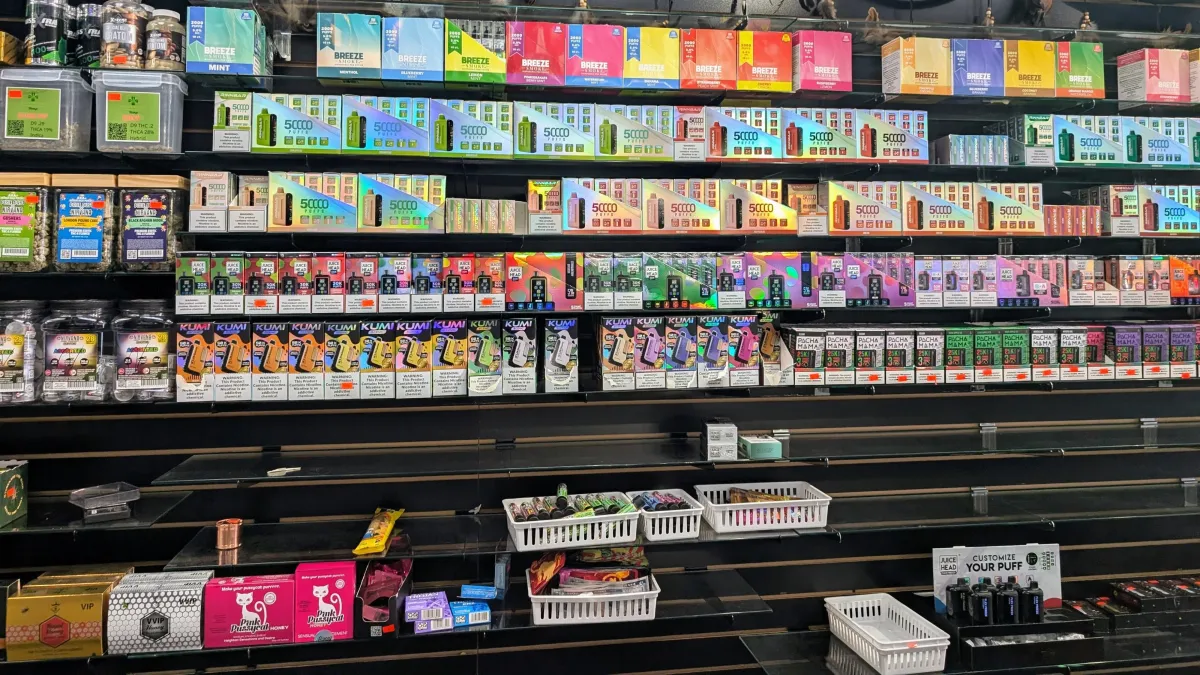
- He said nine out of ten shopping centers in Kyiv contain illegal vape shops.
- He said the parliament has adopted the necessary laws to combat the illegal tobacco market, but some rules are poorly enforced or not enforced at all.
- He also said he hopes international partners’ demands will shift more attention toward entities that do not pay taxes.
2Firsts, March 17, 2026
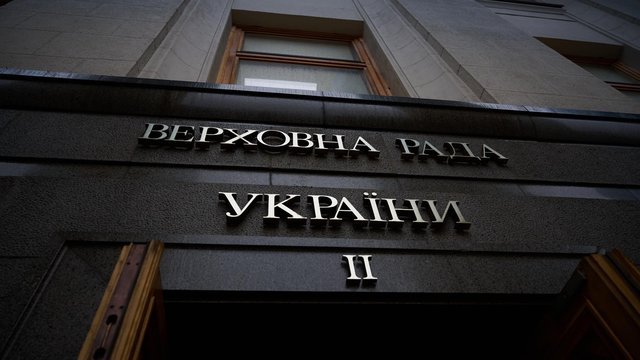
According to Interfax-Ukraine, Mikhail Polyakov, deputy general director for corporate affairs at Philip Morris Ukraine, said that Ukraine’s ban on the sale of flavored and aromatic additives for e-cigarettes, introduced by the Verkhovna Rada from July 11, 2024, has not worked in practice, as experts had warned, because no one is controlling compliance with the ban.
Speaking at the European integration-focused “Dialogues with NV” event held last week, Mikhail Polyakov said that nine out of ten shopping centers in Kyiv contain illegal vape shops. He said the question is whether law-enforcement bodies and supervisory authorities do not know about this situation or whether they do know about it.
In his view, by adopting such a law, parliament effectively assumed the obligation to ban flavored and aromatic additives in e-cigarettes, but that obligation failed because there is no enforcement at the local level to ensure compliance with the rules.
He said there is no point in making decisions about bans if no one can control them. He also said they found only one shopping center in the city center that did not have an illegal vape kiosk.
Mikhail Polyakov stressed that in the tobacco industry, parliament has adopted all the necessary legislative acts that should have combated the illegal market, but in practice these rules either work poorly or do not work at all because there is no force to apply them.
He gave examples of how legislative norms are being bypassed. He said there are tax posts and video surveillance at tobacco factories, but the system was circumvented by opening workshops three kilometers away where there are no such posts and no surveillance. He also said that after a minimum cigarette price was introduced because taxes account for more than 70% of the price, some market participants began printing prices from an earlier year on packs, when the minimum price did not yet apply, and presenting the products as if they had been manufactured several years ago.
He said he hopes that, with the help of requirements from international partners such as the International Monetary Fund, the issue of increasing budget revenue mobilisation will ultimately focus on those who do not pay taxes, while those who do pay taxes will not be prevented from continuing to do so.
Image source: Interfax-Ukraine
We welcome news tips, article submissions, interview requests, or comments on this piece.
Please contact us at info@2firsts.com, or reach out to Alan Zhao, CEO of 2Firsts, on LinkedIn
Notice
1. This article is intended solely for professional research purposes related to industry, technology, and policy. Any references to brands or products are made purely for objective description and do not constitute any form of endorsement, recommendation, or promotion by 2Firsts.
2. The use of nicotine-containing products — including, but not limited to, cigarettes, e-cigarettes, nicotine pouchand heated tobacco products — carries significant health risks. Users are responsible for complying with all applicable laws and regulations in their respective jurisdictions.
3. This article is not intended to serve as the basis for any investment decisions or financial advice. 2Firsts assumes no direct or indirect liability for any inaccuracies or errors in the content.
4. Access to this article is strictly prohibited for individuals below the legal age in their jurisdiction.
Copyright
This article is either an original work created by 2Firsts or a reproduction from third-party sources with proper attribution. All copyrights and usage rights belong to 2Firsts or the original content provider. Unauthorized reproduction, distribution, or any other form of unauthorized use by any individual or organization is strictly prohibited. Violators will be held legally accountable.
For copyright-related inquiries, please contact: info@2firsts.com
AI Assistance Disclaimer
This article may have been enhanced using AI tools to improve translation and editorial efficiency. However, due to technical limitations, inaccuracies may occur. Readers are encouraged to refer to the cited sources for the most accurate information.
We welcome any corrections or feedback. Please contact us at: info@2firsts.com