Key Takeaways
- E-cigarette experimentation among Brazilian students aged 13 to 17 rose from 16.8% in 2019 to 29.6% in 2024.
- Recent use in the previous 30 days increased from 8.6% to 26.3%.
- Experimentation was 31.7% among girls, compared with 27.4% among boys.
- The rate was 30.4% in public schools and 24.9% in private schools.
- The highest regional rates were in the Central-West at 42.0% and the South at 38.3%.
2Firsts, March 26, 2026
According to G1, Brazil’s National School Health Survey (PeNSE) 2024 shows that the country’s youth tobacco-use landscape has changed significantly over the past five years, with e-cigarette use rising sharply among students aged 13 to 17.
E-cigarette experimentation rose from 16.8% to 29.6%, while recent use reached 26.3%
The survey found that e-cigarette experimentation increased from 16.8% in 2019 to 29.6% in 2024. Use in the previous 30 days also rose from 8.6% to 26.3%.
The original report said the survey was conducted by the Brazilian Institute of Geography and Statistics (IBGE) in partnership with the Ministry of Health and with support from the Ministry of Education. It was the fifth edition and covered more than 12.3 million students aged 13 to 17 in public and private schools across the country.
Girls, public-school students and students in the Central-West reported higher rates
By gender, e-cigarette experimentation was 31.7% among girls, compared with 27.4% among boys. By school type, the rate was 30.4% among public-school students and 24.9% among private-school students.
Regionally, the highest experimentation rates were recorded in the Central-West at 42.0% and the South at 38.3%, while the North and Northeast had the lowest rates at 21.5% and 22.5%, respectively.
Conventional cigarette and hookah experimentation declined, suggesting possible substitution
Over the same period, conventional cigarette experimentation fell from 22.6% to 18.5%, while hookah use dropped from 26.9% to 16.4%.
According to the report, IBGE said these figures may suggest a shift from hookah to e-cigarettes, especially among students in private schools.
Brazil still bans vape sales and advertising, while prevention coverage in schools declined
The report said that although Brazil’s health regulator ANVISA bans the sale, import and advertising of e-cigarettes, these products have continued to reach young people through online environments and targeted promotion.
It also cited the World Health Organization as warning that adolescents are nine times more likely than adults to use these devices. The report further noted that e-cigarettes may contain nicotine, toxins and heavy metals including nickel, tin and lead.
On prevention, Brazil’s School Health Program (PSE) has included tobacco-use prevention in its guidelines, but in 2024 only 48.5% of students in participating public schools took part in specific tobacco prevention activities, down from 51.4% in 2019.
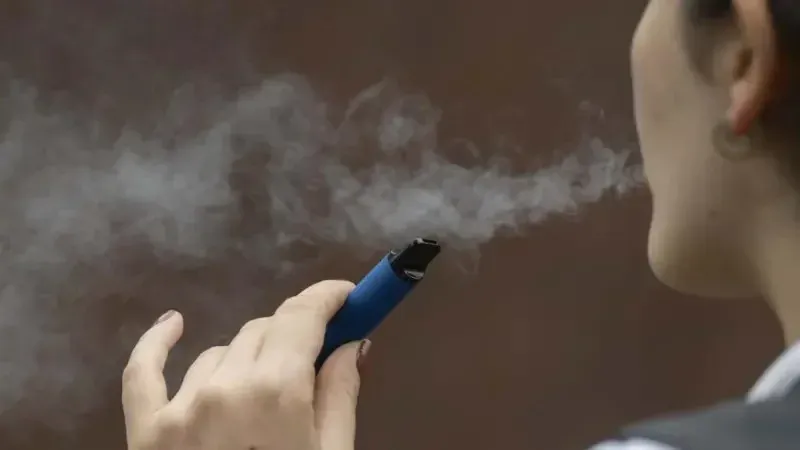
Source of image: G1
We welcome news tips, article submissions, interview requests, or comments on this piece.
Please contact us at info@2firsts.com, or reach out to Alan Zhao, CEO of 2Firsts, on LinkedIn
Notice
1. This article is intended solely for professional research purposes related to industry, technology, and policy. Any references to brands or products are made purely for objective description and do not constitute any form of endorsement, recommendation, or promotion by 2Firsts.
2. The use of nicotine-containing products — including, but not limited to, cigarettes, e-cigarettes, nicotine pouchand heated tobacco products — carries significant health risks. Users are responsible for complying with all applicable laws and regulations in their respective jurisdictions.
3. This article is not intended to serve as the basis for any investment decisions or financial advice. 2Firsts assumes no direct or indirect liability for any inaccuracies or errors in the content.
4. Access to this article is strictly prohibited for individuals below the legal age in their jurisdiction.
Copyright
This article is either an original work created by 2Firsts or a reproduction from third-party sources with proper attribution. All copyrights and usage rights belong to 2Firsts or the original content provider. Unauthorized reproduction, distribution, or any other form of unauthorized use by any individual or organization is strictly prohibited. Violators will be held legally accountable.
For copyright-related inquiries, please contact: info@2firsts.com
AI Assistance Disclaimer
This article may have been enhanced using AI tools to improve translation and editorial efficiency. However, due to technical limitations, inaccuracies may occur. Readers are encouraged to refer to the cited sources for the most accurate information.
We welcome any corrections or feedback. Please contact us at: info@2firsts.com