Key Takeaways
· First-of-its-kind legislation: British Columbia, Canada is proposing the world’s first public-health accountability bill for e-cigarettes, bringing public-health risks squarely into the regulatory framework.
· Focus on “deceptive marketing”: Targets practices such as hiding ingredients and downplaying addictiveness, with a particular emphasis on youth-oriented marketing.
· Modeled on tobacco & opioid litigation: Enables the government to initiate or join class actions to recover public-health costs.
Potential North American ripple effects: If passed, it could become a template for vaping oversight and raise compliance thresholds across the industry.
2Firsts, October 10, 2025 — According to Canadian media reports, the Government of British Columbia (B.C.) is advancing a new bill designed to make it easier for the province to sue e-cigarette companies over “misleading or deceptive” marketing.
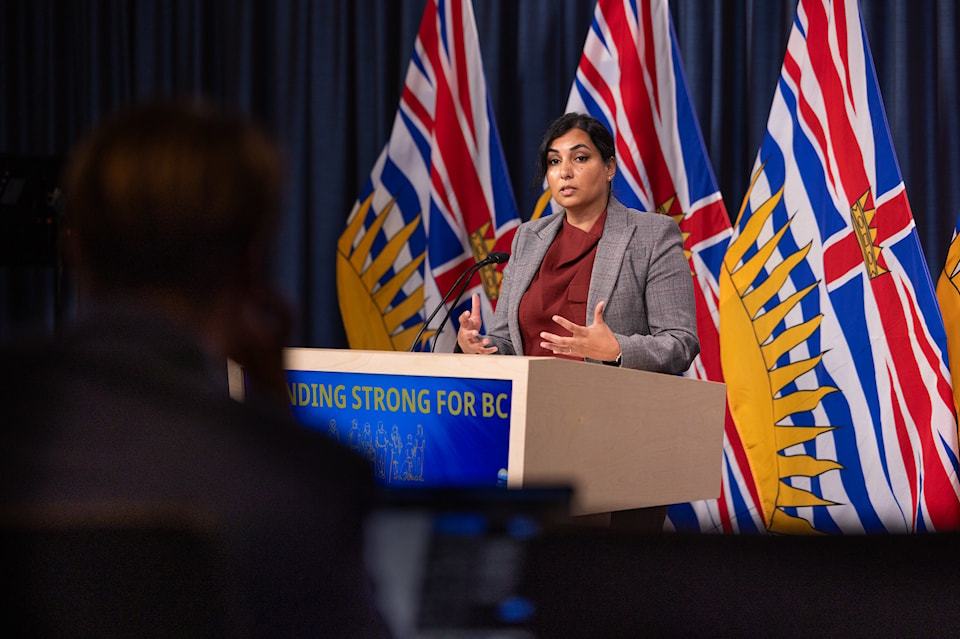
At an October 9 press conference, Attorney General Niki Sharma said the vaping sector “targets young people in specific ways,” including failing to fully disclose product ingredients and the risks of nicotine addiction. “This bill will give the government more direct legal tools to address potential harms in the public-health realm,” she said.
Modeled on Tobacco and Opioid Suits
Sharma noted the bill mirrors laws that previously allowed governments to seek recovery of public-health costs from tobacco and opioid manufacturers. “We want a framework that lets the government launch similar class actions—or join related cases in other jurisdictions.”
If adopted, it would be the first law explicitly holding the vaping industry to account for public-health impacts. It would not automatically penalize companies; the government would still need to bring suit.
Forthcoming Legislative Agenda
B.C. also plans to introduce another bill in the spring session addressing environmental and health liabilities for manufacturers of PFAS (“forever chemicals”).
Sharma highlighted mounting health controversies among certain occupational groups—particularly firefighters—and noted multiple lawsuits are underway.
Damages Benchmarks & Industry Fallout
It remains unclear whether vaping companies could absorb large judgments. As a party to past tobacco litigation, B.C. is set to receive C$3.6 billion over 18 years from a settlement totaling C$32.5 billion. Opioid-related cases are ongoing.
Rob Cunningham of the Canadian Cancer Society pointed out that several U.S. cases involving Juul have settled, and a proposed class action is before the Supreme Court of British Columbia. He warned that “vaping is becoming a primary gateway to nicotine dependence among youth,” while long-term health effects remain uncertain.
“Evidence on the harms of smoking took decades to establish; research on vaping could take at least 25 years,” Cunningham said. “But if this bill passes, it may change corporate marketing behavior in the meantime.”
Policy Extensions & Regulatory Trends
Beyond legislation, B.C. is expanding youth vaping-prevention education. Some public-health groups are urging the province to raise the legal purchase age for vaping products to 21 and to ban flavored products.
The bill’s progress could become a landmark in North American regulation of vaping marketing and public-health accountability, with knock-on effects for global compliance standards in novel nicotine products.
Cover image caption: B.C. Attorney General Niki Sharma, photographed Wednesday, October 8, 2025. Source: Flickr / Government of British Columbia.
We welcome news tips, article submissions, interview requests, or comments on this piece.
Please contact us at info@2firsts.com, or reach out to Alan Zhao, CEO of 2Firsts, on LinkedIn
Notice
1. This article is intended solely for professional research purposes related to industry, technology, and policy. Any references to brands or products are made purely for objective description and do not constitute any form of endorsement, recommendation, or promotion by 2Firsts.
2. The use of nicotine-containing products — including, but not limited to, cigarettes, e-cigarettes, nicotine pouchand heated tobacco products — carries significant health risks. Users are responsible for complying with all applicable laws and regulations in their respective jurisdictions.
3. This article is not intended to serve as the basis for any investment decisions or financial advice. 2Firsts assumes no direct or indirect liability for any inaccuracies or errors in the content.
4. Access to this article is strictly prohibited for individuals below the legal age in their jurisdiction.
Copyright
This article is either an original work created by 2Firsts or a reproduction from third-party sources with proper attribution. All copyrights and usage rights belong to 2Firsts or the original content provider. Unauthorized reproduction, distribution, or any other form of unauthorized use by any individual or organization is strictly prohibited. Violators will be held legally accountable.
For copyright-related inquiries, please contact: info@2firsts.com
AI Assistance Disclaimer
This article may have been enhanced using AI tools to improve translation and editorial efficiency. However, due to technical limitations, inaccuracies may occur. Readers are encouraged to refer to the cited sources for the most accurate information.
We welcome any corrections or feedback. Please contact us at: info@2firsts.com